Lice are a type of parasite that live off blood to survive. You can find them in hair, on the body, or in the pubic area. Each of these locations attract different types of lice: head lice, body lice, or pubic lice, and different lice require different types of treatment. Learn what kind of lice you have so you can get the right lice treatment without wasting time or energy.
The Differences Between Body Lice, Head Lice, and Pubic Lice
| Body Lice | Head Lice | Pubic Lice | |
| Species | Pediculus humanus corporis | Pediculus humanus capitis | Pthirus pubis |
| Species | Itching, rash, sores from scratching, nits or lice in clothing or linens | Itching on the scalp or head, tickling sensation in the hair, trouble sleeping, sores from scratching, black dots on the scalp, nits or lice on the scalp | Itching in the pubic area, changes in skin color around the bites, sores from scratching, nits or lice in your pubic hair |
| Area(s) | In the seams of clothing, linens, towels, or bedding; waist, groin, thighs, and other areas where clothing is fitted against skin | Hair close to the scalp and behind the ears, eyebrows, eyelashes | Genitals and other areas where you have coarse hair, such as your armpits, beard, or chest |
| Treatment | Topical corticosteroids or oral antihistamines for itching; antibiotics for secondary skin infections | Medicated shampoos, creams, and lotions (e.g. spinosad, ivermectin, malathion) | Medicated lotion or cream (e.g. permethrin, malathion) |
What Are Body Lice?

Body lice (Pediculus humanus corporis) are about the size of a sesame seed and need human blood to survive, just like head lice. However, they differ from head lice and pubic lice in that they lay eggs in clothing and linens rather than in hair. You’ll usually only see them on your skin when they’re actively feeding. Otherwise, they tend to live in the seams of your clothes, bedding, towels, and other linens.
It’s possible to find a head louse on your body, but that doesn’t make it a body louse. Body and head lice are different species. However, they are similar in size and appearance. The nits (lice eggs) are oval and yellow or white. Nymph (young lice) are smaller than adult lice and can be tan or gray in color.
Body lice spread one of two ways: through direct contact with another person who has body lice, or through contact with infested clothing, beds, or linens. This condition tends to affect underserved populations more than others. They’re most common on people who cannot bathe or wash their clothes regularly, especially in unsanitary or crowded conditions such as:
- Encampments or shelters
- Prisons
- Crowded housing with shared linens
Body Lice Symptoms
The most common symptom of body lice is itching, which is caused by body lice bites. Body lice can bite up to 5 times per day, and some people may also develop a rash as an allergic reaction to body lice bites. If you scratch the bites, you may cause a sore which can become infected. If left untreated, heavily bitten areas of skin can thicken and change color.
Because body lice are so small, you may notice the itching before you see them crawling on your clothing, linens, or skin.
How To Get Rid of Body Lice
Pediculicide (lice killing medicines) are usually not necessary to get rid of body lice. The recommended treatment is improving personal hygiene and thoroughly cleaning any infested clothing or linens.
If you have body lice, make sure to wash any clothing, bedding, towels, or linens you’ve touched with hot water (130°F or higher) and machine dry using the hottest setting. If you have any items that cannot be machine washed, take them to a professional dry cleaner or seal the linens in an airtight bag for at least 2 weeks to allow lice and lice eggs to die off.
Your healthcare provider may also recommend a topical corticosteroid (like hydrocortisone) or oral antihistamine to help alleviate itching. If you developed a secondary skin infection from scratching your bites, your provider may also prescribe an antibiotic. Overall, by washing yourself, your linens, and your clothing regularly, you can prevent a body lice infestation.
What Is Head Lice?
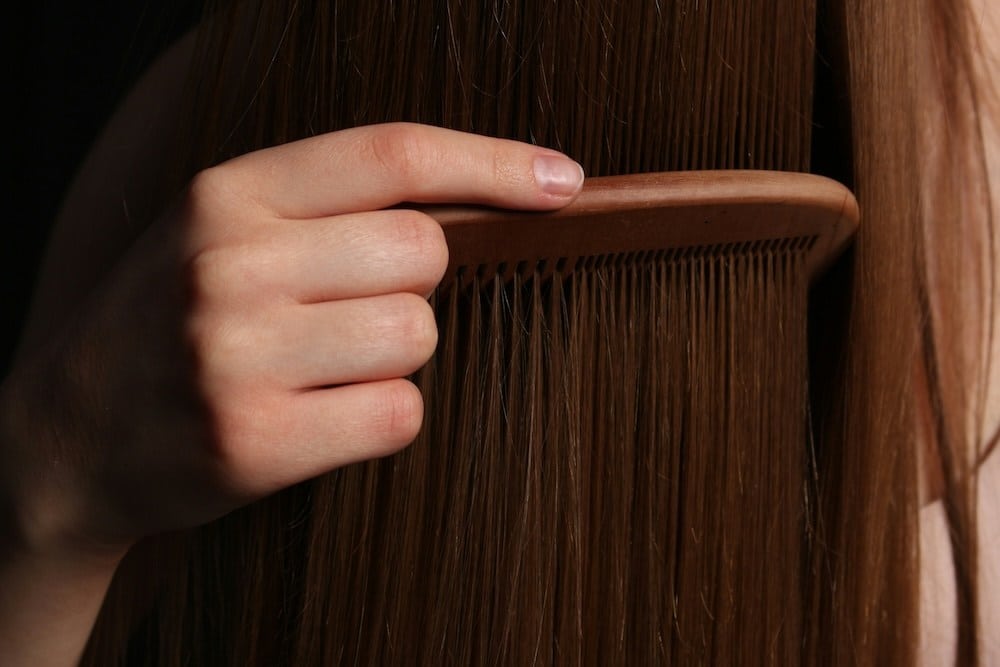
Head lice (Pediculus humanus capitis) live on your head. Adult head lice resemble a gray or tan sesame seed. They lay their eggs (nits) on the shafts of hair close to the scalp. You might find head lice near your neckline, behind the ears, or on your eyelashes or eyebrows.
Head lice are a different species from body lice. You generally don’t find body lice on your head because they live in clothing and linens. Also unlike body lice, personal hygiene generally does not impact your likelihood of getting head lice.
Head lice mostly spreads from close head-to-head contact. Although head lice are stereotypically associated with children, you can get head lice at any age by using items that were recently used by someone with a head lice infestation, such as:
- Clothing, including hats and scarves
- Hair tools and decorations, including combs, brushes, and ties
- Linens, including towels
- Furniture, including beds and sofas
- Home decor, including rugs and pillows
Head Lice Symptoms
Head lice bites look like small red bumps or pimples, but it can take up to 4 to 6 weeks for symptoms like itching to appear with head lice. The most common symptoms of head lice include:
- Itching on the scalp or head
- Tickling sensation in the hair
- Feeling of something being in your hair
- Trouble sleeping
- Sores from scratching head lice bites on the neck or scalp
If you comb through your hair with a fine-toothed comb, you might see adult lice crawling on the comb. You might also see lice feces on your scalp, which resemble black dots, or their nits, which can look like dandruff.
What Kills Head Lice?
Head lice treatments include medicated shampoos, creams, and lotions. The most common treatments are spinosad, ivermectin, and malathion. Instructions for use can vary by product, but generally the medication is applied to your head and left on for a while before rinsing it out. If you have head lice, your provider may prescribe treatment for both you and your household members because lice can spread in shared homes quickly. It’s also recommended to:
- Wash any used clothes, bedding, and towels with hot water and dry them on the hottest setting.
- Professionally dry clean any linens that can’t be washed, or seal them in an airtight plastic bag for at least 2 weeks for the lice and nits to die off.
- Soak any used combs or brushes in hot water for 10 minutes.
- Vacuum the floor and any furniture you sat on.
- Use a specialized nit comb to remove any lice or nits from your hair for up to 3 weeks.
What Are Pubic Lice?
Pubic lice (Pthirus pubis) generally infest the hair around your genitals. You might also find them in other parts of your body with coarser hair, such as your armpits, beard, chest, and anus. Pubic lice resemble crabs, earning them the colloquial nickname “crabs.” They are smaller than head and body lice, about the size of a pencil tip.
Around 2% of adults worldwide get pubic lice. They’re mostly spread through sexual activity, although it’s possible to get pubic lice by using the same bedding or clothing as an infected person. They are not considered a sexually transmitted infection (STI) and do not transmit disease, but infestations should still be dealt with to eliminate discomfort.
Pubic Lice Symptoms
Pubic lice bites are small red bumps that appear on your groin, genitals, or inner thighs. Common symptoms of pubic lice include:
- Intense itching in your pubic hair area, which gets worse at night
- Changes in skin color (e.g. blue-gray, red) in the area around the bites
- Sores in your genital area from scratching the bites
- Nits or lice in your pubic hair
Pubic Lice Treatment
Permethrin 1% cream is the first-line treatment for pubic lice. It is applied once on the affected area, left on for 5 to 10 minutes, then rinsed off. Patients then comb through their pubic hair with a specialized comb to remove any nits. Malathion lotion is another common option for treating pubic lice.
Sexual partners should also be treated at the same time due to the high risk of cross-infestation. It’s also recommended to wash and dry all your clothes, bedding, and linens on the hottest cycle. For anything that cannot be machine washed, you can get it professionally dry cleaned or seal it in an airtight plastic bag for 2 weeks to allow the lice and eggs to die off.
FAQs About Lice
Do black people get head lice?
Yes, anyone with hair on their head can get head lice, regardless of their skin color or hair texture.
Can dogs and cats get head lice?
No. They can get dog or cat lice, but not human head lice. Dogs, cats, and other animals cannot spread lice to their human owners.
What are black dots on the scalp with head lice?
If you see black dots on the scalp with head lice, it’s likely lice droppings or feces.
Does mayonnaise kill head lice?
No, only a pediculicide (lice-killing medicine) can kill head lice. Mayonnaise, olive oil, butter, and other dressings do not treat head lice.
Can you use permethrin 5% cream to kill lice?
Permethrin 5% cream is used to treat scabies, while the permethrin 1% lotion is used to kill lice. The thinner consistency of the 1% lotion makes it more effective at treating large areas like the scalp.
Does hair dye kill head lice?
No, but it might change their color. Only medicated shampoos and lotions can kill head lice. Pediculicides (lice-killing medicines) are available by prescription and over the counter.
What does head lice look like?
Adult head lice are tiny, flat insects about the size of a sesame seed. They have six legs and are gray or tan. Nymphs (baby lice) are smaller in size, while the nits (eggs) may look like a flake of dandruff.
Can body lice lay eggs on human body hair?
No, body lice live and lay eggs on clothing, bedding, linens, and towels.
Your Next Steps
Dealing with lice can be an uncomfortable and itchy experience, but understanding the type of infestation you have is the first step toward relief. While body, head, and pubic lice all feed on human blood to survive, they are distinct species that inhabit completely different areas.
Treatment methods vary depending on the species. Body lice can often be cleared by improving personal hygiene and thoroughly washing infested clothing and linens in hot water. Meanwhile, head and pubic lice typically require medicated shampoos or creams to clear infestations. By following the correct treatment protocol and ensuring your clothing and environment are properly cleaned, you can successfully eliminate a lice infestation and prevent it from spreading.
Article Research, References, & Sources
Centers for Disease Control and Prevention (CDC). (2024). About Head Lice. https://www.cdc.gov/lice/about/head-lice.html
Centers for Disease Control and Prevention (CDC). (2024). About Body Lice. https://www.cdc.gov/lice/about/body-lice.html
Centers for Disease Control and Prevention (CDC). (2024). About Pubic “Crab” Lice. https://www.cdc.gov/lice/about/pubic-lice.html
Centers for Disease Control and Prevention (CDC). (2024). Treatment of Head Lice. https://www.cdc.gov/lice/treatment/index.html
Fu, Y., Yao, C., Deng, Y., Elsheikha, H. M., Shao, R., Zhu, X., & Liu, G. (2022). Human pediculosis, a global public health problem. Infectious Diseases of Poverty, 11(1), 58. https://doi.org/10.1186/s40249-022-00986-w
MedlinePlus. (2023). Body Lice. https://medlineplus.gov/bodylice.html
MedlinePlus. (2025). Head Lice. https://medlineplus.gov/headlice.html
MedlinePlus. (2024). Pubic lice. https://medlineplus.gov/ency/article/000841.htm
Powers, J., Badri, T., & Syed, H. A. (2024). Pediculosis corporis. StatPearls – NCBI Bookshelf. https://www.ncbi.nlm.nih.gov/books/NBK482148/
Our experts

Written by
Amelia Willson is a freelance health writer with more than a decade of experience covering sleep health, sexual health, mental health, weight loss, and plant-based nutrition. In addition to TelyRx, her writing has been featured on Ro, Sleep Foundation, Klarity Health, SeniorAdvisor, and K Health.

Reviewed by
Dora Rebelo, RPh
Dora Rebelo is a compassionate, detail-oriented, and experienced pharmacist with more than 30 years of expertise delivering exceptional pharmaceutical care. As a clinical pharmacist at TelyRx, Dora reviews prescriptions and over-the-counter medication requests and helps ensure safe, appropriate, and effective patient care.
This blog post is for informational purposes only and does not constitute medical advice, diagnosis, or treatment. The content provided here is not a substitute for professional medical advice, consultation, or care from a qualified healthcare provider. Always seek the guidance of your physician or another licensed health professional with any questions you may have regarding a medical condition or treatment. Do not disregard or delay seeking professional medical advice based on information read on this site. Learn more about our editorial standards.