

How It Works
Metronidazole’s anti-inflammatory agent reduces the redness and swelling associated with rosacea flare-ups. Its antimicrobial properties kill the skin-surface bacteria that contribute to rosacea symptoms.
| Quick Facts | |
|---|---|
| Common Brands | MetroCream, MetroGel, MetroLotion, Noritate |
| Drug Class | Nitroimidazole |
| Generic Status | Generic for MetroCream, MetroGel, MetroLotion, Noritate |
| Availability | Prescription only |
Dosing
Clean and dry your skin before applying the metronidazole topical gel or cream. The topical metronidazole is applied in a thin layer directly to the affected areas of the skin. It may be applied once or twice daily, depending on your healthcare provider’s instructions.
Note: Dosing information is educational only. Your prescribing physician will determine your specific dose based on your individual health needs. Always follow your healthcare provider’s instructions for exact dosing.
Uses
FDA-Approved Uses
Metronidazole is FDA-approved to treat rosacea, specifically by reducing inflammatory lesions (papules and pustules) and erythema (redness).
Off-Label Uses
You may see the metronidazole prescribed for uses that are not “FDA-approved.” This is a common and legal practice called “off-label” prescribing, where a doctor uses their clinical judgment to prescribe a drug for a different (but well-researched) purpose.
Metronidazole is a broad-spectrum antimicrobial agent, so providers may prescribe it off label for treating other bacterial skin conditions.
Side Effects
Like all medications, metronidazole can cause side effects. Most common side effects are localized to the area where you apply the metronidazole topical gel or cream. Other side effects may be serious and require medical attention.
Common Side Effects
- Redness
- Irritation
- Burning
- Stinging
- Dryness
- Scaly skin
- Itching
Serious Side Effects
Serious side effects are rare, but it’s important to know what to look for if they do occur. Stop using metronidazole and call your doctor immediately if you experience:
- Severe allergic reactions: Symptoms include swelling of the face, lips, tongue, or throat; difficulty breathing or swallowing; racing heart; severe rash or itching; and/or fever.
- Nerve problems: Metronidazole may cause peripheral neuropathy. Symptoms include pain, burning, tingling, or numbness in the hands or feet.
- Severe skin reactions: Severe skin reactions may occur. Symptoms include rash, blistering, swelling, or itching.
- Eye irritation: Avoid applying topical metronidazole near the eyes. If it comes into contact with your eyes, symptoms like eye redness or increased tear production may occur.
Call your doctor immediately if you experience any concerning or prolonged symptoms.
Pharmacist Tips
Cleanse First
Always wash your hands and clean and dry the affected skin area before applying the medication.
Avoid the Eyes
Great care should be taken to avoid contact with the eyes. If contact occurs, rinse thoroughly with plenty of cool tap water.
Apply Makeup Or Skincare After Applying The Medication
You can continue to use cosmetics and moisturizers. Apply the metronidazole topical first and let it dry completely before layering other products on top.
External Use Only
This medication is for use on the skin only. Do not apply it inside the mouth, eyes, or nose.
Store It At Room Temperature
Store the metronidazole topical at room temperature, between 68°F to 77°F (20°C to 25°C).
Know The Missed Dose Protocol
If you miss a dose of metronidazole, apply it as soon as you remember, unless it is almost time for your next dose. In that case, skip it and apply the next dose at the regular time.
Drug Interactions
Certain medications and substances can interact with metronidazole, potentially altering how it works or increasing the risk of side effects. For example:
- Alcohol: There is a well-known serious interaction between oral metronidazole and alcohol, causing nausea, vomiting, and flushing. While it is unknown if drinking alcohol interacts with topical metronidazole in the same way, or if the amount absorbed through the skin is enough to cause this reaction, it is recommended to be cautious and avoid alcohol.
- Warfarin (Coumadin): Metronidazole can increase the risk of bleeding in patients taking blood thinners like warfarin.
Always give your doctor and pharmacist a complete list of all your medications, vitamins, and supplements to check for potential interactions.
FAQs
Why does my doctor warn me about drinking alcohol even though this is topical?
Oral metronidazole has a severe interaction with alcohol, causing vomiting and flushing. While it is unknown if drinking alcohol will interact with topical metronidazole in the same way, some of the drug may be absorbed through the skin. Providers may recommend avoiding alcohol while using the topical to exercise caution.
Can I put moisturizer or makeup over metronidazole gel?
Yes. Cleanse the affected area, apply the metronidazole, and wait for it to dry. Once the area is fully dry, you can apply cosmetics or moisturizers over it.
What is the difference between the gel, cream, and lotion forms?
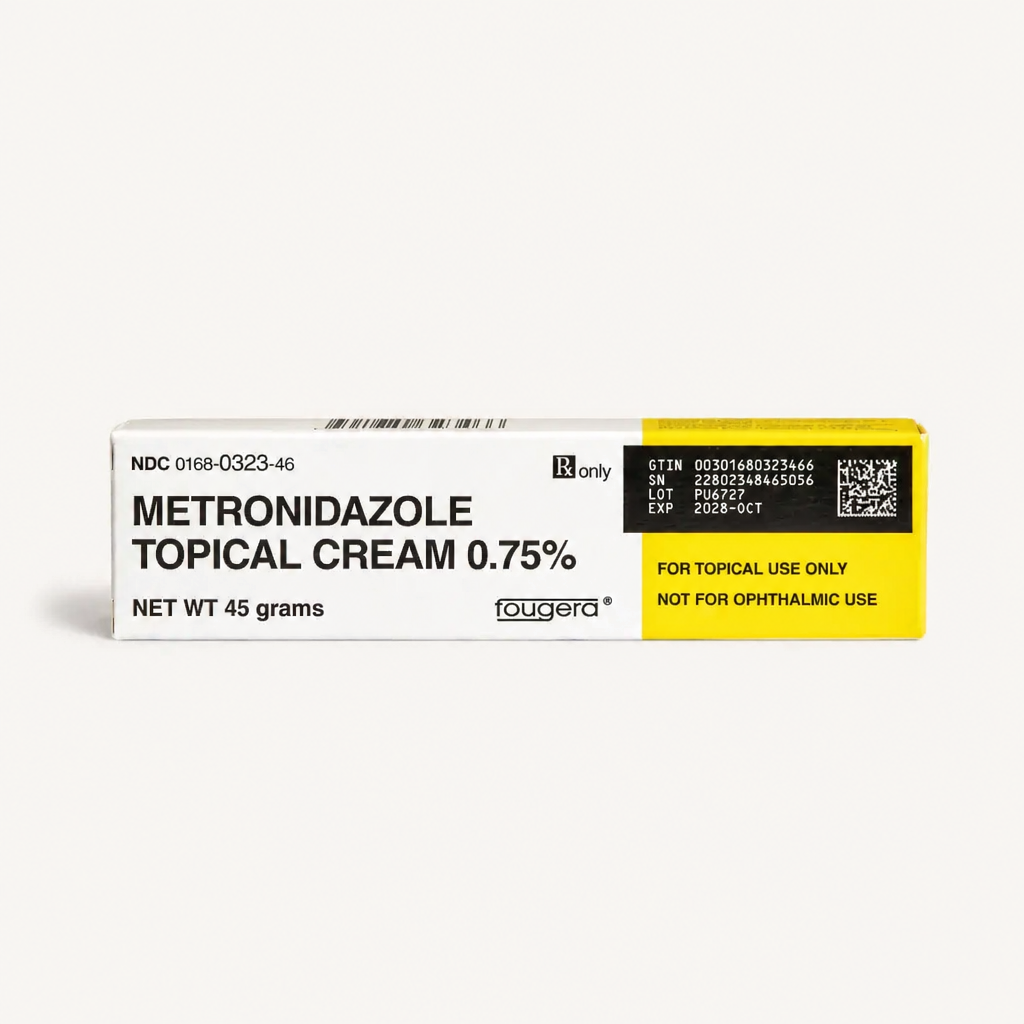
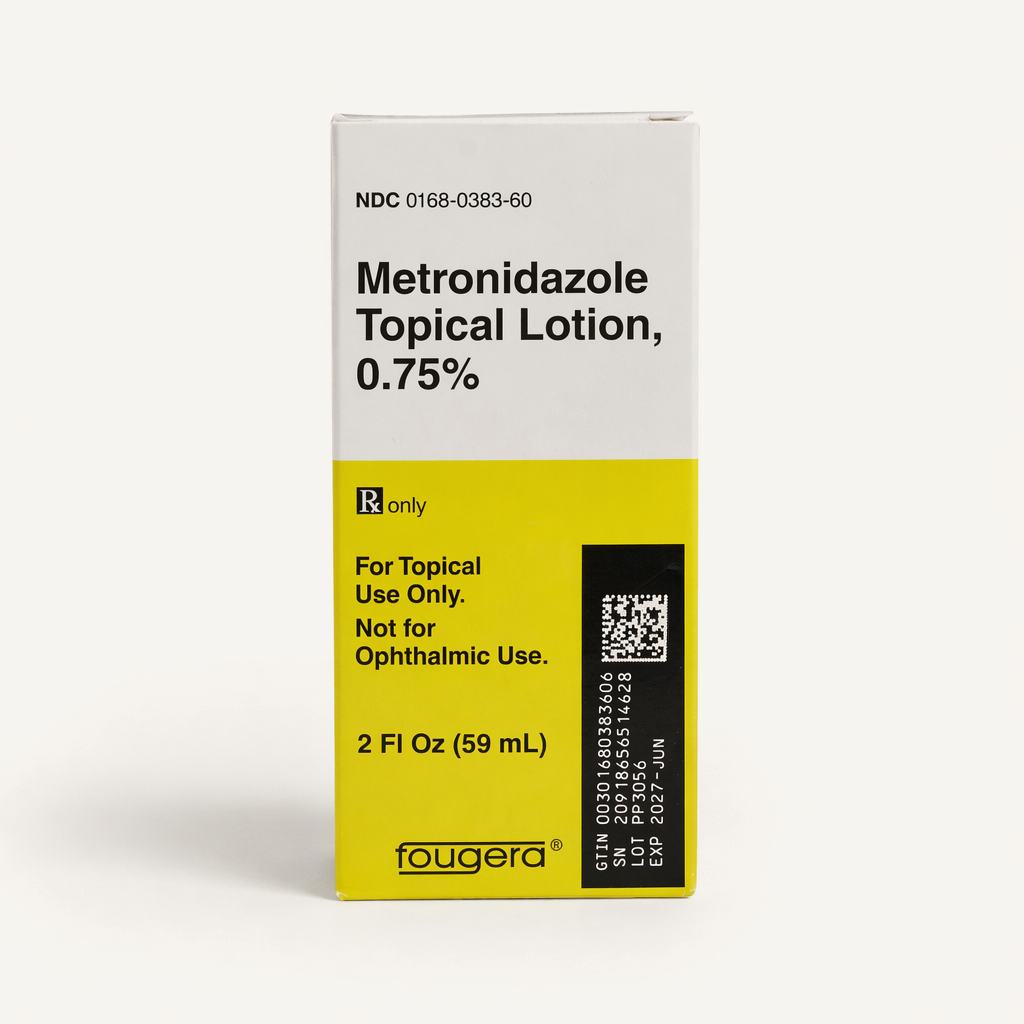
These are different forms of the same medication. Your provider may prescribe one or the other depending on your skin type. Creams are often more moisturizing, while gels may be drying. Metronidazole is available in 0.75% strength (cream, gel, lotion) and 1% strength (cream, gel).
Does metronidazole topical treat acne or just rosacea?
Topical metronidazole is used for the treatment of inflammatory lesions (bumps) and redness associated with rosacea. While it has antimicrobial properties, it is not FDA-approved for treating acne.
Can I use this medication if I am pregnant or breastfeeding?
It is not known if topical metronidazole harms an unborn baby or passes into breast milk. Tell your healthcare provider if you are pregnant, planning to become pregnant, or breastfeeding so they can determine if it is safe for you.
How long does it take to see results for rosacea redness and bumps?
Visible improvement is commonly seen within 3 to 6 weeks of consistent daily use.
Can I use salicylic acid or benzoyl peroxide cleansers with this medication?
Discuss your skincare routine with your doctor prior to taking metronidazole. Topical metronidazole can cause skin dryness and irritation. Combining it with other potentially irritating or drying cleansers might worsen these side effects.
Is this the same medication used for bacterial vaginosis (BV)?
The active ingredient, metronidazole, is the same, but the form is different. BV is typically treated with oral tablets or a vaginal gel. Topical metronidazole is used for rosacea affecting facial skin.
Does metronidazole help with the “flushing” or redness part of rosacea?
Yes, it is indicated to treat both the erythema (redness) and inflammatory lesions (papules and pustules) of rosacea.
Is it safe to use this medication long term?
Rosacea is a long-term condition. Continued application of topical metronidazole is typically recommended to maintain results.
Why is there a “wait time” before applying other products?
The wait time helps ensure the medication has been absorbed by the skin. The guidance is to cleanse and dry the skin, apply the medicine, and let it dry before applying makeup and other skincare products.
Does this medication thin the skin like steroids do?
Skin thinning is not listed as a side effect for topical metronidazole.
Comparable Medications
Metronidazole Topical, MetroGel (1%), MetroCream (0.75%), MetroLotion (0.75%), Azelaic Acid (Finacea), Ivermectin (Soolantra), Sodium Sulfacetamide/Sulfur (Plexion), or Doxycycline (Oracea)?
There are several medications that your doctor can prescribe in place of metronidazole. Here are a few possible alternatives below.
Metronidazole Topical
From $49.99
Also known as the following brand names: MetroGel (1%), MetroCream (0.75%), and MetroLotion (0.75%). These are brand-name formulations of metronidazole used for rosacea.
Azelaic Acid
From $89.99
Also known as the brand name Finacea, this is a topical foam and gel used to treat rosacea.
Ivermectin Cream
From $199.99
Also known as the brand name Soolantra, this is a topical cream used to treat rosacea.
Sodium sulfacetamide/sulfur (Plexion)
A topical cream used to treat rosacea, acne, and dermatitis affecting the scalp.
Doxycycline IR-DR Capsules
From $229.99
Also known as the brand name Oracea, this is an oral medication used to treat rosacea.
We Have Metronidazole Topical in Stock. Get Yours Today!
Important: Information on this page is for educational purposes only. Prescribing decisions are made by independent, licensed providers. TelyRx operates technology-enabled pharmacies and a telehealth platform that connects patients with licensed providers. Prescriptions, when provider-approved and issued, are filled and shipped by TelyRx-affiliated pharmacies. We do not employ physicians or make prescribing decisions. Learn more about our editorial standards here.