

How It Works
It’s not exactly understood how ciclopirox works, but it appears to disrupt the integrity of the fungal cell membrane, which prevents the fungus from growing.
| Quick Facts | |
|---|---|
| Common Brands | Loprox, Penlac |
| Drug Class | Topical Antifungal |
| Generic Status | Generic for Loprox, Penlac |
| Availability | Prescription only |
Dosing
The application of ciclopirox depends on the form you’re prescribed.
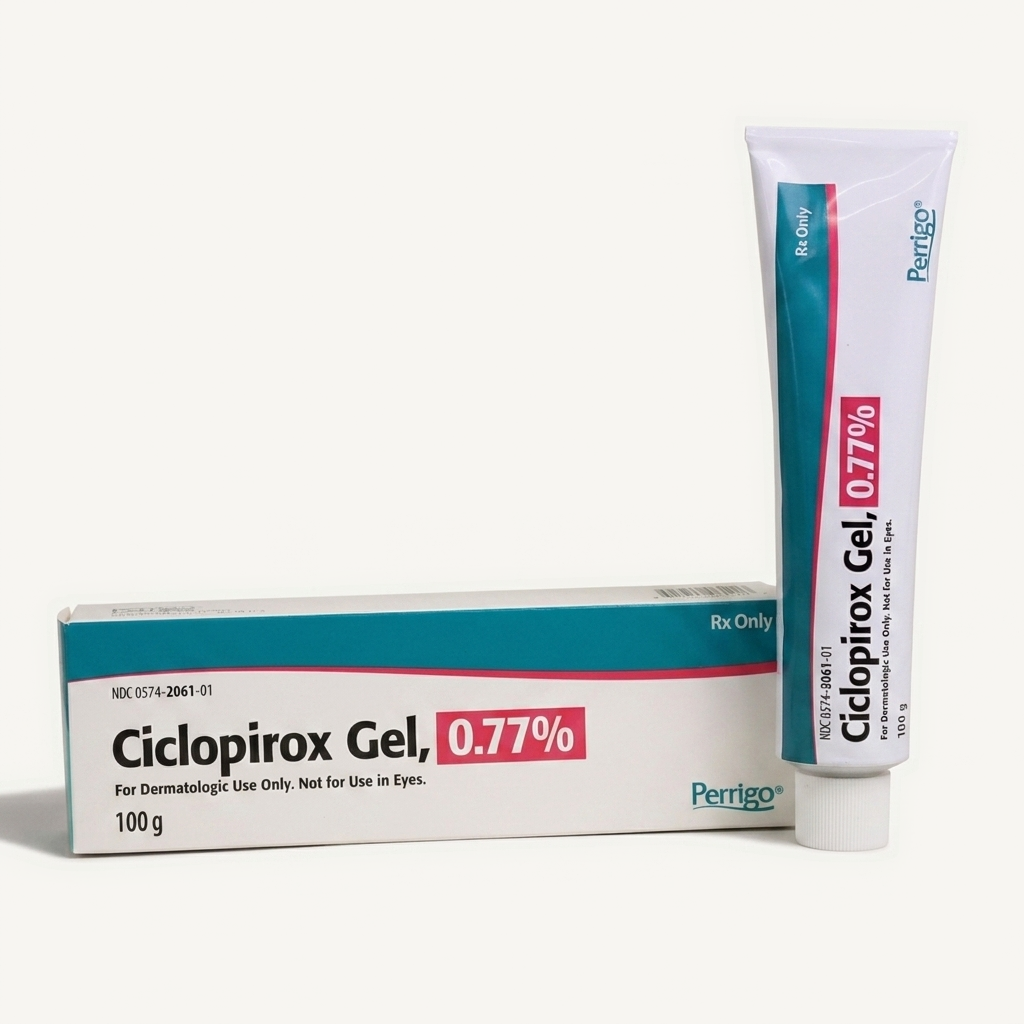
- Cream, gel, and suspension: When treating skin infections, it’s recommended to gently massage a thin layer of the medication into the affected area and surrounding skin twice daily, once in the morning and once at night. If using the suspension (lotion) form, shake the bottle well before each use to ensure the medication is mixed properly.
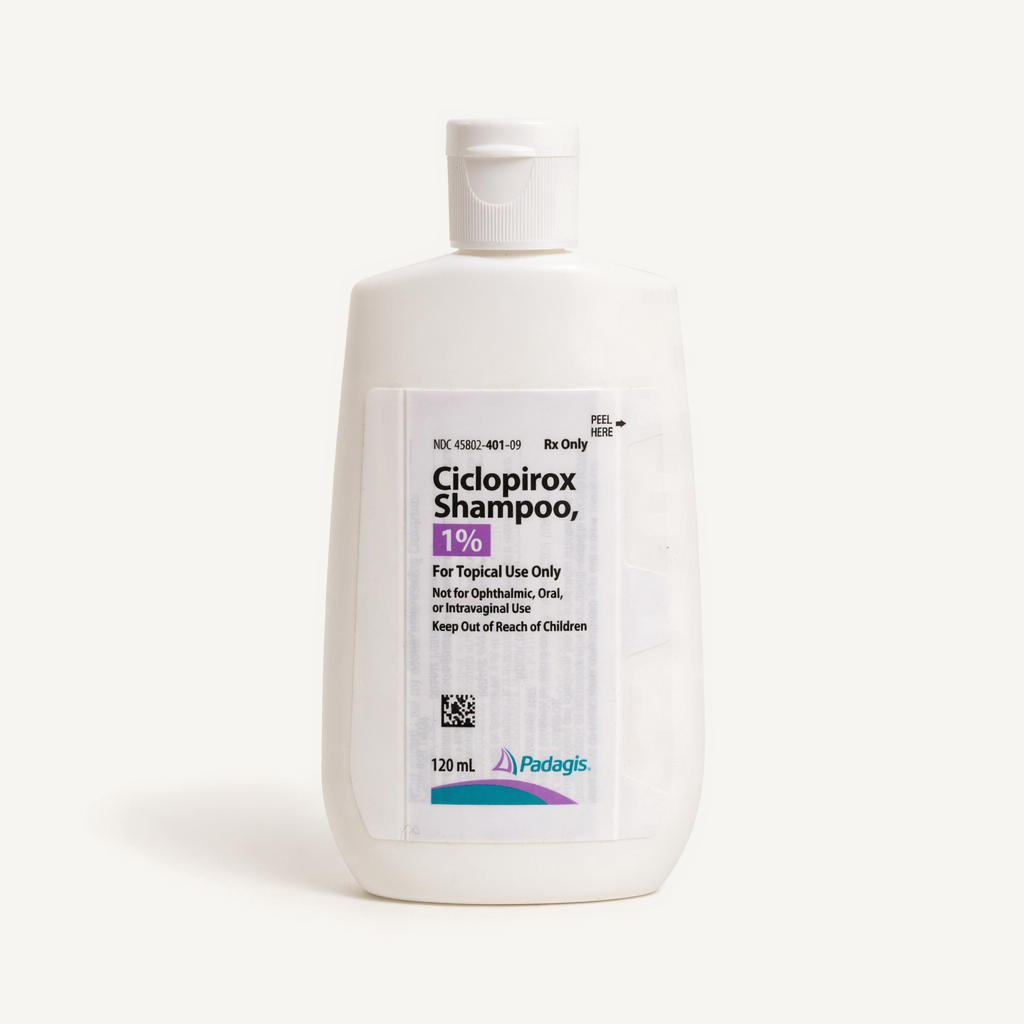
- Shampoo: When treating seborrheic dermatitis of the scalp, wet your hair and apply 5 mL to 10 mL to the scalp. Gently massage it in and leave it for three minutes before rinsing thoroughly. It’s recommended to use the shampoo twice a week for four weeks, with at least three days between each application.
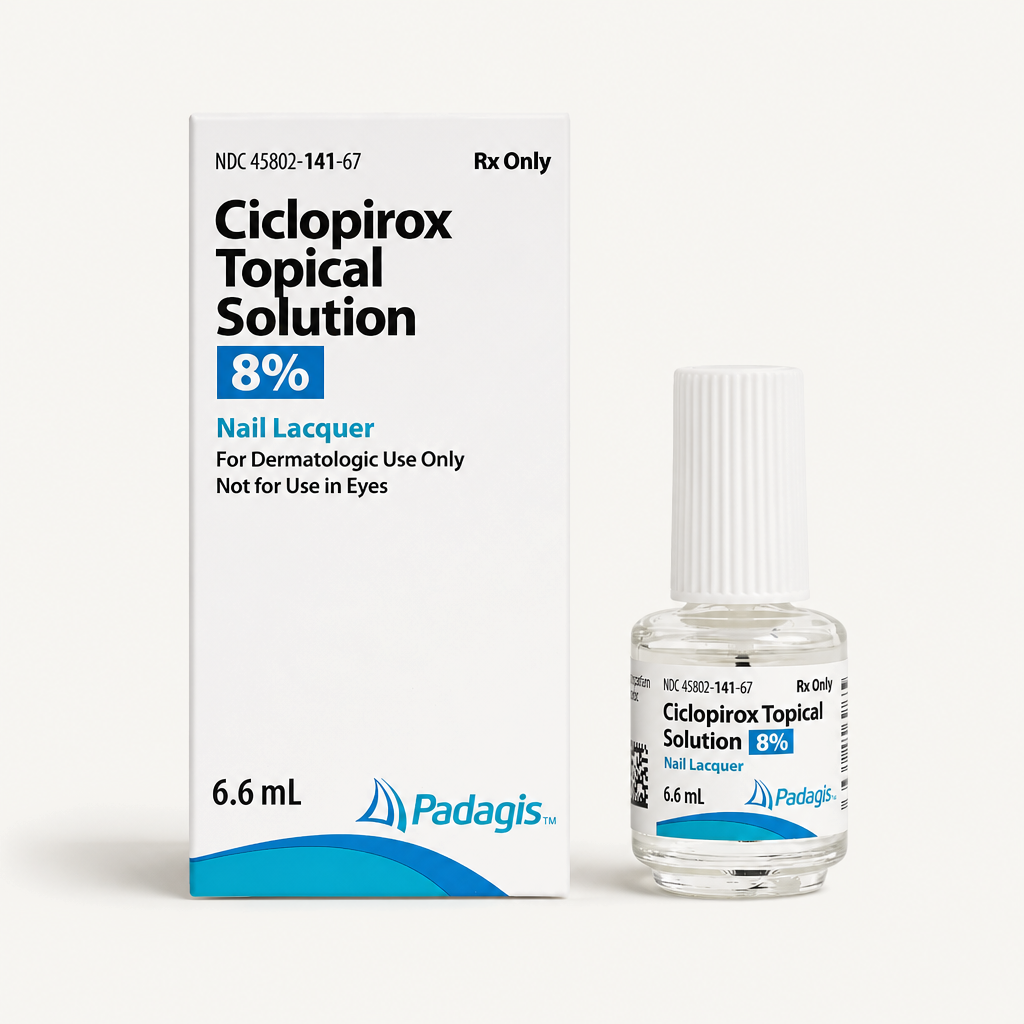
- Nail lacquer: When treating fungal nail infections, it’s recommended to apply the nail lacquer once daily at bedtime to all affected nails. The application should cover the entire nail plate, the nail bed, the skin underneath the tip of the nail, and a small amount of the surrounding skin. Let the lacquer dry for about 30 seconds before putting on socks or footwear. Apply a new coat over the previous one each day. Once a week, you can remove the build-up using rubbing alcohol.
Note: Dosing information is educational only. Your prescribing physician will determine your specific dose based on your individual health needs. Always follow your healthcare provider’s instructions for exact dosing.
Uses
FDA-Approved Uses
Ciclopirox is FDA-approved to treat various fungal infections affecting the skin, scalp, and nails, such as:
- Athlete’s foot (tinea pedis)
- Jock itch (tinea cruris)
- Ringworm (tinea corporis)
- Yeast infections of the skin (candidiasis)
- Patchy skin rash (tinea versicolor)
- Seborrheic dermatitis of the scalp
- Fungal nail infections (onychomycosis)
Off-Label Uses
You may see ciclopirox prescribed for uses that are not “FDA-approved.” This is a very common and legal practice called “off-label” prescribing, where a doctor uses their clinical judgment to prescribe a drug for a different (but well-researched) purpose.
There is currently no off-label usage for ciclopirox.
Side Effects
Like all medications, ciclopirox can cause side effects. The most common are localized skin reactions where you apply the medication. However, other side effects may be serious and require medical attention.
Common Side Effects
- Mild redness or irritation
- Mild burning or itching
- Dry skin
- Acne or rash
- Changes in nail shape, thickness, or color (lacquer only)
- Hair discoloration (shampoo only)
Serious Side Effects
Serious side effects are rare, but it’s important to know what to look for if they do occur. Stop using ciclopirox and call your doctor immediately if you experience:
- Severe allergic reactions: Symptoms include swelling of the face, lips, tongue, or throat; difficulty breathing or swallowing; severe rash or itching; fever.
- Severe skin reactions: Burning, crusting, itching, or peeling of the treated skin.
Call your doctor immediately if you experience any concerning or prolonged symptoms.
Pharmacist Tips
Be Patient
Fungal infections are stubborn. It may take weeks or even months before you notice a significant improvement. Continue the full course of treatment, even if symptoms disappear early, to prevent the infection from returning or becoming resistant.
Keep the Area Clean and Dry
If treating athlete’s foot, keep feet clean and dry. Wearing loose-fitting shoes that allow air circulation can help the infection clear faster.
Wash Hands Before Applying
Wash your hands before and after applying ciclopirox. If treating the hands specifically, only wash them before application.
Avoid Covering the Area
Do not bandage, wrap, or seal the treated area unless specifically instructed by a healthcare provider, as this can alter how the medication is absorbed.
Nail Lacquer Tips
If using the lacquer, wait at least 8 hours after application before taking a shower or bath to allow the medication to penetrate the nail. Do not apply cosmetic nail polish or other nail products while using ciclopirox.
Shampoo Tips
If using the shampoo, be careful to avoid contact with the eyes and mouth. If contact occurs, rinse thoroughly with water.
Storage Tips
It is recommended to store ciclopirox at room temperature (between 68°F and 77°F) in a cool, dry place. Protect the nail lacquer from light by keeping it in its carton after every use.
Missed Doses
If you miss a dose of ciclopirox, take it as soon as you remember, unless it’s almost time for your next dose. In that case, skip the missed dose and take your next dose as scheduled. Don’t double up on doses of ciclopirox.
Drug Interactions
Ciclopirox is not known to interact with foods, drinks, or other medications. However, it’s recommended to avoid using other skin products on the affected area without consulting a care provider first.
Always give your doctor and pharmacist a complete list of all your medications, vitamins, and supplements to check for potential interactions.
FAQs
Why do I have to remove the ciclopirox lacquer with alcohol every 7 days?
The standard dosing protocol for Ciclopirox nail lacquer requires applying a fresh coat over the previous coats daily. You remove the built-up layers once a week with rubbing alcohol to ensure the nail bed is accessible for fresh medication and to allow you to trim the damaged nail material.
Can I wear regular nail polish over ciclopirox nail lacquer?
No. It is recommended to avoid using cosmetic products, such as nail polish, on treated nails while using ciclopirox nail lacquer. Using polish may interfere with the medication’s ability to penetrate the nail and treat the infection effectively.
How long does it take for ciclopirox to cure toenail fungus?
Curing fungal nail infections is a slow process. It can take weeks to months to see improvement. For nail infections, treatment is often continued for many months until the healthy nail has grown out. It is important not to stop early, as the infection can return.
Why do I need to file or trim my nails before applying the lacquer?
Weekly removal of the lacquer is paired with trimming. It’s recommended to trim away as much of the damaged nail as possible with scissors, clippers, or a nail file. This helps remove the infected nail material and aids the medication in reaching the active fungal growth.
Does ciclopirox shampoo help with seborrheic dermatitis (dandruff)?
Yes, the shampoo formulation of ciclopirox is specifically FDA-approved for the treatment of seborrheic dermatitis of the scalp.
Can I apply ciclopirox cream to my face?
Ciclopirox is generally used on the skin, scalp, or nails, but it should be kept away from the eyes and mouth. Follow your provider’s specific instructions on where to apply the cream safely.
Is ciclopirox a steroid?
No, ciclopirox is not a steroid. It belongs to a class of medications called antifungals.
Is ciclopirox safe to use during pregnancy?
It is not currently known if or how ciclopirox could affect pregnancy or harm a fetus. Tell your healthcare provider if you are pregnant or plan to become pregnant so they can determine if ciclopirox is safe for you.
Can I use ciclopirox for ringworm or jock itch?
Yes, ciclopirox is commonly used to treat fungal skin infections including tinea corporis (ringworm) and tinea cruris (jock itch).
Does ciclopirox work on bacterial infections?
No. Ciclopirox treats fungal infections. It will not treat infections caused by bacteria or viruses.
Can I use ciclopirox on healthy nails to prevent infection?
Ciclopirox is a prescription medication intended to treat infections, not prevent them. It should be used for the full course as directed to treat an infection. Do not share it with others or use it without a prescription.
Can ciclopirox treat athlete’s foot between the toes?
Yes, ciclopirox is used to treat tinea pedis (athlete’s foot). When treating athlete’s foot, it is helpful to keep the toes and feet clean and dry and wear breathable footwear.
Does ciclopirox stain clothing or sheets?
Topical ointments and creams can transfer to fabrics and cause stains. Ciclopirox shampoo may change hair color, especially for those with lighter hair.
Can I use ciclopirox lacquer if I have artificial (acrylic) nails?
No, it is recommended to avoid using cosmetic products on the treated nails. This includes products that would cover the nail plate, such as artificial nails or nail polish.
Why is the cure rate for the lacquer lower than oral pills?
Topical treatments like ciclopirox nail lacquer must penetrate the nail plate to reach the fungus, which can be difficult. Ciclopirox might not be the best choice for serious or complicated fungal infections, which can be treated by oral medications instead.
Comparable Medications
Ciclopirox, Efinaconazole (Jublia), Terbinafine (Lamisil), Fluconazole (Diflucan), Ketoconazole (Nizoral), or Clotrimazole (Lotrimin)?
There are several medications that your doctor can prescribe in place of ciclopirox. Here are a few possible alternatives below.
Efinaconazole (Jublia)
A topical antifungal that is used to treat toenail fungal infections (onychomycosis).
Terbinafine
From $57.49
An oral antifungal medication used to treat fungal infections affecting the toenails or fingernails.
Fluconazole
From $24.99
An oral antifungal used to treat yeast infections affecting the vagina, throat, mouth, and other parts of the body.
Ketoconazole
From $39.99
A topical antifungal used to treat ringworm, jock itch, athlete's foot, seborrheic dermatitis, and tinea versicolor, and seborrheic dermatitis, similar to ciclopirox.
Clotrimazole (Lotrimin)
A topical and oral antifungal used to treat yeast infections of the mouth and vagina, and fungal skin infections such as athlete's foot, jock itch, ringworm, tinea versicolor, intertrigo, and erythrasma.
We Have Ciclopirox in Stock. Get Yours Today!
Important: Information on this page is for educational purposes only. Prescribing decisions are made by independent, licensed providers. TelyRx operates technology-enabled pharmacies and a telehealth platform that connects patients with licensed providers. Prescriptions, when provider-approved and issued, are filled and shipped by TelyRx-affiliated pharmacies. We do not employ physicians or make prescribing decisions. Learn more about our editorial standards here.