How It Works
Chlorhexidine oral rinse works by targeting bacteria in the mouth. Chlorhexidine molecules are positively charged, whereas the walls of bacterial cells are negatively charged. Because the two have opposite charges, they are attracted to each other. This attraction weakens the bacterial cell wall, causing it to break down. As a result, the contents of the bacteria leak out, leading to the death of the bacterial cell.
Chlorhexidine’s antiseptic mechanism covers a wide spectrum of bacteria, as well as certain fungi and viruses. It can kill germs in the mouth for several hours after you spit it out, creating a long-lasting “shield” for your gums.
| Quick Facts | |
|---|---|
| Common Brands | Peridex, Periogard, Paorex |
| Drug Class | Antimicrobial / Antiseptic Oral Rinse |
| Generic Status | Generic for Peridex, Periogard |
| Availability | Prescription only |
Dosing
In order for chlorhexidine oral rinse to be effective, it is recommended to carefully follow the instructions.
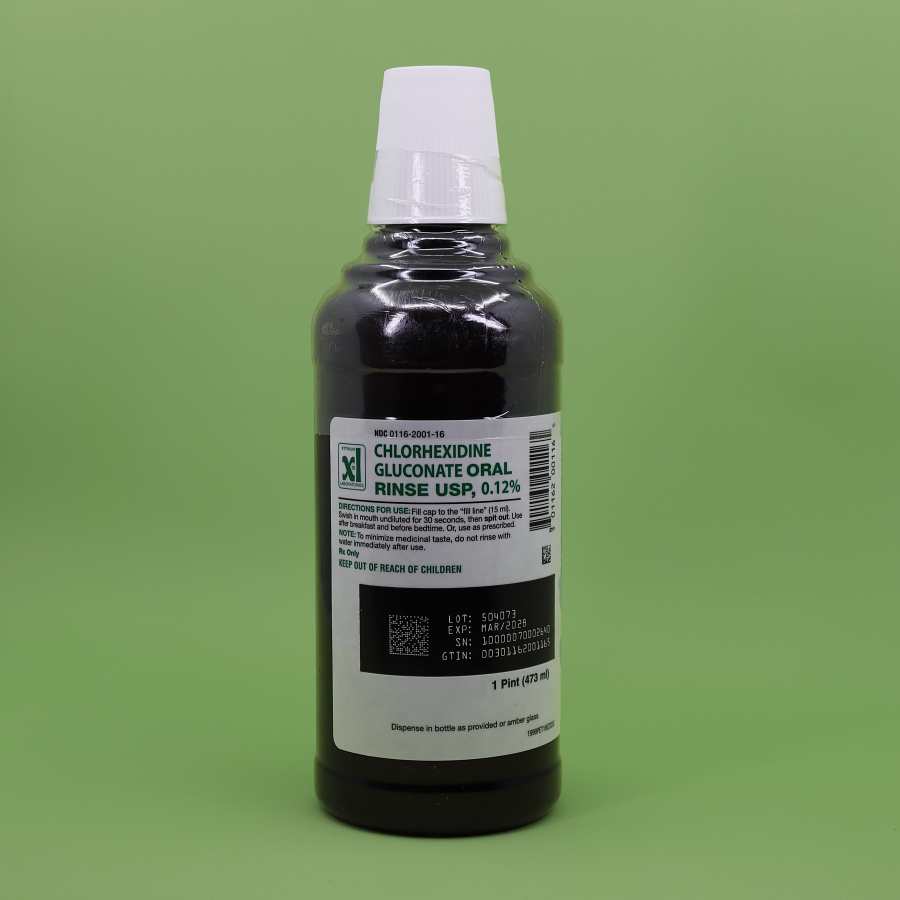
- Standard dose: A standard dose of chlorhexidine oral rinse consists of 15 milliliters (mL), which is marked by the fill line on the cap.
- Frequency: It is recommended to use the oral rinse twice daily, first in the morning and second at night before bed.
- Use: It is advised to swish the oral rinse in your mouth for about 30 seconds before spitting it out. This ensures the medicine reaches all areas of your gums.
- Wait period: Per standard guidelines, you should wait 30 to 60 minutes after using the oral rinse before eating, drinking, or swishing water in your mouth. This allows the medication sufficient time to bind to your oral tissues.
Note: Dosing information is educational only. Your prescribing physician will determine your specific dose based on your individual health needs. Always follow your healthcare provider’s instructions for exact dosing.
Uses
FDA-Approved Uses
Chlorhexidine oral rinse is FDA-approved to treat gingivitis by managing bacterial load. The rinse is indicated for use between dental visits as part of a professional program for the treatment of gingivitis -related inflammation and bleeding.
Off-Label Uses
You may see chlorhexidine rinse prescribed for uses that are not “FDA-approved.” This is a very common and legal practice called “off-label” prescribing, where a doctor uses their clinical judgment to prescribe a drug for a different (but well-researched) purpose.
Common off-label uses for chlorhexidine oral rinse currently found in clinical practice and research include:
- Post-surgical care: Dentists frequently use or recommend chlorhexidine oral rinse to act as an antiseptic in the mouth following tooth extractions or dental implant placement.
- Oral mucositis: Chlorhexidine oral rinse may be recommended for people undergoing chemotherapy who develop oral mucositis, a condition characterized by painful mouth sores.
- Aphthous ulcers: Chlorhexidine can help prevent bacterial infections for people who develop severe aphthous ulcers, also known as canker sores.
- Denture stomatitis: Dentists may prescribe chlorhexidine off-label to treat dental stomatitis, a condition that occurs due to yeast or bacteria and causes inflammation in the oral tissue adjacent to dentures.
Get Savings Updates for Chlorhexidine Oral Rinse
Join our mailing list for exclusive deals and more.
Side Effects
Chlorhexidine is considered effective for treating gingivitis, but the oral rinse is known to produce some localized side effects.
Common Side Effects
- Tooth staining
- Alteration in taste
- Increased tartar buildup
- Mouth irritation
Serious Side Effects
Serious side effects are rare, but it’s important to know what to look for if they do occur. Serious side effects that can occur from using chlorhexidine oral rinse include:
- Swelling of salivary glands: While rare, the parotid glands near the ears may become swollen or tender after the patient uses chlorhexidine oral rinse.
- Severe oral ulceration: The oral rinse may cause significant pain or extensive mouth sores that do not resolve.
- Severe allergic reaction: As with most types of medication, chlorhexidine oral rinse may trigger anaphylaxis for people who are allergic to one or more of its ingredients.
Call your doctor immediately if you experience any concerning or prolonged symptoms.
Pharmacist Tips
Follow the 30-Second Rule
Standard guidelines for using chlorhexidine oral rinse recommend swishing for at least 30 seconds, then spitting.
Wait to Rinse
It is not recommended to use chlorhexidine oral rinse until 30 to 60 minutes after brushing your teeth. Many toothpastes contain sodium lauryl sulfate, a compound that can neutralize chlorhexidine.
Avoid Swallowing
Chlorhexidine is designed for topical use. While swallowing small amounts is considered generally harmless, a full dose may upset the stomach and cause gastrointestinal issues.
Short-Term Use
Unless otherwise instructed by your dentist, the rinse is intended for a period of 2 to 6 weeks. Use beyond 6 months has been linked to long-term staining and alterations within the oral biome.
Drug Interactions
Systemic reactions with chlorhexidine are rare because a significant amount of the oral rinse is not absorbed into the bloodstream. However, localized interactions may still occur. These include:
- Toothpaste: Toothpastes that contain sodium lauryl sulfate may work against chlorhexidine, neutralizing the oral rinse’s antiseptic properties and making the rinse less effective. Standard guidelines recommend waiting at least half an hour to use chlorhexidine oral rinse after brushing your teeth.
- Other mouthwashes: Mouthwashes with fluoride or whitening components can interfere with chlorhexidine’s ability to bind to bacterial cells. It is recommended to wait at least half an hour after using the chlorhexidine oral rinse before using another mouthwash.
Always give your doctor and pharmacist a complete list of all your medications, vitamins, and supplements to check for potential interactions.
FAQs
Should I brush my teeth before or after using chlorhexidine?
It is recommended to brush and floss before you use chlorhexidine oral rinse. This helps remove the physical barriers of food and plaque, allowing the rinse to reach the gums more effectively.
Why do I have to wait 30 minutes between brushing and rinsing?
The sodium lauryl sulfate (SLS) in most toothpastes can neutralize the chlorhexidine, making the oral rinse less effective at killing germs. Waiting at least 30 minutes to use chlorhexidine oral rinse after brushing allows the oral rinse to bind to tissue and withstand the SLS.
Does chlorhexidine oral rinse contain alcohol?
Some versions of chlorhexidine oral rinse, including Peridex, contain about 11% alcohol. Alcohol-free versions are available for those who want this option.
Can I dilute chlorhexidine with water if it burns?
No, it is not recommended to dilute chlorhexidine with water if it burns. Dilution prevents the solution from reaching the necessary concentration to kill bacteria. If the burn is too unpleasant or intense, talk to your provider about alcohol-free alternatives.
Is it safe to swallow chlorhexidine?
No, it is not considered safe to swallow a full dose or large quantities of chlorhexidine oral rinse. This may cause an upset stomach, and potentially lead to more serious issues depending on the amount swallowed. Swallowing small amounts is not considered dangerous for adults.
Does chlorhexidine kill the “good” bacteria in my mouth?
As a broad-spectrum antiseptic, chlorhexidine does not distinguish between “good” and “bad” bacteria. This is a main reason why dentists normally prescribe the oral rinse for short-term use.
Can I use chlorhexidine every day for long periods?
It is generally recommended to use chlorhexidine oral rinse daily for short durations of time, up to 6 months. Long-term use can lead to permanently staining on dental fillings, and can also cause unintended alterations within the oral biome.
Is chlorhexidine safe to use during pregnancy?
While chlorhexidine is a topical with minimal systemic absorption, standard guidelines recommend that pregnant patients speak to their provider before using the oral rinse.
Does chlorhexidine help heal canker sores or ulcers?
Chlorhexidine oral rinse is not a direct treatment for canker sores or ulcers, but it can kill bacteria in the mouth and, in turn, help prevent sores from becoming infected.
Does chlorhexidine prevent cavities?
Chlorhexidine’s primary indication is for gingivitis, not cavity prevention. Fluoride rinses are typically recommended for strengthening tooth enamel and preventing decay.
Can chlorhexidine increase tartar buildup on my teeth?
Yes, chlorhexidine can increase tartar buildup on your teeth – this is a known side effect. Regular professional cleanings are necessary to manage plaque buildup for patients who are currently using the oral rinse.
Can I drink water immediately after rinsing?
No, it is not recommended to drink water immediately after rinsing. Standard guidelines suggest waiting at least 30 to 60 minutes after using chlorhexidine to eat or drink anything, including water.
Is chlorhexidine effective for treating chronic bad breath?
Is chlorhexidine effective for treating chronic bad breath?
Chlorhexidine can kill odor-causing bacteria, but the oral rinse is too strong for most dentists to prescribe it solely for treating halitosis. It is intended for gum disease.
Can I use chlorhexidine if I have veneers or crowns?
Yes, you can use chlorhexidine if you have veneers or crowns, but staining may occur more readily at the edges of crowns or on certain filling materials. Some oral rinse users say these stains are harder to remove than those on natural enamel.
Does chlorhexidine interact with the ingredients in my toothpaste?
Yes, the sodium lauryl sulfate (SLS) in most toothpastes can neutralize the antiseptic properties of chlorhexidine. This is why it is recommended to wait at least 30 to 60 minutes after brushing to use the oral rinse.
What is the difference between the alcohol-free and regular versions?
The alcohol and alcohol-free versions of chlorhexidine oral rinse are comparable in terms of efficacy for killing bacteria. Some people prefer alcohol-free because it is less likely to produce an intense burning sensation or contribute to dry mouth.
Comparable Medications
Peridex vs. Periogard
Chlorhexidine Oral Rinse
From $35.99
Both Peridex and Periogard are brand name versions of the chlorhexidine gluconate generic medication. There is no clinical difference between these products, as they contain the same active ingredient and follow the same dosing protocols. One potential difference is price, but this depends on where you purchase prescription medications.
We Have Chlorhexidine Oral Rinse in Stock. Get Yours Today!
Important: Information on this page is for educational purposes only. Prescribing decisions are made by independent, licensed providers. TelyRx operates technology-enabled pharmacies and a telehealth platform that connects patients with board-certified licensed providers. Prescriptions, when provider-approved and issued, are filled and shipped by TelyRx-affiliated pharmacies. We do not employ physicians or make prescribing decisions. Learn more about our editorial standards here.