
Vaginal dryness is a common condition that can affect women of any age, but is more common as hormone levels change with aging. It occurs when the tissues inside the vagina become thinner and dryer, creating a feeling of discomfort that can make sexual intercourse, urination, and even sitting painful.
Without treatment, vaginal dryness can increase your risk of urinary tract infections (UTIs), impact intimacy, and lower your overall quality of life.
If you’re dealing with vaginal dryness, you do not have to just put up with it. In this guide, we explore the most common and effective ways to soothe your symptoms, including simple home remedies, dietary supplements, over-the-counter vaginal moisturizers, and prescription therapies.
What Causes Vaginal Dryness?
Chronic vaginal dryness is primarily caused by a decline in estrogen levels. Among other things, estrogen is responsible for maintaining the thickness and natural lubrication of your vaginal lining. When estrogen levels drop — whether due to perimenopause, medication, or something else — the vaginal tissues can thin, stiffen, and dry out.
Perimenopause is one of the most common causes of vaginal dryness, but it’s not the only one. Common causes of vaginal dryness include:
- Menopause and perimenopause: Estrogen levels naturally decline with age, triggering the transition into menopause (called perimenopause) and causing over half of women to experience vaginal dryness during this stage of life. By comparison, only about one in six premenopausal women have vaginal dryness. Other common symptoms of perimenopause and menopause include hot flashes, night sweats, and mood changes.
- Childbirth and breastfeeding: Hormone levels shift radically after giving birth, and estrogen levels can stay low as long as you continue breastfeeding. This can lead to a temporary state of vaginal dryness.
- Certain medications: Hormonal birth control, antihistamines, and some antidepressants can lower estrogen levels, leading to less natural lubrication. Cancer treatments, including radiation and chemotherapy, can also cause vaginal dryness.
- Underlying health conditions: Diabetes, allergies, and autoimmune disorders like Sjögren’s syndrome (an autoimmune disease that attacks your body’s moisture-producing cells) can all contribute to a lack of vaginal moisture. Skin conditions that directly affect the vulva, such as lichen sclerosus, can also cause vaginal dryness, irritation, and pain.
- Lifestyle factors: Stress, anxiety, and smoking can all lower vaginal moisture. The way you take care of your vagina can also play a role. Harsh soaps and aggressive douching habits can disrupt your natural pH balance, leading to vaginal dryness and irritation.
The symptoms of vaginal dryness can vary from woman to woman. However, they may include:
- Genitals that feel dry, itchy, or sore
- A burning sensation during urination
- Painful sexual intercourse
- Light bleeding after intercourse
- Increased urinary tract or yeast infections
Knowing what’s causing your vaginal dryness can direct you toward the best treatment.
Top Vaginal Dryness Treatment Options
Here is a quick breakdown of common causes of vaginal dryness and their typical treatments.
| Underlying Cause | Treatments |
|---|---|
| General dryness | Vaginal moisturizers, vaginal lubricants |
| Menopause or perimenopause | Local vaginal or systemic estrogen therapy, such as estradiol |
| Yeast infection | Antifungal medications, like clotrimazole and fluconazole |
| Dermatitis | Topical steroid medications |
| Pregnancy and postpartum | Vaginal moisturizers, vaginal lubricants |
| Medication side effect | Vaginal moisturizers, vaginal lubricants |
Prescription Treatments for Vaginal Dryness
In some cases, over-the-counter (OTC) vaginal moisturizers and lubricants can adequately relieve vaginal dryness. In other cases, such as during menopause or a yeast infection, prescription oral and topical options are more appropriate.
Prescription Hormone Replacement Therapy
Prescription hormone replacement therapy (HRT) works by replacing the estrogen your body is no longer producing. Because estrogen keeps your vaginal lining thick and lubricated, restoring your estrogen levels can help reverse dryness.
Hormone therapy can be:
- Systemic: These treatments, including pills, patches, gels, and sprays, deliver estrogen into the bloodstream and throughout the body.
- Local: These treatments, including vaginal creams, tablets, inserts, or rings, deliver a low dose of estrogen directly to the vaginal tissues.
Common options include:
- Estrogen creams, gels, and ointments: These topical treatments are inserted directly into the vagina using an applicator.
- Estrogen vaginal inserts: These low-dose tablets or suppositories are placed into the vagina, where they melt and absorb into the vaginal tissues.
- Estrogen patches: These are applied to the belly or butt where they deliver a controlled dose of estrogen through your skin. They can help manage other menopause symptoms beyond vaginal dryness, such as hot flashes.
- Estrogen/progestin combination treatments: For those who still have a uterus and use systemic estrogen therapy, a progestin is generally prescribed alongside estrogen to help reduce the risk of endometrial cancer.
Prescription Non-Hormonal Vaginal Dryness Therapy
Sometimes, vaginal dryness has nothing to do with hormones. For example, it can also be a symptom of a yeast infection or dermatitis, which is an inflammatory skin reaction to an irritating substance or allergen, such as a harsh soap.
If you have intense itching, it could be a sign that your vaginal dryness is caused by vulvar dermatitis or yeast infection instead of something hormonal. Yeast infections often also cause a thick, odorless, cottage cheese-like discharge.
Vulvar dermatitis and yeast infections require a different treatment than hormonal causes of vaginal dryness. For example:
- Antifungal oral medication: Medications like fluconazole are taken by mouth to treat fungal infections that cause extreme vaginal itching and dryness.
- Antifungal topical medications: Available as creams, ointments, or vaginal suppositories, anti-fungal treatments like terconazole are applied inside the vagina to fight yeast infections.
- Anti-itch topical medications: Prescription anti-itch creams or steroid ointments can reduce inflammation and vaginal dryness caused by dermatitis or other skin conditions around the vulva. These should strictly be used on the external genitalia and never inside the vagina.
Over-the-Counter Treatments for Vaginal Dryness
If your symptoms are mild, over-the-counter (OTC) products may effectively relieve your vaginal dryness. You can get these without a prescription. OTC treatments for vaginal dryness include:
- Vaginal moisturizer: These nonhormonal treatments are applied to the inside of your vagina daily or a few times a week. They’re designed as ongoing treatment to help maintain a steady level of moisture in your vaginal tissue.
- Vaginal lubricant: Unlike moisturizers, vaginal lubricants are intended for short-term, as-needed relief to reduce friction and pain during sexual intercourse. If you use condoms, avoid oil-based lubricants because they can break down the condom and compromise its effectiveness.
Supplements for Vaginal Dryness
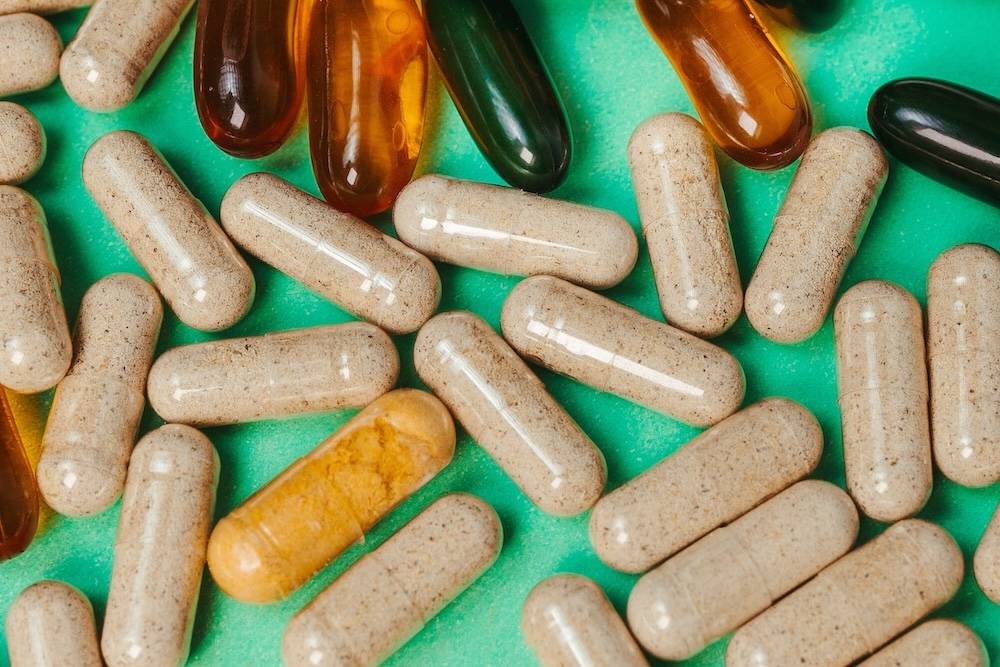
Supplements may also help relieve vaginal dryness, but keep in mind that unlike medications, supplements are not FDA-approved to treat or cure any medical condition, including vaginal dryness.
Still, many natural compounds have been heavily researched for their potential to support vaginal tissue health. They can complement other treatments for vaginal dryness, but they’re not a replacement. It’s also important to check with your doctor first to ensure that the supplements will not interact with any other medications you’re taking.
Common supplements to help soothe vaginal dryness include:
- Vitamin E: This vitamin and antioxidant taken as a vaginal suppository can support vaginal dryness. Some studies suggest that taking it as a supplement may help improve vaginal tissue health and pH balance.
- Hyaluronic acid: A common ingredient in skin care products, hyaluronic acid has been shown to support skin health. It’s a molecule that works as a humectant, meaning that it attracts and retains water. Research shows that it may be an effective non-hormonal option for relieving vaginal dryness when taken as an oral supplement.
- Probiotics: While often associated with gut health, some research suggests probiotics may help support vaginal health, too. In particular, Lactobacillus strains of probiotics may help balance the vaginal microbiome, which could protect it against yeast infections that can cause vaginal dryness, itching, and irritation. However, some researchers caution that probiotics may not have much of an effect on vaginal dryness.
- Dehydroepiandrosterone (DHEA): DHEA is a hormone that is involved in estrogen and testosterone production. Because natural DHEA levels decline as you age, some women take it as an intravaginal menopause supplement to help balance hormone levels and increase vaginal lubrication. However, higher doses or long-term use may increase the risk of breast or ovarian cancer.
Natural Ways To Help Soothe Vaginal Dryness At Home
In addition to tailored medications, moisturizers, and carefully chosen supplements, there are several simple lifestyle changes you can make at home to soothe vaginal dryness and promote better vaginal health. For example:
- Avoid harsh cleansers: Steer clear of douches, scented soaps, and feminine perfumes. These can strip away natural moisture and impact delicate vaginal pH. Opt for plain warm water or water paired with a gentle, unscented cleanser instead.
- Wear 100% cotton underwear: Breathable fabrics allows air to circulate, preventing the buildup of damp heat and moisture that can lead to yeast infections.
- Stay hydrated: Drinking adequate amounts of water supports overall hydration throughout your body, including your vaginal tissues.
- Engage in regular sexual activity: Sexual stimulation can help increase blood flow to the pelvic region. This can help keep your vaginal tissues more lubricated.
Treatments for Vaginal Dryness During Pregnancy (and Postpartum)
Pregnancy causes massive hormonal fluctuations. Following delivery, estrogen levels plummet, especially if you are breastfeeding. Breastfeeding creates a naturally low-estrogen state, which can lead to thinning, dry vaginal tissues and discomfort during intercourse.
Systemic medications are usually avoided during pregnancy and breastfeeding. Instead, healthcare providers generally recommend using non-hormonal vaginal moisturizers to maintain daily comfort, along with water-based lubricants to ease friction during sexual intercourse.
Other lifestyle habits can also relieve vaginal dryness during pregnancy, including:
- Pelvic floor exercises to strengthen your vaginal muscles and boost blood flow
- Drinking enough water to stay hydrated
- Avoiding harsh cleansers, perfumes, or soaps
Treatments for Vaginal Dryness During Menopause (and Perimenopause)

Menopause (and perimenopause) is the most common cause for vaginal dryness. As the ovaries stop producing estrogen, the vaginal lining naturally loses its elasticity and moisture. During perimenopause (the years leading up to menopause), fluctuating hormone levels may also cause vaginal dryness.
Fortunately, there are many menopause and perimenopause treatments, including:
- OTC vaginal moisturizers for non-hormonal, day-to-day relief from dryness and irritation
- Vaginal lubricants to relieve pain and friction during sexual activity
- Topical estrogen therapies (e.g. prescription rings, creams, or tablets) for delivering low-dose estrogen directly to the vaginal tissues to reduce dryness
- Systemic hormone therapy (e.g. estrogen patches or pills) to relieve vaginal dryness along with broader menopause symptoms like hot flashes
Choosing Between Supplements, OTC Treatment, and Prescription Care
With so many options available, finding the right treatment for vaginal dryness can feel overwhelming. Before you start to consider treatment options, the first step should be understanding what’s causing your symptoms. Vaginal dryness can be caused by various conditions, from menopause to yeast infections. To find lasting relief, you need the right treatment.
OTC lubricants and moisturizers can help with mild dryness, or to use as needed. But moderate to severe dryness may need prescription-strength treatment, such as hormone replacement therapy (HRT) for menopause-induced dryness or an antifungal for a vaginal yeast infection. While supplements are not FDA-approved to treat vaginal dryness, your healthcare provider may recommend them to support your medication treatment plan.
When To Seek In-Person Care
Seek in-person care for vaginal dryness if you’re also experiencing unexpected vaginal bleeding or pelvic pain that is severe or getting worse. Also, if you’ve tried over-the-counter vaginal moisturizers or lubricants for several weeks and your symptoms haven’t improved, make an appointment with your care provider. They can perform a physical exam to better understand your symptoms and prescribe appropriate treatment.
Getting the Right Vaginal Dryness Treatment, Fast and Discreetly
Discussing sexual health and vaginal dryness can sometimes feel embarrassing, but it doesn’t need to be. Keep in mind that healthcare professionals discuss these conditions all the time and can help you find relief. But if you’d rather not pick up treatments in person, a trusted digital pharmacy platform can send your vaginal dryness treatment directly to your door.
For example, TelyRx has 500+ FDA-approved medications for many conditions, including vaginal dryness. You may transfer your prescription to us or submit a new prescription request, which will be reviewed by an independent healthcare provider licensed in your state for safety. Once approved, one of our two U.S.-based pharmacies will fill the prescription and ship it to your door in discreet packaging.
If it is your first time using an online prescription delivery service, look for the following to ensure the retailer is legitimate:
- Appropriate third-party certification, such as LegitScript
- A physical location in the U.S.
- Transparent pricing
At TelyRx, we hold LegitScript certification, are headquartered in Clearwater, Florida, and the price you see is the price you pay. We also uphold HIPAA-level privacy protections for all of our customers.
Your Next Steps
Vaginal dryness is a common condition, and it only becomes more common as women age. Fortunately, it’s also usually quite treatable. Discussing your symptoms with a doctor can help you understand what’s causing them, and get you started with the right treatment.
Your sexual health and daily comfort matter. Take the first step toward relief today by exploring TelyRx’s catalog of FDA-approved vaginal health treatments and reach out to your healthcare provider to discuss a personalized plan that works for you.
Research References & Sources
Bilodeau, K. (2019). Should you use probiotics for your vagina?. Harvard Health. https://www.health.harvard.edu/blog/should-you-use-probiotics-for-your-vagina-2019122718592
Carlson, K., & Vadakekut, E. S. (2026). Genitourinary syndrome of menopause. StatPearls – NCBI Bookshelf. https://www.ncbi.nlm.nih.gov/books/NBK559297/
Danan, E. R., Sowerby, C., Ullman, K. E., Ensrud, K., Forte, M. L., Zerzan, N., Anthony, M., Kalinowski, C., Abdi, H. I., Friedman, J. K., Landsteiner, A., Greer, N., Nardos, R., Fok, C., Dahm, P., Butler, M., Wilt, T. J., & Diem, S. (2024). Hormonal treatments and vaginal moisturizers for genitourinary syndrome of menopause. Annals of Internal Medicine, 177(10), 1400–1414. https://doi.org/10.7326/annals-24-00610
Fisher, J. (2025). DHEA supplements: Are they safe? Or effective?. Harvard Health. https://www.health.harvard.edu/healthy-aging-and-longevity/dhea-supplements-are-they-safe-or-effective
Goncharenko, V., Bubnov, R., Polivka, J., Zubor, P., Biringer, K., Bielik, T., Kuhn, W., & Golubnitschaja, O. (2019). Vaginal dryness: individualised patient profiles, risks and mitigating measures. The EPMA Journal, 10(1), 73–79. https://doi.org/10.1007/s13167-019-00164-3
Kamronrithisorn, T., Manonai, J., Vallibhakara, S. A., Sophonsritsuk, A., & Vallibhakara, O. (2020). Effect of vitamin D supplement on vulvovaginal atrophy of the menopause. Nutrients, 12(9), 2876. https://doi.org/10.3390/nu12092876
MedlinePlus. (2025). Vaginal dryness. https://medlineplus.gov/ency/article/000892.htm
Mei, Z., & Li, D. (2022). The role of probiotics in vaginal health. Frontiers in Cellular and Infection Microbiology, 12, 963868. https://doi.org/10.3389/fcimb.2022.963868
Naumova, I., & Castelo-Branco, C. (2018). Current treatment options for postmenopausal vaginal atrophy. International Journal of Women’s Health, Volume 10, 387–395. https://doi.org/10.2147/ijwh.s158913
Raef, H. S., & Elmariah, S. B. (2021). Vulvar Pruritus: A review of Clinical associations, pathophysiology and Therapeutic Management. Frontiers in Medicine, 8, 649402. https://doi.org/10.3389/fmed.2021.649402
Santos, C. C. M. D., Uggioni, M. L. R., Colonetti, T., Colonetti, L., Grande, A. J., & Da Rosa, M. I. (2020). Hyaluronic acid in Postmenopause Vaginal Atrophy: A Systematic Review. The Journal of Sexual Medicine, 18(1), 156–166. https://doi.org/10.1016/j.jsxm.2020.10.016
Sauer, U., Talaulikar, V., & Davies, M. C. (2018). Efficacy of intravaginal dehydroepiandrosterone (DHEA) for symptomatic women in the peri- or postmenopausal phase. Maturitas, 116, 79–82. https://doi.org/10.1016/j.maturitas.2018.07.016