



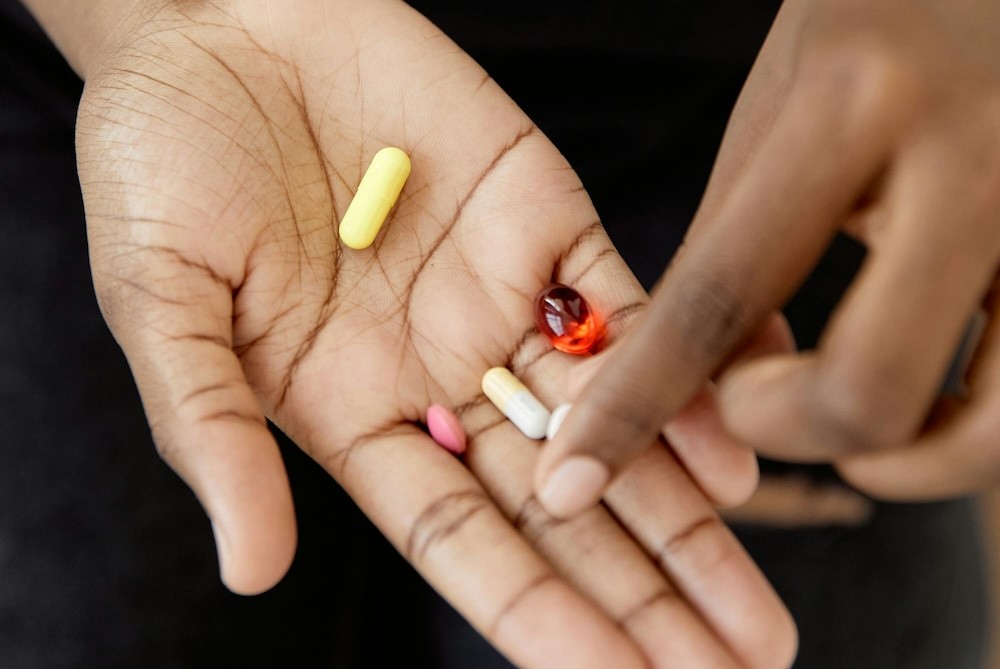
Roughly 5% of adults worldwide have hypothyroidism, also known as underactive thyroid. In hypothyroidism, the thyroid gland does not produce enough thyroid hormone, which is essential for metabolism. Treatment for underactive thyroid typically involves replacing the thyroid hormone with a synthetic substitute. In addition to thyroid hormone replacement therapy, hypothyroid patients often take vitamin B12, vitamin D, selenium, zinc, and other supplements to restore deficiencies associated with the condition.
We’ll take a closer look at the best vitamins for hypothyroidism, and how each one can help support primary treatment for people with an underactive thyroid.
What Is Hypothyroidism, and How Do Thyroid-Support Vitamins Work?
Hypothyroidism is characterized by low levels of thyroxine (T4), the thyroid’s primary hormone. T4 makes up as much as 95% of the thyroid gland’s hormone production. Your body naturally converts T4 into triiodothyronine (T3), a highly active form that regulates heart rate, energy, and metabolism. With an underactive thyroid, your body does not produce enough T4 and T3 hormones to meet its metabolic needs.
Autoimmune inflammation is the most common cause of hypothyroidism. Hashimoto’s thyroiditis is the medical name for chronic inflammation affecting how the immune system interacts with the thyroid gland, and this disorder is a common precursor for underactive thyroid. People can also develop hypothyroidism from iodine deficiency or treating hyperthyroidism (overactive thyroid) with radioactive iodine therapy or surgery.
It is important to note that vitamins are a supplement and not a substitute for hormone replacement therapy. Hormone replacement therapy treats hypothyroidism. Vitamins for hypothyroidism, on the other hand, can provide a support system for hormone replacement therapy while reducing inflammation and alleviating some of the symptoms of a thyroid imbalance.
People with hypothyroidism are advised to work closely with their healthcare provider to coordinate a thyroid-support vitamin schedule to avoid worsening symptoms or health complications.
The Essential Micronutrients for Hypothyroidism

Insufficient thyroid hormone production often leads to vitamin and nutrient deficiencies. For many patients, taking vitamin supplements is an integral part of hypothyroidism treatment. We’ll discuss the best vitamins for hypothyroidism and how they work.
Chronic Fatigue: Vitamins D3 and B12
Fatigue is a common symptom of hypothyroidism in general, but recent studies show that a large number of people receiving hormone replacement therapy to treat hypothyroidism experience chronic fatigue. Whether you’re dealing with fatigue from living with or treating hypothyroidism, supplements like vitamin D3 and vitamin B12 may provide an energy boost.
Vitamin D deficiency is common among people with hypothyroidism and Hashimoto’s thyroiditis.
Vitamin D3 supplements can address this deficiency, which in turn may help modulate your immune response and alleviate symptoms like fatigue. In addition to hypothyroidism applications, vitamin D supplements can improve bone health, promote calcium absorption in the gut, and support the immune system by reducing inflammation.
Likewise, studies have shown vitamin B12 deficiency affects up to 68% of people with an underactive thyroid. Vitamin B12 supplements can help make up this deficiency and alleviate symptoms like fatigue and muscle weakness. The vitamin also helps your body produce red blood cells and supports neurological function.
Since vitamin B12 naturally comes from animal-based food products, supplements can be beneficial for people who don’t get enough of the vitamin from their diet, such as vegetarians and vegans. In addition to oral supplements, prescription vitamin B12 injections are also available.
Hormone Production: Selenium and Zinc
Selenium is a vital micronutrient for human health found in various meats, nuts, and grains. It is essential for the metabolism of thyroid hormones — the human thyroid gland contains more selenium per gram of tissue than any other organ in the body. Not getting enough selenium from your diet can result in a deficiency that worsens symptoms of hypothyroidism.
Selenium supplements can balance these levels and keep underactive thyroid symptoms at bay. Supplements may also be helpful for vegans and vegetarians who do not consume enough selenium-rich food. Additionally, people who smoke can benefit from taking these supplements because smoking causes oxidative stress that decreases selenium levels.
Like selenium, zinc is an essential micronutrient that plays a key role in thyroid hormone production. The thyroid requires zinc to synthesize hormones, but hypothyroidism can inhibit gut function and make it harder for the body to absorb zinc. This creates a cycle of zinc deficiency and poor hormone production. Zinc supplements can help address both issues.
Studies suggest that zinc and selenium supplements work together to support thyroid hormone production for people with hypothyroidism. However, standard guidelines advise caution with zinc supplements. Toxicity can occur when people take zinc in high doses, and long-term supplement use can interfere with how your body absorbs copper.
Hair Loss: Iron and Biotin
Hair loss is a common symptom of hypothyroidism and other thyroid disorders. More research is needed to determine why people with underactive thyroid are prone to widespread hair shedding, but roughly one-third of hypothyroidism patients report hair loss to some extent. The type of hair loss associated with hypothyroidism, diffuse hair loss, causes uniform thinning and a translucent appearance. This differs from the crown-shaped thinning shape of male-pattern baldness, which primarily occurs due to genetics.
Hypothyroidism and iron deficiency can separately cause diffuse hair loss. Ferritin is a protein essential for full hair, and low iron levels often mean there isn’t enough ferritin to promote healthy hair growth. Meanwhile, underactive thyroid decreases cellular metabolism and blocks hair follicles from receiving nutrients.
Iron supplements are available in a wide range of forms, including ferrous sulfate and ferrous gluconate. Taking iron supplements may help people dealing with hair loss from hypothyroidism, iron deficiency, or both. Since humans derive a relatively small amount of iron from their diet, standard guidelines may recommend multiple doses per day for some patients. Beyond treating hair loss, iron supplements can benefit menstruating women who don’t retain enough iron due to blood loss, and pregnant women who require more iron.
Biotin, or vitamin B7, is an essential vitamin that can also address hypothyroid-induced hair loss — but only to a point. Studies have found that biotin supplements can promote hair regrowth for people who have a biotin deficiency. However, more research is needed to determine the vitamin’s hair-restoring abilities for the general population. Furthermore, taking high doses of biotin can skew the results of thyroid panel tests. If you take biotin for hair loss, your provider may recommend discontinuing the supplement a few days prior to your regular thyroid panel.
When To Take Your Thyroid Supplements
Each dietary supplement comes with its own set of standard guidelines for dosage timing and frequency. Some require multiple doses a day, while others only need to be taken once daily or as needed. Standard guidelines also include side effects, interactions with other drugs, and whether patients should take their supplement with food or on an empty stomach.
People with hypothyroidism are advised to discuss which supplements are most beneficial for them with their healthcare provider. A doctor can also provide guidance for dosage timing and other supplement specifics.
Which Hypothyroid Vitamins Are Right For You?
Determining which thyroid-support vitamins are right for you requires some research. For anyone with underactive thyroid, the best vitamins may help alleviate symptoms and address hypothyroid-related deficiencies without interacting with other medications or producing severe side effects. However, it’s important to consider side effects, drug interactions, and other potential drawbacks. Working closely with a provider can help you pinpoint which hypothyroid vitamins will benefit you the most.
Adding Vitamins Into Your Thyroid Care Regimen
In addition to alleviating hypothyroid symptoms, taking vitamins as part of your regular wellness routine can benefit your overall health. Each of the 13 essential vitamins performs unique essential functions related to cell growth and development, immune health, and metabolism. Although you can get these vitamins from your diet through various foods and beverages, taking vitamin and multivitamin supplements to meet daily intake recommendations can help ensure your levels are always balanced.
The Food & Drug Administration (FDA) does not review dietary supplements, so vitamins do not receive FDA approval to treat specific conditions. However, decades of research have established the various benefits of taking regular vitamins as directed by a healthcare provider.
Your Next Steps
People who want to learn more about the benefits of vitamins are advised to speak with their healthcare provider before trying any supplements on their own. A doctor will provide crucial guidance about the various side effects, contraindications, and drug interactions of each vitamin and mineral supplement to prepare patients for their new wellness routine.