




There is a persistent myth that hormonal birth control causes polyendocrine metabolic ovarian syndrome (PMOS), formerly called polycystic ovary syndrome (PCOS). PMOS is a hormonal disorder that affects up to 6 million American women, or up to 10% of women of child-bearing age. In addition to causing symptoms like irregular periods and weight gain, PMOS is also linked to fertility issues.
While users on social media and online forums warn that birth control can cause PMOS and infertility, these claims aren’t backed by science or research. In fact, birth control is often recommended as part of a PMOS treatment plan. Read on to learn the actual causes of PMOS, why people wrongly connect PMOS with birth control, and how birth control can help treat PMOS symptoms.
Birth Control Causes PCOS / PMOS: What’s The Truth?
There is no scientific evidence supporting the idea that birth control causes PMOS. However, there are multiple potential explanations for why this myth began.
Hormone Testing Confusion
Androgens are a group of hormones that include testosterone. Many birth control medications lower androgen levels, but when you stop taking hormonal birth control, your androgen levels can increase back to their original baseline levels.
PMOS is often associated with elevated androgen levels. Because hormonal birth control typically suppresses androgen levels while someone is taking it, it masks their true baseline. Once they stop the birth control, their androgen levels return to that baseline, which was likely already elevated due to PMOS.
The tricky part is timing. Many people don’t get their hormone levels tested until they’re trying to conceive, which is usually after they’ve stopped birth control. So when the test comes back showing high androgens, it looks like the birth control is to blame. In reality, the birth control was likely masking pre-existing high androgen levels the whole time, rather than causing them.
The Post-Pill PCOS / PMOS Phenomenon
After going off of birth control, a person may experience symptoms like an irregular period for about three months. These symptoms are the result of hormone levels returning to their original levels prior to taking birth control. Other symptoms may include heavy periods, pre-menstrual syndrome, acne, weight gain or loss, mood swings, and headaches.
These symptoms mimic some PMOS symptoms, so some people assume it means that ending birth control causes a temporary post-pill PCOS or PMOS. But while the symptoms may share similarities, post-pill side effects are not a form of PMOS. These symptoms stem from a different underlying cause and typically resolve within a few months, while PMOS is a chronic condition.
Symptom Masking
Hormonal birth control is a common treatment for PMOS because it can reduce PMOS symptoms like irregular periods, heavy periods, acne, and excessive body hair growth. Experts have suggested that some women who go on birth control to prevent pregnancy may receive a delayed PMOS diagnosis due to the birth control masking their PMOS symptoms.
In these cases, hormonal birth control itself does not cause PMOS. Instead, it treats an underlying disorder that was already developing or present, but undiagnosed. When the birth control is discontinued, PMOS symptoms worsen, and a person may be diagnosed with PMOS for the first time, even though they’ve unknowingly had it for years.
Coincidence of Timing
Sometimes, people believe they are developing PMOS after ending birth control when in reality, they have entered perimenopause. Perimenopause is the transitional stage before menopause, and many perimenopause symptoms are due to changing hormone levels.
Perimenopause commonly develops in your late 30s and 40s. Some perimenopause symptoms overlap with PMOS symptoms. For example, both perimenopause and PMOS can involve irregular periods, weight gain, mood changes, thinning hair, and sleep disruptions. If these symptoms appear after a person goes off of birth control, it’s important to have a doctor identify the underlying cause. Instead of PMOS, the symptoms could be the result of natural hormonal fluctuations that occur with age.
Birth Control As PCOS / PMOS Symptom Treatment
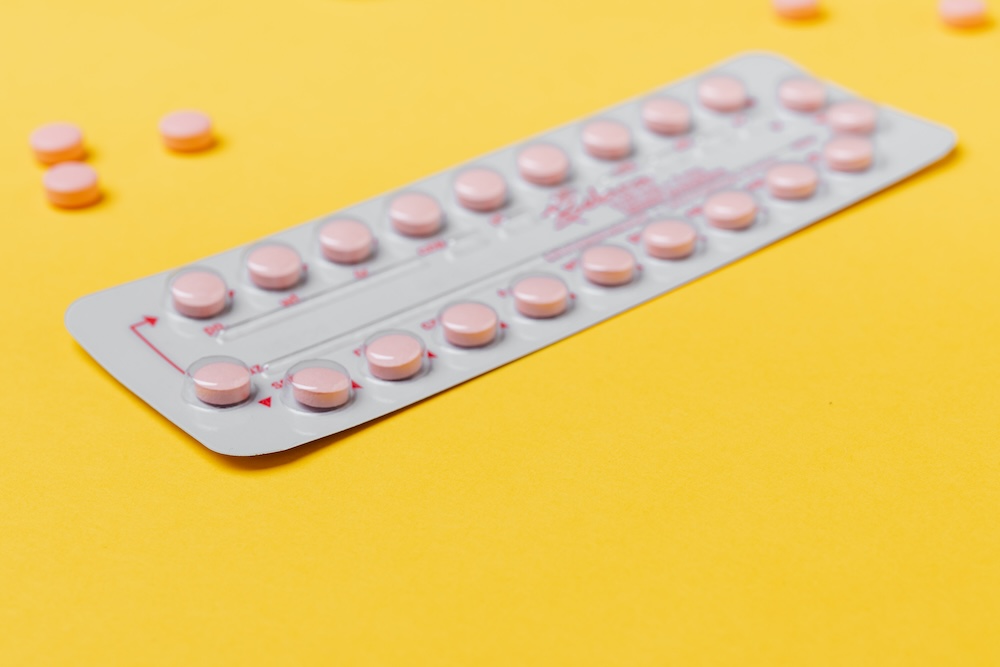
A combined oral contraceptive, which contains both estrogen and progestin, is the most common treatment for PMOS when an irregular period is present. In addition to regulating menstrual cycles, this form of birth control can help alleviate PMOS symptoms by reducing overall androgen levels.
Among people with PMOS, combined birth control can also reduce the risk of endometrial cancer, which is cancer of the lining in the uterus. People with PMOS are two to three times more likely to develop endometrial cancer compared to those who without PMOS.
Why Birth Control Can Make PCOS Symptoms Worse… At First
When someone with PMOS first begins birth control as a treatment, they may feel like their symptoms are becoming worse instead of better. Usually, this is a short-term side effect and can include initial weight gain, mood swings, headaches, or irregular spotting as the body adjusts to the new hormones. These effects generally taper off after two to three months of consistent treatment.
Ready to explore FDA-approved PMOS treatments?
What Are Risk Factors For PCOS / PMOS?
Taking birth control is not considered a risk factor for developing PMOS. However, there are multiple other risk factors that can increase a person’s chance of developing this chronic condition.
- Type 2 diabetes: Diabetes has been linked to PMOS, particularly because diabetes often involves insulin resistance, which can lead to overly high insulin levels in the blood. High insulin levels can stimulate androgen production, which is often elevated in PMOS. Type 2 diabetes is also commonly linked to obesity, which is another risk factor for developing PMOS.
- Family history of PMOS: People with first-degree relatives, like a parent or sibling, with PMOS are more likely to develop it too. While there is no single “PMOS gene,” multiple genes have been linked to PMOS. Close family members with PMOS may also share these same genes.
- Excessive weight: Being overweight, obese, or having a high amount of abdominal fat increases the risk of PMOS. Excess fat can increase inflammation in the body and impact hormone levels, which may worsen PMOS symptoms. Weight loss and healthy lifestyle changes are often recommended to people with PMOS.
- High androgen levels: Over 80% of women with high androgen levels (hyperandrogenism) have PMOS. High androgen levels are often caused by insulin resistance, but they can also result from other conditions, certain genes, and, rarely, tumors.
When Visiting A Doctor May Be Necessary
Although going off birth control does not cause PMOS, you may still want to see a doctor if you believe you are experiencing PMOS symptoms. Because birth control can suppress PMOS symptoms, there is a chance that people who have undiagnosed PMOS may only realize it after stopping birth control. Also, PMOS symptoms can overlap with the symptoms of other conditions, and finding out the underlying cause of your symptoms helps ensure you receive proper treatment.
Talk to your doctor if you have an unpredictable menstrual cycle, heavy bleeding, hair loss, excessive body hair growth, severe acne, excessive weight gain, fatigue, severe mood swings, or sleep disturbances. Your doctor will ask questions about your symptoms and medical history, then determine which tests and treatments you might need.
If you are experiencing debilitating period pain or excessive blood loss, seek emergency medical attention right away. These symptoms could be a sign of something more serious.
Your Next Steps
Ending birth control can lead to side effects as hormones shift back to their original baselines. While birth control doesn’t cause PMOS, there is a chance you could recognize that you have PMOS for the first time after going off of birth control. Evaluate how severe your symptoms are and how long you’ve had them to better help your doctor with a diagnosis. Birth control side effects are generally not severe and usually subside within three months. Severe or long-term symptoms are a sign to speak with your doctor.
If you have been diagnosed with PMOS, you may receive treatment to help alleviate symptoms for increased comfort. Whether you fill your prescription in person or online through a trusted digital pharmacy platform like TelyRx, you may find relief through hormonal birth control treatments.