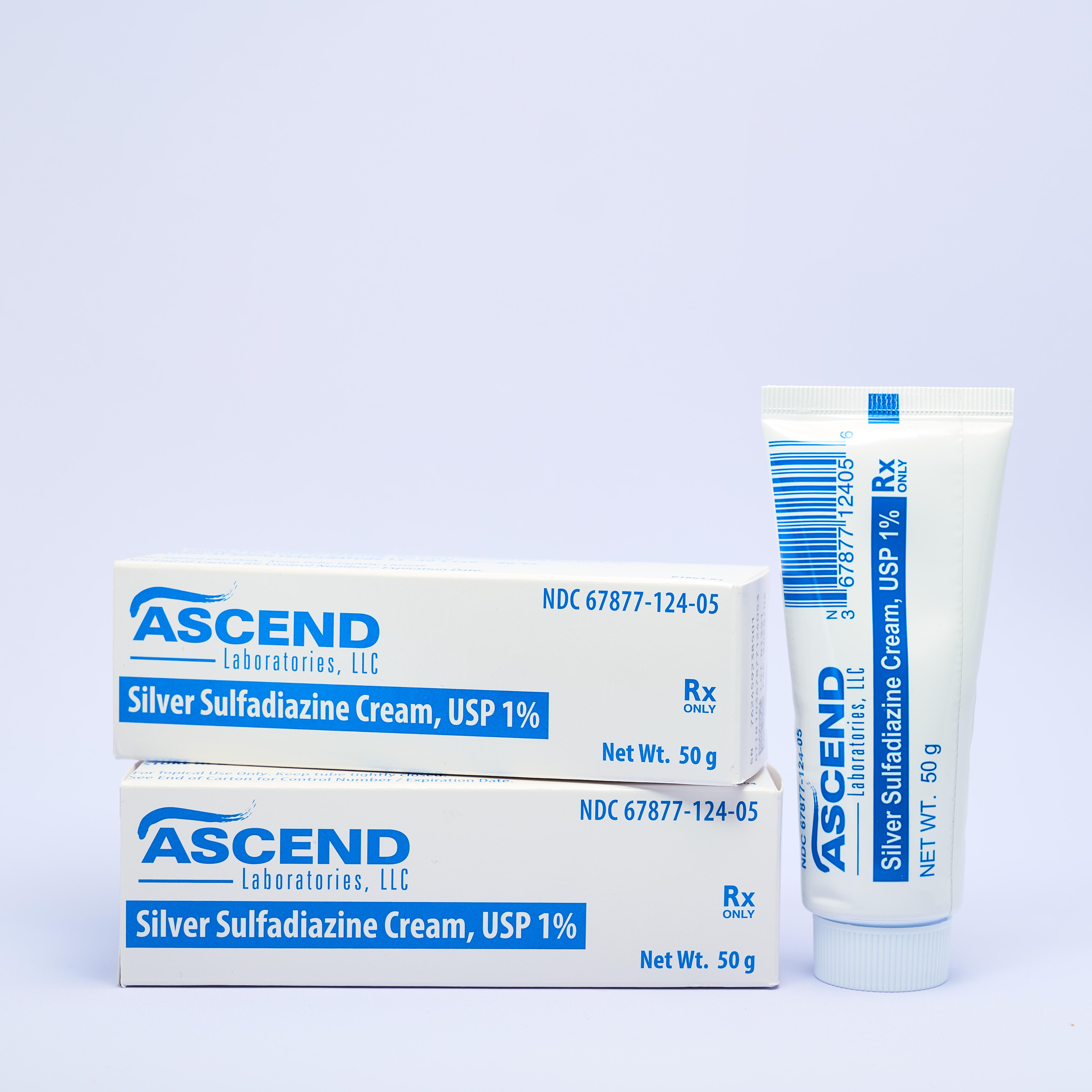
How It Works
Silver sulfadiazine cream works by releasing silver ions into the damaged skin. These ions stop the growth of bacteria and yeast, reducing the risk of infection and promoting healing. Silver sulfadiazine also kills certain bacteria by damaging their cell wall to further reduce the risk of infection.
| Quick Facts | |
|---|---|
| Common Brands | Silvadene, SSD, Thermazene |
| Drug Class | Sulfa antibiotic |
| Generic Status | Generic is available |
| Availability | Prescription only |
Dosing
Silver sulfadiazine cream is typically applied once or twice daily in a thin layer over the entire affected area. It is recommended to wash hands thoroughly before and after application.
To maintain a sterile environment, providers typically recommend wearing sterile gloves when handling the cream and touching the wound. Reapply the cream if it rubs off after bathing or putting on clothes.
Note: Dosing information below is educational only. Your prescribing physician will determine your specific dose based on your individual health needs. Always follow your healthcare provider’s instructions for exact dosing.
Uses
FDA-Approved Uses
Silver sulfadiazine cream is FDA-approved to prevent and treat infections in people with second- or third-degree burns
Off-Label Uses
You may see silver sulfadiazine cream prescribed for uses that are not “FDA-approved.” This is a common and legal practice called “off-label” prescribing, where a doctor uses their clinical judgment to prescribe a drug for a different (but well-researched) purpose.
Silver sulfadiazine may be used off-label to treat severe sunburns accompanied by blistering and pain.
Get Savings Updates for Silver Sulfadiazine Cream
Join our mailing list for exclusive deals and more.
Side Effects
Like all medications, silver sulfadiazine cream can cause side effects. Some common side effects may improve over time as your body adjusts to the medication. Other side effects may be serious and require medical attention.
Common Side Effects
- Skin discoloration
- Mild skin irritation, redness, or dryness
- Mild burning or itching
- Skin rash
- Dark urine
- Temporary low white blood cell count (leukopenia)
Serious Side Effects
Serious side effects are rare, but it’s important to know what to look for if they do occur. Stop using silver sulfadiazine cream and call your doctor immediately if you experience:
- Severe allergic reactions: Symptoms include swelling of the face, lips, tongue, or throat; difficulty breathing or swallowing; racing heart; severe rash or itching; and/or fever.
- Severe skin reactions: Conditions such as Stevens-Johnson syndrome (SJS) or toxic epidermal necrolysis (TEN) can occur. Symptoms include painful red or purple skin that peels or burns, red or watery eyes, and blisters on the skin, mouth, nose, or genitals.
- Liver damage (hepatotoxicity): Symptoms include yellowing of the skin or eyes (jaundice), dark urine, light-colored stool, stomach pain, nausea, vomiting, fever, and unusual tiredness.
- Kidney injury: Symptoms include a reduced need to pee, unusual tiredness or weakness, shortness of breath, confusion, nausea, seizures, and swelling in the ankles, legs, or feet.
- Blood disorders: Conditions such as aplastic anemia, agranulocytosis, hemolytic anemia, low platelets (thrombocytopenia), and low white blood cell count (leukopenia) can occur when using silver sulfadiazine. Symptoms include easy bruising or bleeding, pale skin, fever, shortness of breath, dizziness, headache, irregular heartbeat, unusual tiredness, or frequent infections.
- Another infection: It’s possible for silver sulfadiazine to lead to an infection with a different germ, such as fungi. The burn wound may not improve or get worse.
Call your doctor immediately if you experience any concerning or prolonged symptoms.
Pharmacist Tips
Wash Your Hands
Because burns are highly susceptible to infection, wash your hands before use (and after, unless you’re applying the cream to your hands). If possible, wear sterile exam gloves during application to prevent introducing new germs to the wound.
Only Use Bandages as Directed
Gauze dressings or bandages may be applied over the cream if needed, but avoid airtight plastic-covered bandages.
Avoid the Eye Area
This medication is for external use on the skin only. Do not apply it in or around the eyes, as it can cause severe irritation. If accidental contact occurs, rinse thoroughly with cool water.
Reapply as Needed
The burned area should be covered with the cream at all times. If the cream rubs off onto clothing or bedding, reapply it. Also reapply after showering or bathing.
Clean the Area Before Reapplying
Before applying a new layer, previous applications should be cleaned off as directed by your healthcare provider.
Store at Room Temperature
Store silver sulfadiazine cream at 68°F to 77°F (20°C to 25°C). Keep it in a cool, dry place away from direct heat and moisture.
Tell Your Doctor if You Are Pregnant
Silver sulfadiazine cream should not be used if you are at or close to your delivery date.
Finish the Course
Continue using the silver sulfadiazine cream for the entire course recommended by your doctor, even if your wound looks better. Stopping early may increase the risk of antibiotic resistance.
Drug Interactions
Certain medications and substances can interact with silver sulfadiazine cream, potentially altering how it works or increasing the risk of side effects. For example:
- Enzymatic debriding agents: The cream may interact with medications containing collagenase, papain, or sutilains, potentially making them less effective.
- Methenamine: Silver sulfadiazine may interact with this medication used to treat urinary tract infections (UTIs).
- Methotrexate: This medication may interact with silver sulfadiazine.
- Aminolevulinic acid: Your doctor may adjust your dose if you take this medication for precancerous skin conditions.
- Cimetidine: Taking this heartburn medication with silver sulfadiazine may increase the risk of side effects like low white blood cell count.
Always give your doctor and pharmacist a complete list of all your medications, vitamins, and supplements to check for potential interactions.
FAQs
Why does silver sulfadiazine cream turn gray or black when exposed to light?
Silver sulfadiazine contains silver, which is sensitive to light and air. Exposure can cause the cream to oxidize and turn gray or black, which may also cause skin discoloration at the application site.
Can I use silver sulfadiazine on a sunburn?
Healthcare providers may prescribe silver sulfadiazine off-label for severe sunburns, particularly those accompanied by blistering and significant pain.
Why must I remove the old cream before applying a new layer?
Cleaning the wound and removing the old cream helps prevent fluid buildup from the wound and ensures fresh medication comes into direct contact with the wound.
Does this cream stain clothing or bed sheets?
It is possible. Since it contains silver ions, silver sulfadiazine cream may cause discoloration on the skin, which may transfer to fabrics.
Can I use silver sulfadiazine if I am allergic to “sulfa” drugs?
No. People with a known allergy to sulfonamide antibiotics (sulfa drugs) should not use silver sulfadiazine. It may trigger a serious allergic reaction.
Is it safe to use this cream on my face?
It can be used on the face if prescribed, but extreme caution must be taken to avoid contact with the eyes, nose, and mouth.
Does this cream help with pain, or just prevent infection?
The primary function of silver sulfadiazine is to prevent and treat infection. However, by controlling infection and keeping the wound moist, it promotes healing, which may indirectly help with pain.
Can I use silver sulfadiazine on open wounds or cuts?
It is specifically designed for burn wounds. Providers may prescribe it off-label for other open wounds if they determine there is a risk of infection that requires this specific antibiotic.
Is it safe to use during pregnancy or breastfeeding?
Usage during pregnancy is not recommended due to potential risks to the newborn. It is not known if the drug passes into breast milk, so risks cannot be ruled out. Tell your healthcare provider if you are pregnant or breastfeeding before using silver sulfadiazine cream.
How thick should the layer of cream be on the burn?
It’s recommended to apply a thin, even layer to the burned skin.
Do I need to cover the cream with a bandage?
You can cover the area with a sterile gauze dressing if needed, but it is not required as long as the cream remains on the wound. However, avoid airtight or plastic-covered bandages.
How long can I keep the jar after opening it?
Specific expiration dates are printed on the packaging. Generally, the medication should be stored at room temperature (68°F to 77°F) and kept tightly closed, away from light or moisture.
Does this medication delay wound healing?
The medication is used to promote healing by stopping bacterial growth.
Can I use this for acne or poison ivy?
Silver sulfadiazine is not indicated for acne or poison ivy. It is an antibiotic used to treat severe burns and wounds.
Can I stop using it once the burn scabs over?
You should generally continue using it for the full prescribed course. Otherwise, there is a risk of antibiotic resistance or reinfection. Keep using silver sulfonamide cream until your healthcare provider instructs you to stop.
Comparable Medications
Silver sulfadiazine cream, Silvadene (silver sulfadiazine), Bacitracin / Neosporin, aloe vera gel, mafenide acetate (Sulfamylon), or silver nitrate?
There are several medications that your doctor can prescribe in place of silver sulfadiazine cream. Here are a few possible alternatives below.
Silvadene
The brand name for silver sulfadiazine.
Bacitracin / Neosporin
An over-the-counter (OTC) topical antibiotic used for minor cuts, scrapes, and burns.
Aloe vera gel
A soothing plant extract used for minor sunburns to provide cooling relief.
Mafenide acetate
A topical antibiotic used to prevent infection in severe burns.
Silver nitrate
A topical used to cauterize infected skin wounds, create a scab to stop bleeding, or remove warts and skin tags.
We Have Silver Sulfadiazine Cream in Stock. Get Yours Today!
Important: Information on this page is for educational purposes only. Prescribing decisions are made by independent, licensed providers. TelyRx operates technology-enabled pharmacies and a telehealth platform that connects patients with board-certified licensed providers. Prescriptions, when provider-approved and issued, are filled and shipped by TelyRx-affiliated pharmacies. We do not employ physicians or make prescribing decisions. Learn more about our editorial standards here.