How It Works
In type 2 diabetes, your body either doesn’t make enough insulin or doesn’t use it efficiently. Glimepiride helps with insulin deficiency by:
- Stimulating the pancreas: Once you swallow the tablet, the medication attaches to specific sensors on the surface of beta cells in your pancreas.
- Insulin release: This attachment signals the pancreas to release more insulin into your bloodstream.
- Lowering blood sugar: Extra insulin moves sugar from your blood into your cells for energy. By increasing insulin levels , glimepiride prevents high blood sugar levels.
| Quick Facts | |
|---|---|
| Common Brands | Amaryl (discontinued) |
| Drug Class | Sulfonylurea |
| Generic Status | Generic version available |
| Availability | Prescription only |
Dosing
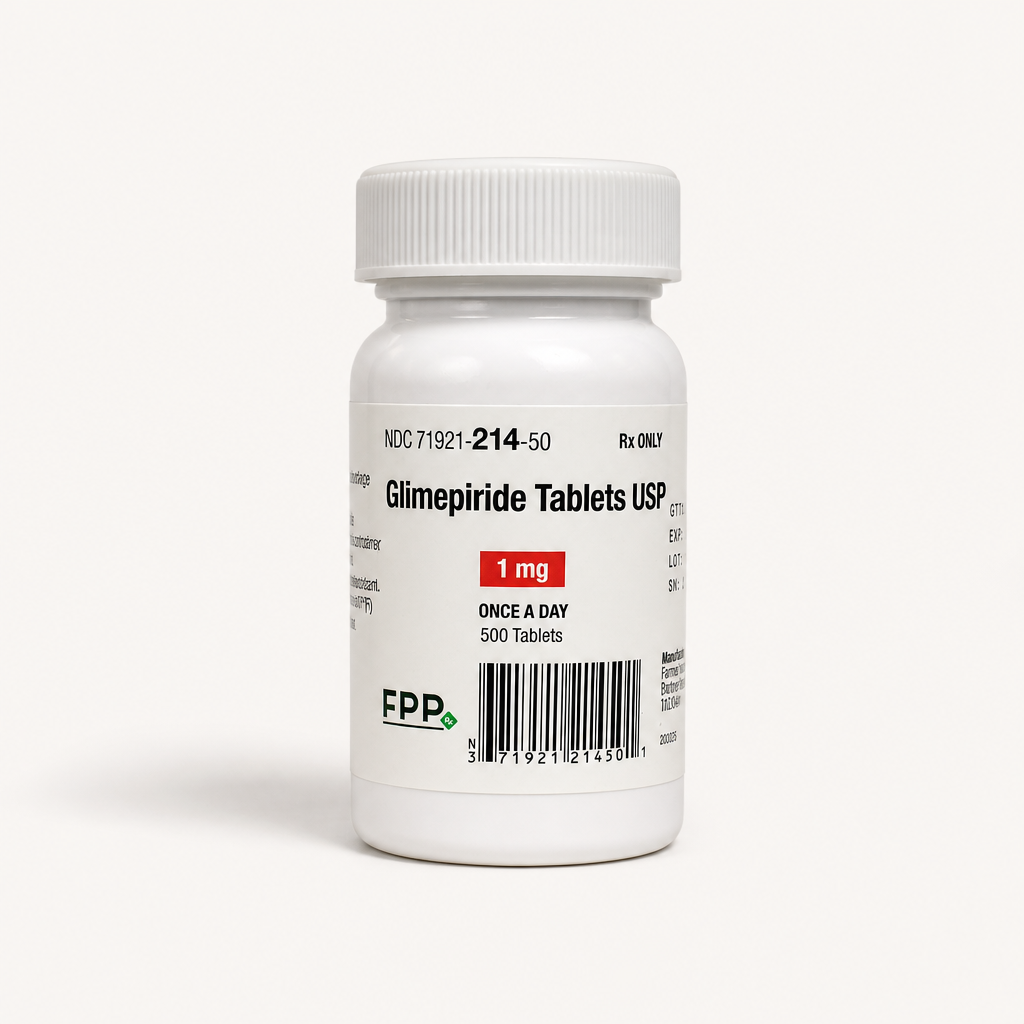
Glimepiride is available in several strengths, including 1 mg, 2 mg, and 4 mg tablets. The goal is to find the lowest dose that keeps your blood sugar at your target level.
- Typical starting dose: Most people begin with 1 mg or 2 mg once daily.
- Dose adjustments: If your blood sugar is still high after 1 to 2 weeks, your doctor may gradually increase the dose. The maximum daily dose is typically 8 mg.
- Timing is vital: It is generally advised that you should take glimepiride with breakfast or your first main meal of the day. Providers typically recommend taking it at the same time every day to maintain steady levels.
- Administration: Standard guidelines typically advise swallowing the tablet whole with a glass of water, and to not crush or chew the tablet unless instructed to do so.
- Missed doses: If you miss a dose, take it as soon as you remember with food. However, if it is almost time for your next dose, skip the missed one. It is generally advised not to take two doses at once, as this can cause dangerously low blood sugar.
Note: The dosing information below is for educational purposes only. Your prescribing physician will determine your specific dose based on your individual health needs. Always follow your healthcare provider’s instructions for exact dosing.
Uses
FDA-Approved Uses
The FDA approves glimepiride for type 2 diabetes mellitus to improve glycemic control in combination with diet and exercise.
Off-Label Uses
You may see glimepiride prescribed for uses that are not FDA-approved. This is a common and legal practice called off-label prescribing, where a doctor uses their clinical judgment to prescribe a drug for a different (but well-researched) purpose.
Glimepiride may be prescribed off-label for the following conditions:
- Polycystic ovary syndrome (PCOS): While less common than metformin, some providers use sulfonylureas to help manage the insulin resistance associated with PCOS.
- Maturity-onset diabetes of the young (MODY): Certain genetic forms of diabetes respond well to low doses of sulfonylureas like glimepiride.
Side Effects
Because glimepiride prompts your body to release insulin, its effects can lead to side effects.
Common Side Effects
- Hypoglycemia (low blood sugar)
- Headache
- Nausea or upset stomach
- Dizziness
- Weight gain
Serious Side Effects
Serious side effects are rare, but it’s important to know what to look for if they do occur. Stop taking the medication and immediately call the doctor if you experience any of the following symptoms:
- Severe hypoglycemia: Can lead to confusion, seizures, or loss of consciousness.
- Severe allergic reactions: Watch for hives, facial swelling, or trouble breathing.
- Hemolytic anemia: Destroys red blood cells faster than the body creates them. This rare disorder occurs more frequently in people with a G6PD deficiency.
- Liver problems: Standard guidelines generally recommend watching for the yellowing of the skin or eyes (jaundice), dark urine, or upper stomach pain.
- Photosensitivity: In rare cases your skin may become much more sensitive to sunlight, leading to severe sunburns.
Call your doctor immediately if you experience any concerning or prolonged symptoms.
Pharmacist Tips
Never Skip Meals
Because glimepiride prompts your body to release insulin, it is generally advisable to have food in your system to match the insulin. Skipping a meal while on this medication is the most common cause of dangerously low blood sugar.
Carry A Rescue Sugar Source
Providers generally advise keeping fast-acting glucose (such as tablets, gel, or a box of fruit juice) with you in case you experience low blood sugar symptoms.
Use Sun Protection
Use high-SPF sunscreen and wear protective clothing when spending time outdoors.
Check Your Feet
If you have diabetes, check your feet every night for cuts or sores that aren’t healing, as medications alone cannot prevent all diabetes-related nerve issues.
Alcohol Caution
It is generally accepted not to drink alcohol, especially on an empty stomach. Alcohol can hide the signs of low blood sugar and can cause your glucose levels to drop unpredictably.
Be Careful With Keto
Low-carb diets can increase the risk of hypoglycemia while taking glimepiride. It is generally advised to talk to your doctor before making major dietary changes.
Drug Interactions
Glimepiride can interact with many other medications, which can either make your blood sugar drop too low or prevent the drug from working.
Let your doctor know if you take:
- Antibiotics and antifungals: Drugs such as ciprofloxacin or fluconazole can increase the risk of abnormal blood sugar levels.
- Beta-blockers: These heart medications can mask the symptoms of low blood sugar (such as a fast heartbeat), making it harder to recognize that your blood sugar is dropping.
- Aspirin and NSAIDs: High-dose aspirin can increase the effect of glimepiride.
- Steroids: Medications like prednisone can raise blood sugar, making glimepiride less effective.
Always give your doctor and pharmacist a complete list of all your medications, vitamins, and supplements to check for potential interactions.
FAQs
What happens if I take this medication in the morning but skip or delay my breakfast?
Your pancreas will still release insulin because of the medication. This can cause your blood sugar to drop to excessively low levels. Take glimepiride with a substantial meal.
Is it normal for me to suddenly start gaining weight after adding glimepiride to my routine?
Yes, weight gain is a common side effect of sulfonylureas. As the medication helps your body use sugar more effectively, some of that sugar is stored as fat. Following a balanced diet and staying active can help manage this.
Can I take this pill if I am following a zero-carb keto diet or doing intermittent fasting?
Standard guidelines suggest caution. Fasting for long periods while taking glimepiride significantly increases the risk of severe hypoglycemia. Most providers recommend a more consistent eating schedule for patients on this medication.
Is it safe to take glimepiride at the same time as my daily metformin?
Yes, it is common. Metformin and glimepiride work in different ways: metformin stops the liver from making too much sugar, while glimepiride helps the pancreas release more insulin. Using them together provides a dual approach to blood sugar control.
What is the difference between this once-a-day pill and taking glipizide twice a day?
Glimepiride is generally longer-acting and is taken once daily. Glipizide often requires twice-daily dosing. Glimepiride may also carry a slightly lower risk of weight gain and hypoglycemia than older sulfonylureas for some patients.
Does taking this medication increase my risk of heart problems?
Some older studies on the sulfonylurea class suggested a potential link to heart issues, but more recent research on glimepiride has shown it to be generally safe for the heart when used as directed. Discuss your specific heart history with your provider.
Will glimepiride help lower my A1C numbers as fast as daily insulin injections do?
Glimepiride works fast, usually reaching its maximum effect within 2 to 3 hours. While insulin is the most powerful tool for lowering blood sugar, glimepiride can lower A1C by about 1% to 2% over several months for many patients.
Is it safe to continue taking this medication if I discover I am pregnant?
Contact your doctor immediately. Standard guidelines typically recommend switching from oral diabetes medications to insulin during pregnancy to ensure the safest outcome for the developing baby.
Comparable Medications
Glipizide, Metformin, Jardiance, Wegovy, or Ozempic?
Below are potential alternatives to glimepiride:
Glipizide
From $24.99
While Glimepiride is a once-a-day pill, Glipizide is often taken twice. Glimepiride may have fewer fluctuations in blood sugar levels.
Metformin
From $27.99
Metformin is usually the first medication prescribed for type 2 diabetes. It generally does not cause weight gain or low blood sugar. Glimepiride is often added to metformin when the first drug isn't enough to reach your A1C goal.
Jardiance®
From $879.99
Jardiance belongs to a different class (SGLT2 inhibitors) that helps the kidneys flush sugar from the body through urine. Jardiance also provides heart and kidney protection, whereas glimepiride focuses on insulin production.
Wegovy®
From $1399.99
Both Wegovy and Ozempic are GLP-1 receptor agonists (mostly injectable). They slow digestion and support significant weight loss. Ozempic and Wegovy can help patients lose weight while also lowering blood sugar.
Insulin
Insulin is a hormone you inject to replace what your body isn't making. Glimepiride is a pill that prompts your body to produce more insulin. Insulin is more powerful but requires more frequent monitoring and may carry a higher risk of hypoglycemia.
We Have Glimepiride in Stock. Get Yours Today!
Important: Information on this page is for educational purposes only. Prescribing decisions are made by independent, licensed providers. TelyRx operates technology-enabled pharmacies and a telehealth platform that connects patients with licensed providers. Prescriptions, when provider-approved and issued, are filled and shipped by TelyRx-affiliated pharmacies. We do not employ physicians or make prescribing decisions. Learn more about our editorial standards here.