How It Works
Alendronate works by traveling through the bloodstream and binding to the mineral surfaces of bones. Osteoclasts, the cells that break down and remove old bone tissue, ingest the alendronate. This causes the osteoclasts to shut down.
Normally, osteoclasts and osteoblasts (the bone-building cells) are balanced. Aging or hormonal changes like menopause can cause osteoclasts to outpace osteoblasts, leading to bone deterioration. By inhibiting osteoclasts, alendronate helps restore the balance of bone-building and bone-clearing cells in the body.
| Quick Facts | |
|---|---|
| Common Brands | Fosamax, Binosto |
| Drug Class | Bisphosphonate |
| Generic Status | Generic version available |
| Availability | Prescription only |
Dosing
Alendronate dosage is dependent on the condition being treated, and whether the long-term goal is prevention or active treatment.
- Postmenopausal osteoporosis treatment: Standard guidelines for treating postmenopausal osteoporosis with alendronate tablets suggest a starting dose of 10 mg per day. Patients may take a 10-mg tablet once per day, or a 70-mg tablet once per week.
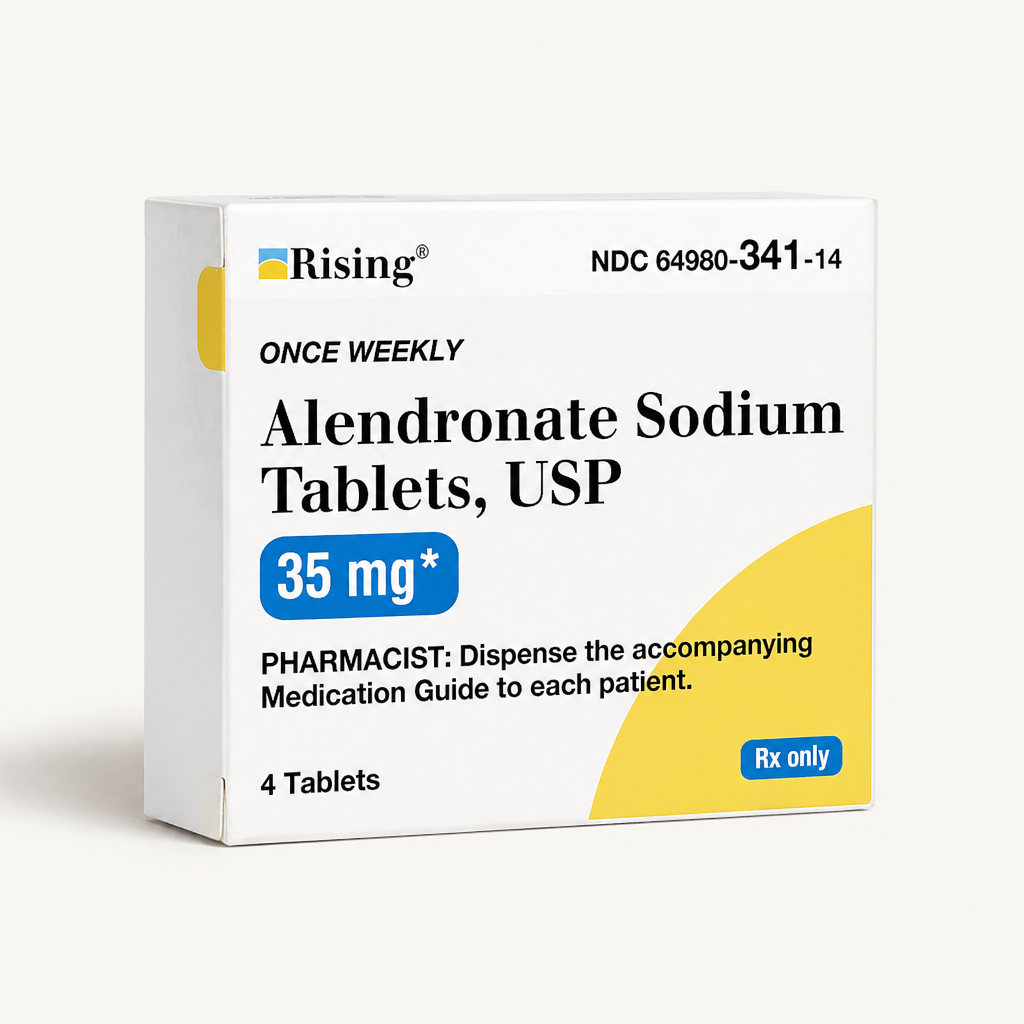
- Postmenopausal osteoporosis prevention: Providers typically recommend a dose of 35 mg weekly or 5mg daily for postmenopausal osteoporosis prevention.
- Osteoporosis in men: Per clinical guidelines, the standard dose for treating osteoporosis in men is 10 mg per day or 70 mg per week.
- Paget’s disease: Patients with Paget’s disease usually require a higher dose and treatment timetable, such as 40 mg once a day for a duration of 6 months.
- Steroid-induced osteoporosis: Standard dosing for treating steroid-induced osteoporosis is 5 mg per day, though doctors may prescribe 10 mg per day to postmenopausal women who are not taking estrogen supplements.
Note: Dosing information below is educational only. Your prescribing physician will determine your specific dose based on your individual health needs. Always follow your healthcare provider’s instructions for exact dosing.
Uses
FDA-Approved Uses
Alendronate has received FDA approval for the following indications:
- Prevention and treatment of osteoporosis in postmenopausal women at high risk of fracture
- Treatment to increase bone mass in men with osteoporosis
- Treatment of glucocorticoid-induced osteoporosis in men and women taking 7.5 mg or more of prednisone daily
- Treatment of Paget disease of bone by normalizing bone remodeling in affected areas
Off-Label Uses
You may see (medication) prescribed for uses that are not “FDA-approved.” This is a very common and legal practice called “off-label” prescribing, where a doctor uses their clinical judgment to prescribe a drug for a different (but well-researched) purpose.
Common off-label uses for alendronate tablets currently found in clinical research and practice include:
- Osteogenesis imperfecta: Some specialists recommend bisphosphonates like alendronate to strengthen bones in people with osteogenesis imperfecta, a disease that causes bones to become brittle.
- Bone loss associated with cancer treatment: Providers may prescribe alendronate for patients who have experienced accelerated bone loss after cancer treatment.
- Post-transplant bone loss: May be used in kidney or liver transplant recipients to reduce bone loss and fracture risk.
Side Effects
Alendronate can cause irritation of the esophagus and stomach, so many side effects involve the upper gastrointestinal tract.
Common Side Effects
Common side effects from taking alendronate tablets include:
- Stomach pain, heartburn, indigestion, and nausea
- Diarrhea or constipation
- Gas and bloating
- Mild to moderate pain in the bones, joints, and muscles
- Headache or dizziness
Serious Side Effects
Serious side effects are rare, but it’s important to know what to look for if they do occur. Serious side effects from taking alendronate tablets can include:
- Esophageal ulcers and irritation: Severe inflammation and tears in the throat can occur if patients don’t completely swallow the alendronate tablet, or if they lie down too soon after taking the medication.
- Hypocalcemia: While alendronate can help people with hypercalcemia, the medication can lead to a drop in blood calcium levels. Symptoms include muscle spasms, numbness, tingling in the fingers and toes, and an irregular heartbeat.
- Osteonecrosis of the jaw (ONJ): Alendronate has been linked to ONJ, a rare condition that causes the jawbone to break down. This is especially common after extensive dental work.
- Atypical femur fractures: Long-term use of alendronate has been linked to unusual fractures in the femur, often without any accompanying physical trauma.
- Severe musculoskeletal pain: Alendronate can lead to bones and joints becoming incapacitated and severe musculoskeletal pain.
Call your doctor immediately if you experience any concerning or prolonged symptoms.
Pharmacist Tips
Still Water Only
Per standard guidelines, patients should take their alendronate tablet with 6 to 8 ounces of plain, unflavored water. Other beverages like coffee, juice, tea, and carbonated water contain ions that bind to the medication and interfere with its absorption.
Establish A Morning Routine
Standard guidelines strongly suggest taking alendronate as soon as you wake up in the morning. Patients are advised not to eat, drink, or take other medications for at least 30 minutes in order for the alendronate to properly absorb.
Stay On Your Feet
To prevent the tablet from refluxing or lingering in the esophagus, patients are advised to remain standing for at least 30 minutes after taking their alendronate and until they consume their first meal of the day.
Swallow Whole
Standard guidelines warn against chewing, crushing, or sucking on alendronate tablets. The medication can easily irritate the soft tissues of the mouth and throat.
Dental Awareness Is Key
To ensure full dental health, people who take alendronate are advised to practice excellent oral hygiene and schedule regular appointments with their dentist. If you need a tooth extraction or implants, it is recommended to inform your dentist that you are taking a bisphosphonate medication.
Drug Interactions
Alendronate’s absorption is a delicate process, so many other medications and substances can interact with the medication and interfere with absorption. Known interactions with alendronate tablets include:
- Calcium, magnesium, and iron supplements: These minerals can bind to alendronate in the gastrointestinal tract, forming complexes that reduce its absorption and decrease effectiveness.
- Nonsteroidal anti-inflammatory drugs (NSAIDs): NSAIDs and alendronate can both irritate the stomach lining, so taking these drugs together significantly increases the risk of a gastric ulcer.
- Antacids: Common antacids used to reduce heartburn contain minerals that can block alendronate absorption and render the medication ineffective.
- Corticosteroids: Corticosteroids increase bone loss, which may reduce the overall protective benefit of alendronate therapy. This combination is commonly used together in patients at risk for glucocorticoid-induced osteoporosis.
- Levothyroxine: Thyroid medications and alendronate can interfere with one another’s absorption. Providers generally recommend spacing out these medications to ensure full efficacy of both.
Always give your doctor and pharmacist a complete list of all your medications, vitamins, and supplements to check for potential interactions.
FAQs
Why do I have to sit upright for 30 minutes after taking this pill?
Sitting upright for 30 minutes after taking your alendronate tablet can reduce irritation in the esophagus. If you lie down after taking alendronate, stomach acid containing the tablet can wash back up and cause ulcers or chemical burns in your throat. By staying upright, you’re using gravity to keep the medication in your stomach where it belongs.
Can I take my morning alendronate with a cup of coffee instead of a glass of water?
No, it is not recommended to take your alendronate tablet with any liquid except plain, unflavored water. Coffee and other beverages contain ions that can bind to the medication and compromise its effectiveness.
What actually happens if I accidentally bend over or lie back after taking my dose?
Bending or lying on your back after taking alendronate increases the risk of esophageal reflux. A single instance may not cause damage, but continuously lying down after taking an alendronate tablet can increase the likelihood of heartburn and esophageal ulcers.
How long do I have to wait to eat breakfast or take other pills after taking alendronate?
Per standard guidelines, patients are advised to wait at least 30 minutes (though some prescribers recommend 60 minutes) after taking alendronate before they consume their breakfast or take other pills. This period allows the tablet to be absorbed and begin working without interference from food and other medications.
Does taking alendronate frequently cause acid reflux or stomach ulcers?
Taking alendronate frequently can cause acid reflux or stomach ulcers. Patients may develop new or worsening reflux in response to the drug. Staying upright for at least 30 minutes after taking the tablet is recommended to decrease the risk of reflux and ulcers.
Can I take calcium or vitamin D supplements at the same time as this pill?
No, it is not advised to take calcium or vitamin D supplements at the same time as alendronate. Calcium blocks alendronate, so these supplements can render the medication ineffective. Waiting at least 30 minutes after your alendronate dose is recommended before taking these supplements.
What should I do if I completely forget to take my pill on my normal day of the week?
If you miss your weekly dose of alendronate, standard guidelines recommend taking the tablet the next day at roughly the same time as the planned dose. It is not advised to take the pill later on the same day, and taking two weekly pills at once is never recommended. Patients can then resume their normal schedule the following week.
Will alendronate build new bone, or just stop me from losing more?
Alendronate primarily works by slowing bone loss. However, by inhibiting bone-clearing cells (osteoclasts), the drug helps bone-building cells (osteoblasts) increase bone mineral density over time.
Can I cut or crush this pill if it is too chalky for me to swallow?
No, it is never advised to crush the alendronate tablet if it is too chalky to swallow. This medication contains chemicals that, when exposed to the tissue in your mouth and throat, can cause burns. If you have a hard time swallowing the tablet, talk to your provider about other forms of the drug, such as a dissolvable tablet.
How will I actually know if alendronate is working to cure my osteoporosis?
It can be difficult to determine whether alendronate is working on a day-to-day basis. Your provider can monitor your progress with bone density tests every 1 to 2 years to see if your bone mass is stable or increasing.
Is it safe to drink alcohol on the day I take this medication?
Per current research, moderate alcohol consumption is not thought to interfere with alendronate absorption. However, excessive drinking can lead to irritation of the stomach lining and increase the risk of injury from a fall. Both are important concerns when treating osteoporosis.
Comparable Medications
Alendronate Tablets, Ibandronate, Zoledronic Acid, Teriparatide, or Denosumab?
Alendronate tablets can slow bone density loss to treat conditions like osteoporosis in men and women, steroid-induced osteoporosis, and Paget’s disease. Depending on factors like your age and medical history, your doctor may recommend this medication or an alternative to alendronate tablets. Alendronate alternatives include:
Ibandronate Tablets
From $49.99
This medication is an oral bisphosphonate sold under the brand name Boniva. Providers generally prescribe alendronate for preventing hip fractures, while ibandronate is used for spinal health.
Zoledronic acid
Zoledronic acid is an intravenous infusion administered once a year to treat bone loss. Patients may prefer this method if they cannot tolerate the stomach-related side effects of alendronate, or if they struggle with protocols of taking alendronate.
Teriparatide
Sold under the brand name Forteo, teriparatide is an anabolic medication that stimulates osteoblasts to build new bone. This differs from alendronate, which slows the process of bone loss. However, teriparatide is an injectable medication typically reserved for patients with severe osteoporosis.
Denosumab
Sold under the brand name Prolia, denosumab is a biologic injection administered every 6 months. Unlike alendronate, which remains in the bones for a long time, denosumab can wear off quickly if a patient misses their dose.
We Have Alendronate Tablets in Stock. Get Yours Today!
Important: Information on this page is for educational purposes only. Prescribing decisions are made by independent, licensed providers. TelyRx operates technology-enabled pharmacies and a telehealth platform that connects patients with licensed providers. Prescriptions, when provider-approved and issued, are filled and shipped by TelyRx-affiliated pharmacies. We do not employ physicians or make prescribing decisions. Learn more about our editorial standards here.