




High cholesterol affects roughly 10% of adults in the U.S., and people with elevated cholesterol levels typically do not experience visible symptoms, making screening, diagnosis, and prompt treatment critical. Cholesterol is a waxy, fatty substance your body uses to produce hormones, vitamins, and digestion enzymes. Your liver produces cholesterol, which then travels throughout the body via your bloodstream and attaches to cells.
The body requires some cholesterol to function, but too much cholesterol can cause fatty deposits (plaque) to build up in the walls of your arteries and blood vessels. Plaque buildup over time is a major risk factor for serious arteriovascular health issues like heart disease and stroke.
Many people take prescription medication for high cholesterol as part of a treatment course that also includes lifestyle changes, regular exercise, and a healthy diet. Statin medications are the most commonly prescribed high cholesterol drug, but a wide range of FDA-approved options is available.
With so many choices, it can be difficult to know which cholesterol drug is right for you. We’ll break down the most common cholesterol medications, explaining how each drug works and how effective it can be for different populations to prepare you for a discussion about needs, side effects, and tolerances with your doctor.
What Causes High Cholesterol?
High cholesterol, also known by the medical names hyperlipidemia and hypercholesterolemia, occurs when there is too much cholesterol in the blood. Excessively high cholesterol can lead to deposits of fat building up on the artery walls, also known as plaque, which in turn can compromise blood flow and increase a person’s risk of heart attack, stroke, and other serious medical conditions.
The most definitive way to check your cholesterol is for your doctor to perform a lipid panel. This is a blood test most commonly done after a day of fasting. During this test, your doctor will check for the following:
- Low-density lipoprotein (LDL) cholesterol: Lipoproteins are masses of fat and protein that transport cholesterol throughout your body, Also known as “bad” cholesterol, LDL cholesterol is responsible for bringing cholesterol into your cells. Too much LDL means cholesterol can accumulate on blood vessel walls and lead to vascular complications.
- Very low-density lipoprotein (VLDL) cholesterol: VLDL is another type of “bad” cholesterol. Rather than transporting cholesterol like LDL, VLDL is responsible for moving triglycerides throughout your body. Just like LDL, excess levels of VLDL can lead to fat build up in arteries and increase risk of heart attack and stroke.
- High-density lipoprotein (HDL) cholesterol: HDL cholesterol, or “good” cholesterol, actively moves cholesterol away from your bloodstream and into your liver, where it can be flushed from the body. Having enough HDL cholesterol in your blood is crucial to your overall health. The higher the level of your HDL, the more your body is able to clear bad cholesterol.
- Triglycerides: Triglycerides are a type of fat stored in your blood. Your body needs triglycerides to produce energy, but high triglyceride levels coupled with low HDL cholesterol or high LDL cholesterol puts you at higher risk for a heart attack or stroke.
Lipid panel results include LDL, HDL, VLDL, and triglyceride levels, along with your total cholesterol, which combines LDL and HDL concentrations. These test results help your doctor determine if you need medication, and which type of medication will be most effective for lowering and managing your high cholesterol.
The Most Popular Cholesterol Medications
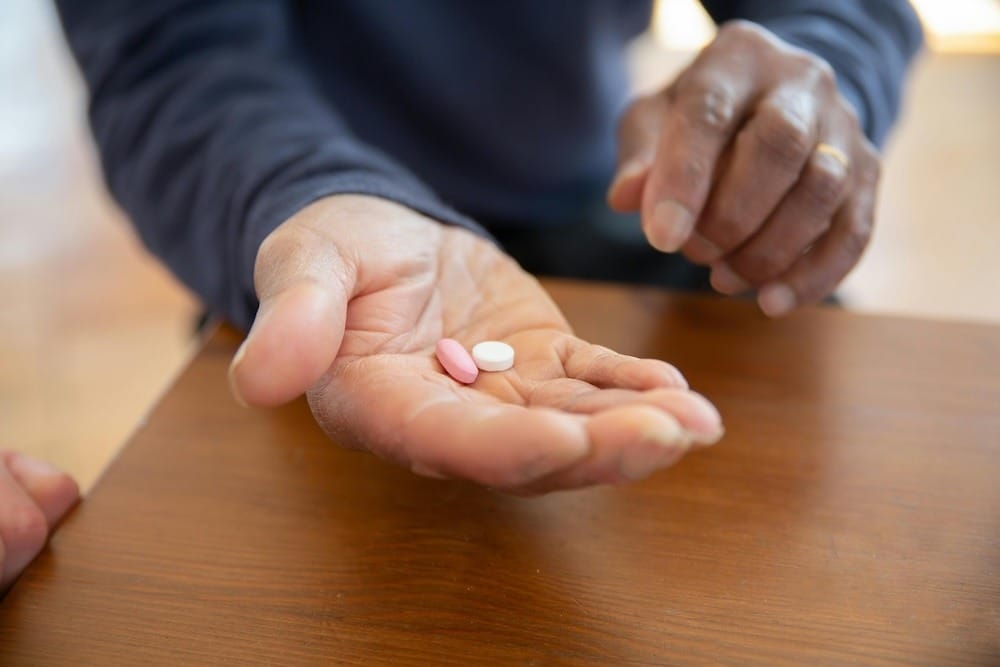
Various prescription medications are available to help people treat high cholesterol. Some are more commonly prescribed than others, but selecting the most effective medication and dosage for any given person comes down to many factors, including age, medical conditions, drug interactions, cost, access, adherence, and specific cholesterol levels.
Statin Medications
HMG-CoA reductase inhibitors, or statin medications, are a class of cholesterol-lowering medications. They work by inhibiting enzymes in the liver and slowing production of cholesterol. When effective, statin medications not only lower LDL levels, but also improve the liver’s ability to remove LDL from the bloodstream, which can help prevent plaque buildup over time.
Statin medications are the most commonly prescribed cholesterol medications worldwide. An estimated 35% of the U.S. population takes some type of statin drug. Roughly 36% to 39% of these individuals take atorvastatin, also known by the brand name Lipitor. Other frequently prescribed statin drugs include simvastatin (Zocor) and rosuvastatin (Crestor). As a first-line medication for high cholesterol, statin medications can reduce LDL levels by up to 60%.
Risks and Side Effects With Statin Medications
The most common side effects with statin medications are muscle aches. While statin medications may be the most popular medication for treating high cholesterol, these drugs are not recommended for everyone. For example, people with risk factors for diabetes, such as obesity, prediabetes, or metabolic syndrome, may slightly increase or accelerate their risk of developing type 2 diabetes if they take statin medications.
In rare cases, statin medicines have also been linked to kidney and liver damage, so it is used with caution in those with underlying disease and levels are routinely monitored during therapy. Pregnant and breastfeeding people are also advised against taking these drugs, as there is limited data available on their safety profile in these populations.
Your doctor can determine whether statin drugs are the right choice for you. If not, there are other options available for treating high cholesterol.
Cholesterol Absorption Inhibitor (Ezetimibe)
Ezetimibe, sold under the brand name Zetia, belongs to a class of medications known as cholesterol absorption inhibitors. Unlike statin drugs, which reduce how much cholesterol your liver produces, ezetimibe works to block proteins in the gut and prevent cholesterol from being absorbed into the intestine. This process can decrease cholesterol absorption in the gut by as much as 50%, which can translate to up to a 20% reduction in LDL levels in the blood.
Ezetimibe has a well-tolerated side-effect profile and does not interact with many medications, though your provider will confirm if the drug is safe for you to take. This medication is typically used as a first-line alternative in individuals who cannot tolerate statin medicines, or as an add-on therapy to help lower cholesterol levels. Studies have shown that taking ezetimibe alongside a low-dose statin medicine can effectively reduce LDL and total cholesterol as much as taking high-dose statin drugs alone.
Bile Acid Sequestrants
Bile acid sequestrants help lower LDL cholesterol levels by preventing bile acid in the intestine from being absorbed into the bloodstream. This action forces the liver to pull cholesterol from the blood to produce more bile acid, which in turn can help lower your LDL and overall cholesterol.
Commonly prescribed bile acid sequestrants include cholestyramine (Questran, Prevalite), colesevelam (Welchol), and colestipol (Colestid). They may be used alongside statin drugs or as a stand-alone treatment. For patients who are tolerant to full doses, the medication can reduce LDL by up to 30%.
Risks and Side Effects With Bile Acid Sequestrants
Bile acid sequestrants can decrease the absorption of certain medications, which can make it difficult for certain patients to use if they are on multiple prescription medications. They also can increase triglyceride levels and cause GI side effects, such as constipation. However, they may be a good option for patients with diabetes because these medications can also improve and control sugar levels.
PCSK9 Inhibitors
In recent years, PCSK9 inhibitors have emerged as an FDA-approved effective alternative to statin medications to help reduce cholesterol in those with high cardiovascular risk. These are monoclonal antibodies that are created to bind to and inhibit the PCSK9 protein, which plays a key role in cholesterol metabolism. Blocking the protein means the liver can clear more cholesterol from the blood.
The two most commonly prescribed PCSK9 inhibitors, alirocumab and evolocumab, are administered via self-injection into the subcutaneous tissue every 2 to 4 weeks. Studies have shown these drugs are potent and effective, typically reduce LDL cholesterol levels by 50% to 60% when prescribed.
PCSK9 inhibitors are effective and well-tolerated medications but are generally reserved for people who are intolerant to statin drugs, prefer less frequent medication administration to help improve medication adherence, or are high-risk patients who cannot achieve their cholesterol goals.
Providers may prescribe these medications alone or with other cholesterol medications, but they can be expensive. Talking with your provider about the risks and benefits of these medications can help determine if this medication is the best selection for you.

Fibrates
Most of the medications we’ve discussed so far play a role in lowering LDL cholesterol levels. Fibrates, on the other hand, help people manage cholesterol by primarily lowering triglyceride levels and increasing HDL (the “good”) cholesterol levels, which statin drugs and other medications typically don’t target. Commonly prescribed fibrates include fenofibrate (TriCor, Antara), gemfibrozil (Lopid), and fenofibric acid (Trilipix).
Fibrates are not typically prescribed as first-line therapy to lower LDL levels. Doctors may prescribe fibrates alongside statin drugs to raise HDL cholesterol while lowering triglyceride levels in those with significantly elevated levels. However, fibrates can increase the risk of developing gallstones and kidney dysfunction, so these medications should be used with caution.
Prescription Omega-3s
Prescription omega-3 fatty acid is another medication formulated to lower triglyceride levels. Studies have shown prescription-strength drugs under this umbrella, such as omega-3 fatty acids ethyl esters (Lovaza) and icosapent ethyl (Vascepa), can lower triglycerides.
However, these medications have not demonstrated the same efficacy for lowering LDL cholesterol levels. In fact, some medications specifically formulated with DHA and EPA omega-3 fatty acids may increase LDL levels. Doctors who prescribe DHA-based forms of this medication will typically monitor their patients to ensure LDL levels don’t get too high.
Prescription omega-3 fatty acids are FDA-approved to reduce severe triglyceride levels alongside a healthy diet. This differs from non-prescription fish oil supplements and other over-the-counter omega-3 fatty acids, which can have variable fatty acid content and the FDA does not regulate as medication.
Prescription Niacin
Prescription-strength niacin, also known as vitamin B3, works by inhibiting enzymes to alter how the liver produces cholesterol and fat in the bloodstream. High doses of prescription niacin have shown to reduce LDL cholesterol and triglycerides while raising HDL and improving total cholesterol health.
Risks and Side Effects With Niacin
Despite niacin’s efficacy for managing cholesterol, the drug is rarely prescribed for this purpose nowadays and is typically used as a last-line treatment compared to alternatives. Niacin has been linked to unpleasant side effects such as severe facial flushing (redness), skin rashes, and GI side effects such as diarrhea.
However, there are ways these side effects can be minimized, such as taking the medication with food, using an extended release form, or taking aspirin with the medication. The drug can also increase resistance to insulin, increasing blood sugars and can interfere with diabetes control.
While providers today generally recommend statin drugs as first-line treatment to patients with high cholesterol, they may prescribe niacin as an option for people who cannot tolerate statin medicines or other alternatives.
Statins: The Standard First-Line Treatment
Statin drugs are widely prescribed because they can lower LDL cholesterol levels by as much as 50% to 60% in people who are tolerant to the medication. They can also lower triglycerides, raise HDL cholesterol levels, and improve total cholesterol, as well as reduce inflammation and stabilize plaque in the arteries, which can help reduce cardiovascular risks. However, as you can see with the other medications listed above, statin medicines are not the only option for managing cholesterol.
While most people tolerate statin medications well without any major side effects, standard medical guidelines state that statin medications may be unsafe or too risky in certain individuals. Doctors normally instruct patients to stop taking statin medications while they are pregnant or breastfeeding. Since statin drugs are processed in the liver, providers may also tell patients with liver disease to avoid them, and liver enzyme levels are typically monitored before and during therapy. Additionally, there is evidence that statin medications increase the risk of type 2 diabetes in people with obesity, prediabetes, or metabolic syndrome.
It is important to have a discussion with your provider about the risks and benefits of starting new medications. In the event a person cannot or should not take statin drugs, their provider can point them toward another medication that will help them achieve their cholesterol goals.
How Providers Choose Your High Cholesterol Medication
Before choosing your high cholesterol medication, your doctor will order a complete cholesterol blood test to measure your LDL, VLDL, HDL, triglyceride, and total cholesterol levels. They also calculate your risk of heart disease or stroke using a scoring system called the Atherosclerotic Cardiovascular Disease (ASCVD) Estimator, which includes age, weight, blood pressure, and other physiological factors. Your provider uses results from the blood cholesterol test alongside your ASCVD score to determine the best medication or medications for your high cholesterol treatment course.
Statin medications are considered first-line treatment for high cholesterol. After evaluating the patient and determining if they qualify to safely take statin medicines, a doctor will pinpoint the proper dosage, depending on your risk factors. Statin drug medication and dosages are classified by intensity, which corresponds to how much the patient needs to lower their cholesterol.
High-intensity statin medications like atorvastatin and rosuvastatin are often reserved for people with heart disease who require steep LDL reduction, while those at medium risk for heart disease may be instructed to take low- or moderate-intensity statin medications like simvastatin or pravastatin instead.
If a patient cannot tolerate statin drugs, or has taken statin drugs with mixed or poor results, the doctor may explore alternate medication options like ezetimibe, bile acid sequestrants, PCSK9 inhibitors, or prescription niacin.
If the patient’s results show significantly elevated triglycerides (hypertriglyceridemia) with only moderate or slightly elevated LDL levels, the provider may choose a medication that targets lowering triglycerides, such as prescription-strength omega-3 fatty acids or fibrates to help primarily lower triglycerides.
The correct treatment depends on the patient’s levels, risk factors, and ultimate medical goals. All medication options are carefully selected based on which regimen will help to reduce the risk of cardiovascular events and other complications from untreated elevated cholesterol levels
Getting the Right Treatment Without Guessing
Ordering medication online is a convenient way to treat and manage high cholesterol without waiting for an in-person doctor’s appointment to get approval for a medication you’ve already been successfully taking. Some digital pharmacy platforms may allow you to get your preferred treatment even if your current prescription is out of refills.
For example, TelyRx works behind the scenes with independent, licensed providers who evaluate prescription requests for safety and can write a new prescription asynchronously and entirely online. Then, TelyRx fills that prescription through one of our two U.S.-based licensed pharmacies, shipping it directly to your door for added convenience.
Evaluating the legitimacy of an online platform is crucial before choosing it for your cholesterol medication needs. Look for appropriate licensure and a U.S.-based address. For example, TelyRx holds LegitScript third-party certification, full pharmacy licensure, and is headquartered in Clearwater, Florida, with licensed pharmacies in Clearwater and Dallas, Texas.
Your Next Steps
If you have high cholesterol or have a family history of high cholesterol, and are concerned about your risk of heart disease or stroke, a wide range of medications can help treat your symptoms — including statin and non-statin options.
Your provider can order a lipid blood test and calculate your ASCVD score to determine which single or combination treatment will meet your unique needs to reduce your risks. Once you know what you need, you can fill your prescription at a traditional pharmacy or embrace the convenience of a trusted digital pharmacy platform.