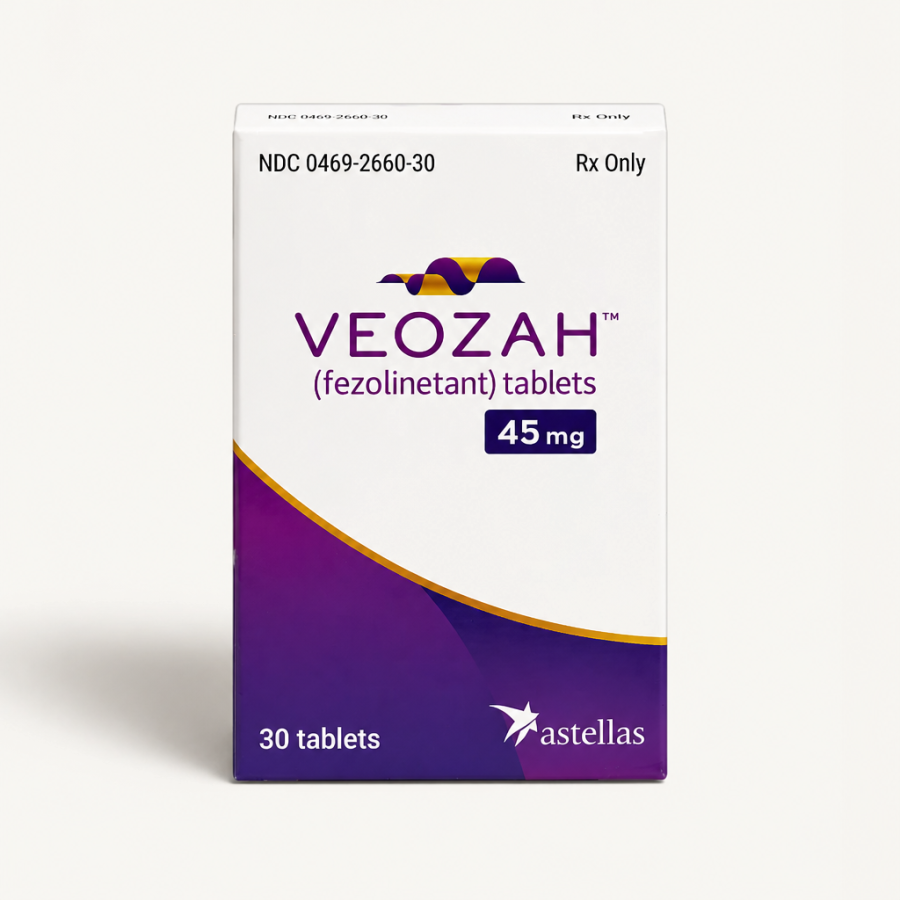
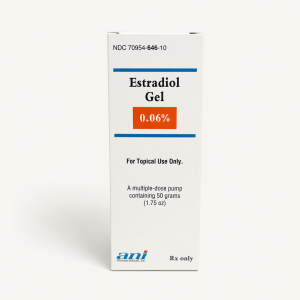
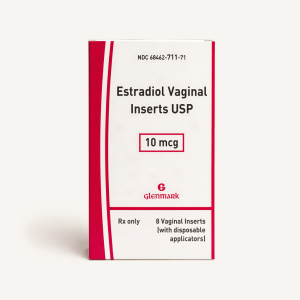
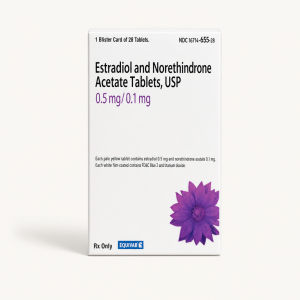
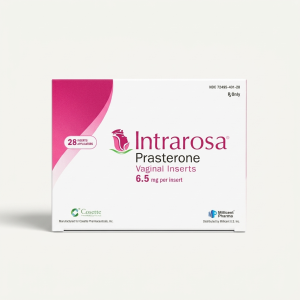
Veozah® tablets (fezolinetant) are a prescription medication approved for the treatment of moderate to severe vasomotor symptoms (VMS) of menopause, such as hot flashes and night sweats. Unlike hormone replacement therapy, Veozah is not an estrogen. It works as a neurokinin-3 (NK3) receptor antagonist, blocking a pathway in the brain that contributes to hot flashes during menopause.
By targeting this pathway, Veozah helps reduce both the frequency and severity of hot flashes, offering a non-hormonal option for women who cannot or choose not to use estrogen-based therapies.
How to Use:
Typically prescribed as one 45 mg tablet taken once daily, with or without food.
Tablets should be swallowed whole with water and not crushed, split, or chewed.
Take Veozah at the same time each day for best results.
Your healthcare provider may perform liver function tests before starting and during treatment, as liver monitoring is required.
Important Notes and Warnings:
Common side effects may include abdominal pain, diarrhea, insomnia, back pain, or hot flushes.
Veozah may affect liver function; patients should report signs such as yellowing of the skin/eyes, dark urine, or unexplained fatigue.
Not recommended for patients with severe liver impairment.
Inform your healthcare provider about all medications you are taking, as drug interactions are possible.
Veozah is not for use in women who are pregnant, breastfeeding, or who have not reached menopause.
Unlike estrogen therapies, Veozah does not carry the same risks of blood clots, stroke, or certain cancers, but long-term safety continues to be studied.
Veozah (fezolinetant) is a non-hormonal medication approved for treating moderate to severe vasomotor symptoms (hot flashes) associated with menopause. Common side effects include abdominal pain, diarrhea, insomnia, back pain, and hot flashes or hot flushes. A significant concern is the potential for rare but serious liver injury, prompting the FDA to require liver function tests before starting treatment and at months 3, 6, and 9 during therapy. Signs of liver problems may include fatigue, nausea, vomiting, itching, yellowing of the skin or eyes (jaundice), pale stools, dark urine, and upper abdominal pain. Patients experiencing these symptoms should stop taking Veozah and contact their healthcare provider immediately. Due to these risks, Veozah is not recommended for individuals with cirrhosis, severe kidney issues, or those taking certain CYP1A2 inhibitors.