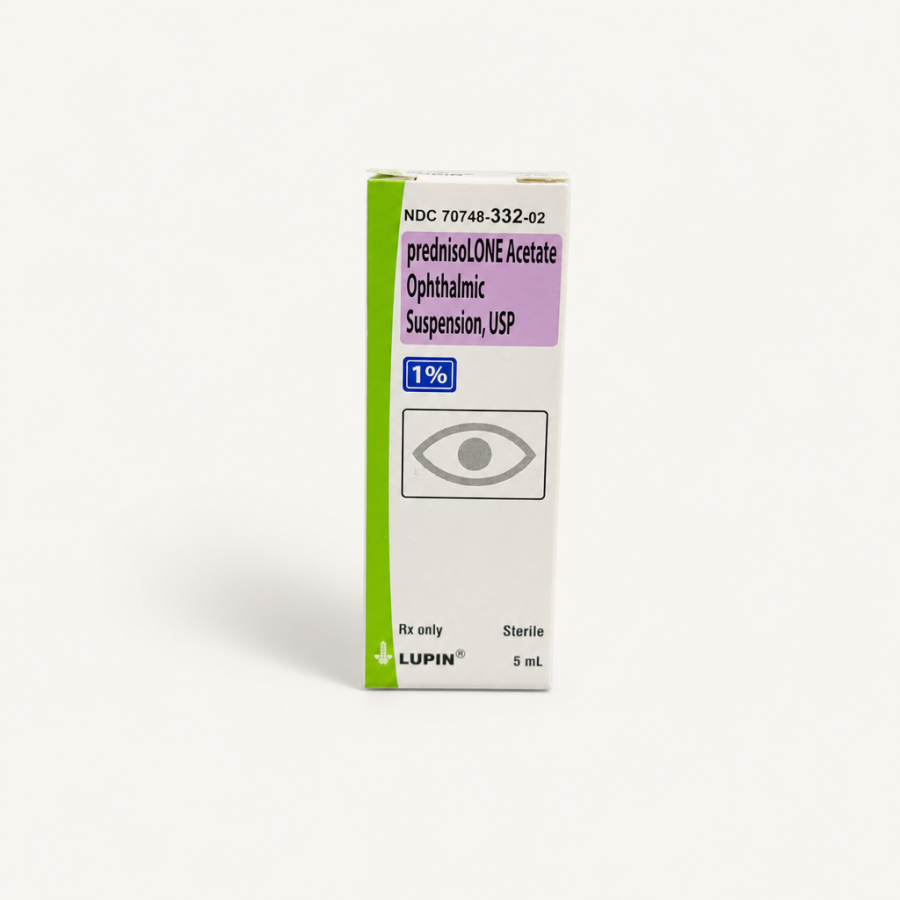
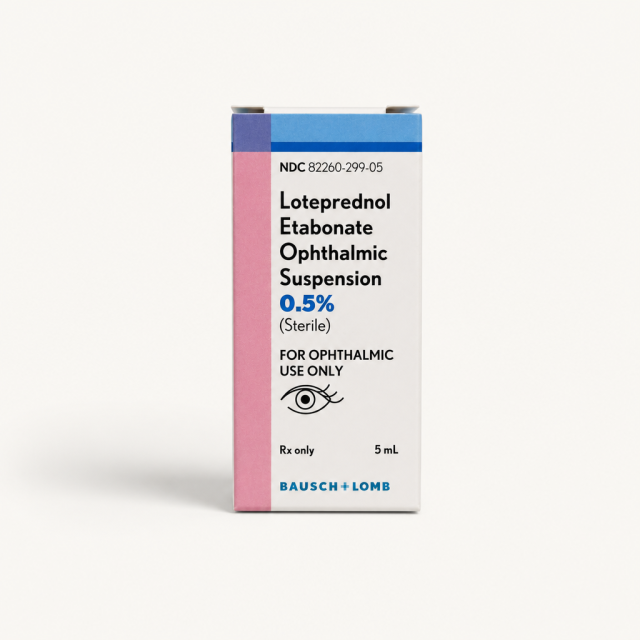
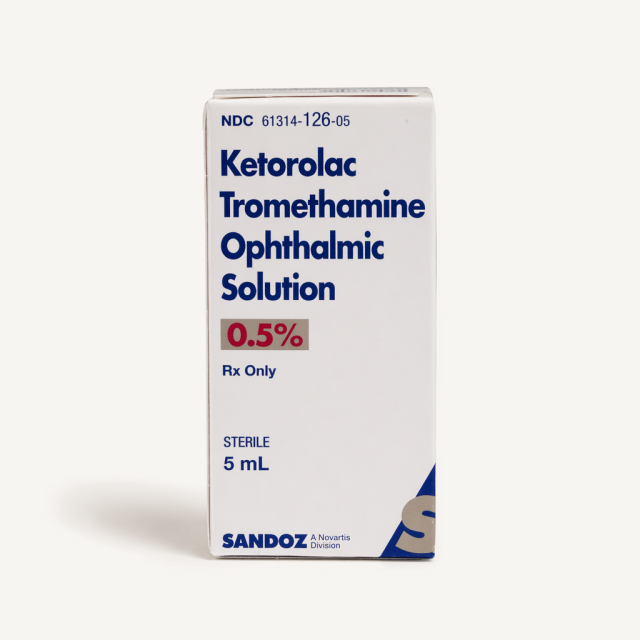
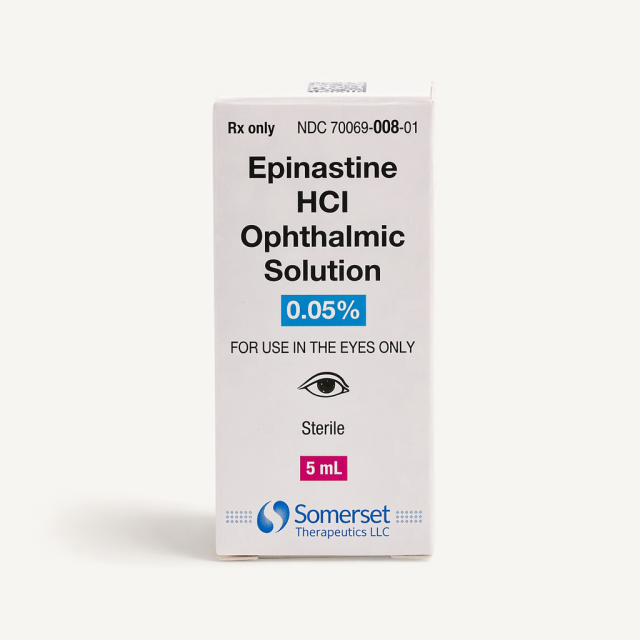
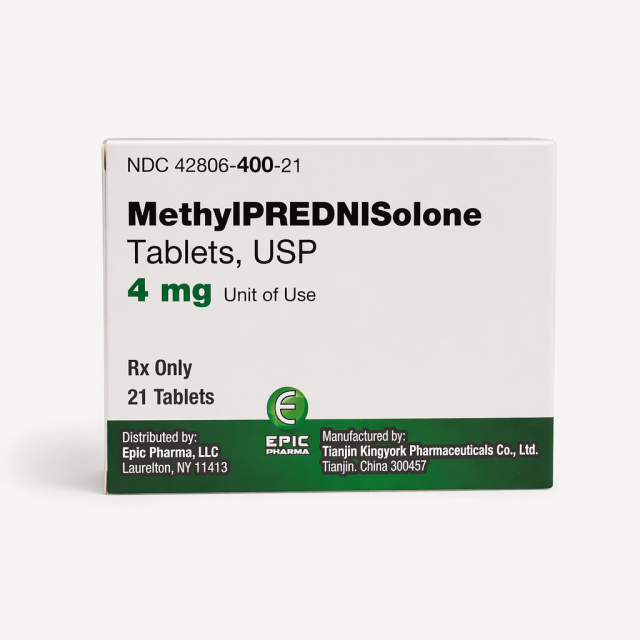
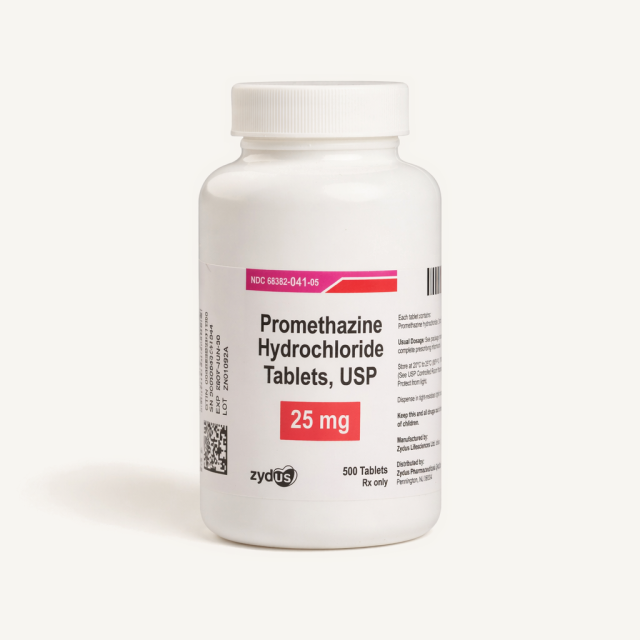
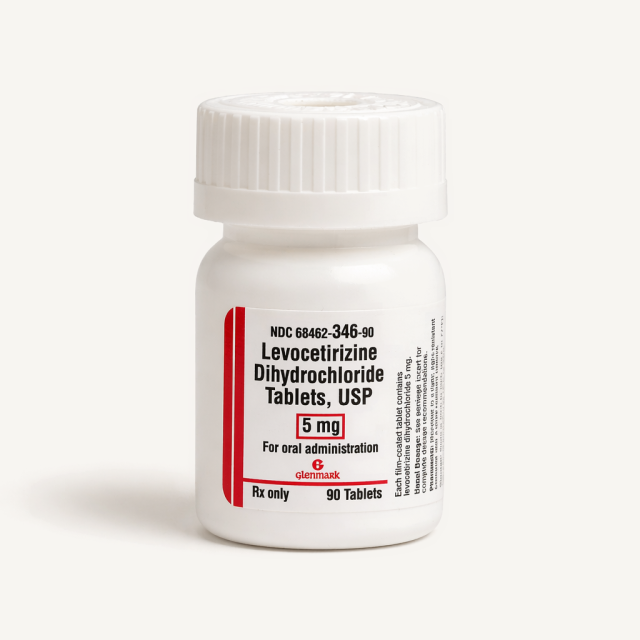
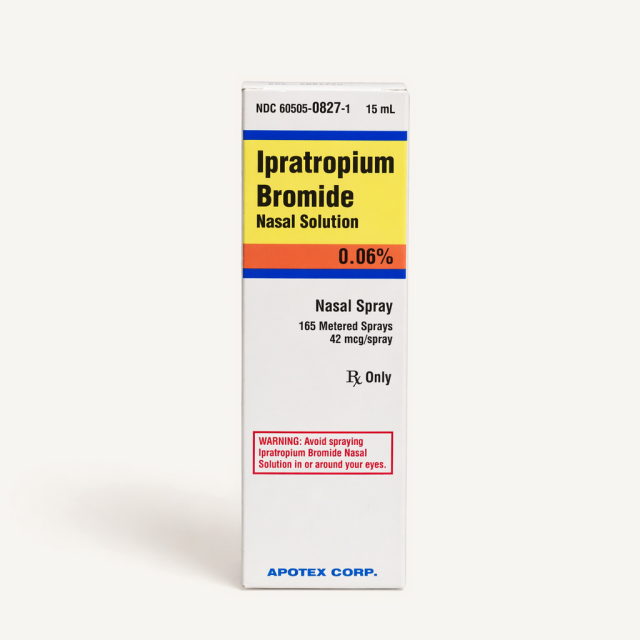
Prednisolone eye drops (Pred Forte®, Omnipred®) are a prescription corticosteroid medication commonly prescribed to reduce inflammation in the eye. They are often used after eye surgery or injury, and for conditions such as uveitis, allergic conjunctivitis, or other inflammatory eye disorders. Prednisolone works by suppressing the body’s inflammatory response, which helps relieve redness, swelling, and irritation.
These eye drops do not treat eye infections directly but may be prescribed along with antibiotics if an infection is also present.
How to Use:
Typically prescribed as 1 to 2 drops in the affected eye(s) 2 to 4 times daily.
In severe cases, dosing may be more frequent initially, then gradually tapered by your healthcare provider.
Shake the bottle well before each dose to mix the suspension evenly.
Wash hands before use and avoid touching the dropper tip to the eye or any surface.
After instilling drops, close the eye gently and press on the inner corner of the eyelid for 1 to 2 minutes to reduce systemic absorption.
Use exactly as prescribed; do not stop suddenly without medical guidance.
Important Notes and Warnings:
Long-term use may increase the risk of glaucoma (due to raised eye pressure) or cataracts. Regular eye exams may be needed for patients on extended therapy.
Prolonged use may also increase the risk of secondary eye infections, including bacterial, viral, or fungal infections.
Common side effects include temporary stinging, blurred vision, or increased sensitivity to light.
Remove contact lenses before using prednisolone eye drops. Ask your provider when it is safe to resume wearing lenses.
Inform your healthcare provider if you have a history of glaucoma, cataracts, herpes simplex eye infection, or other chronic eye conditions.
Prednisolone eye drops may cause side effects such as blurred vision, eye discomfort or irritation, and a temporary stinging or burning sensation after application. Prolonged use can increase the risk of elevated intraocular pressure, which may lead to glaucoma, optic nerve damage, or visual field loss. Other potential side effects include cataract formation, delayed wound healing, secondary eye infections (especially fungal or viral), and thinning of the cornea or sclera. If used while an existing infection is present, symptoms may be masked, worsening the condition. Patients should report any persistent pain, vision changes, or signs of infection such as redness or discharge.