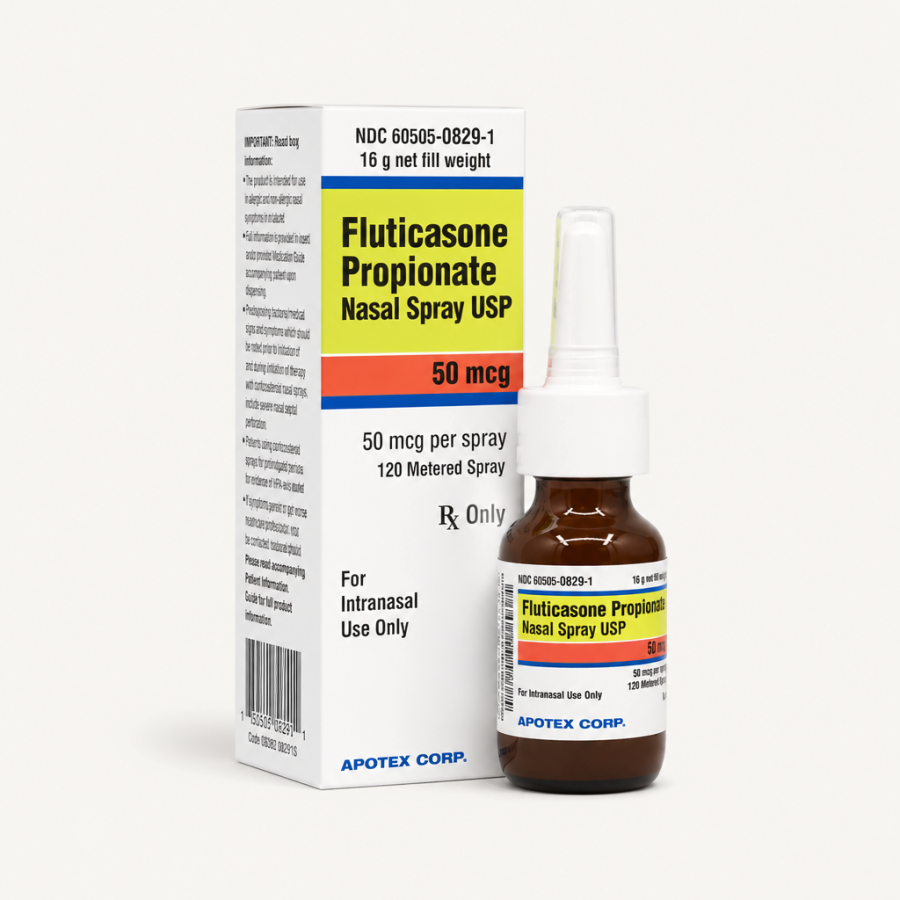
Fluticasone nasal spray is commonly used for seasonal and year round allergies, nonallergic rhinitis, and in certain prescription forms, chronic rhinosinusitis with or without nasal polyps. As a corticosteroid, it works by blocking inflammatory substances released in response to allergens, thereby easing congestion, sneezing, itching, and excess mucus production. Because of its targeted delivery into the nasal passages, fluticasone provides symptom control with minimal systemic absorption. Different branded and generic forms exist (Flonase, Veramyst, Xhance), and dosing varies by age and indication.
In treatment plans, fluticasone is often used as a maintenance therapy during allergy seasons or for chronic nasal conditions. Patients should be counseled on correct spray technique, including gentle shaking, priming before first use, and aiming the spray away from the nasal septum to reduce irritation. Full benefits may take several days of consistent use. Because fluticasone can weaken immune defenses locally, patients with recent infections, frequent nosebleeds, or recent nasal surgery or trauma should use caution. It is also important to monitor for worsening symptoms, changes in vision, or persistent nasal irritation, especially with long term use.
Common side effects of fluticasone nasal spray include minor nosebleeds, nasal burning or irritation, headache, sneezing, and sore throat, which typically improve with continued use. More serious effects may include persistent or severe nosebleeds, nasal ulcers, fungal infections, or worsening immune related issues; vision changes such as blurred vision or eye pain; or signs of adrenal suppression in rare cases. Patients should seek medical attention for severe or ongoing symptoms, allergic reactions, or signs of infection such as fever or persistent nasal sores.
This information should not be used to decide whether or not to take this medicine or any other medicine. Only a healthcare provider has the knowledge and training to decide which medicines are right for you. TelyRx does not endorse any medicine as safe, effective, or approved for treating any patient or health condition. This is only a limited summary of general information about the medicine’s uses from the patient education materials and is not intended to be comprehensive. This limited summary does NOT include all information about the possible uses, directions, warnings, precautions, interactions, adverse effects, or risks that may apply to this medicine. This information is not intended to provide medical advice, diagnosis or treatment and does not replace information you may receive from your healthcare provider. For a more detailed summary of information about the risks and benefits of using this medicine, please review the entire patient education information you receive with the medication.