

How It Works
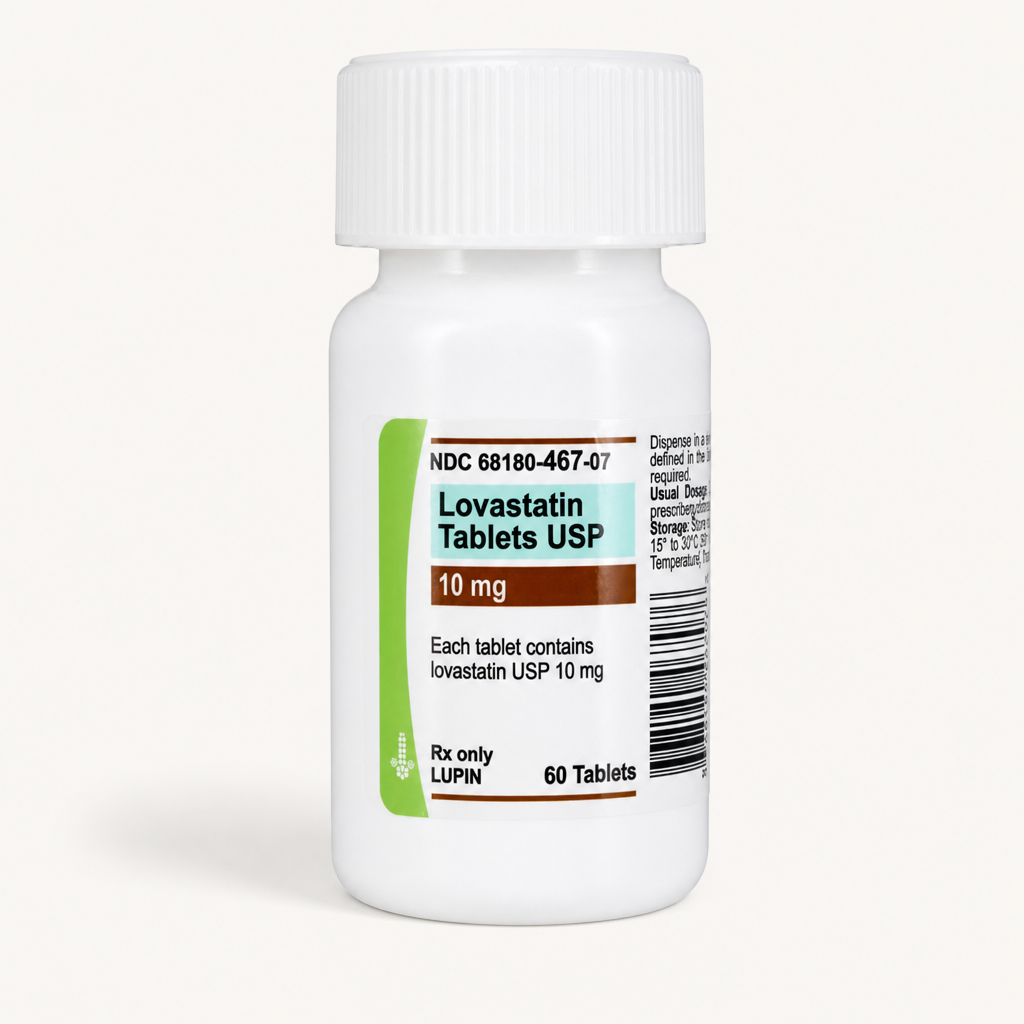
Lovastatin functions as an HMG-CoA reductase inhibitor. HMG-CoA reductase is an enzyme in the liver that plays a role in cholesterol synthesis. Lovastatin blocks this enzyme, which slows the production of cholesterol.
When the liver produces less cholesterol, it increases the number of LDL receptors on its surface to reabsorb LDL cholesterol and remove it.
The dual action of decreasing production while increasing removal results in a drop in circulating cholesterol levels.
| Quick Facts | |
|---|---|
| Common Brands | Mevacor (discontinued) |
| Drug Class | HMG-CoA reductase inhibitor (statin) |
| Generic Status | Generic version available |
| Availability | Prescription only |
Dosing
Lovastatin is an oral medication typically taken once daily. Lovastatin comes in several dosage strengths:
- 10 mg
- 20 mg
- 40 mg
- 60 mg (extended-release only)
The recommended starting dose for most adults is 20 mg. If a smaller reduction in cholesterol is required, a provider may begin treatment at 10 mg once daily. Your healthcare provider may adjust this dose every four weeks based on your lipid panel results. The maximum recommended dose is 80 mg per day.
Standard guidelines suggest taking the immediate-release tablet with your evening meal. Because the body’s production of cholesterol is highest at night, evening dosing allows the medication to work when it is needed most.
If you are prescribed the extended-release version (Altoprev), it is usually taken at bedtime.
Note: Dosing information below is educational only. Your prescribing physician will determine your specific dose based on your individual health needs. Always follow your healthcare provider’s instructions for exact dosing.
Uses
FDA-Approved Uses
Lovastatin is FDA-approved for the following:
- Treatment of primary high LDL cholesterol (hypercholesterolemia) to reduce the risk of heart attack
- Slowing the progression of coronary atherosclerosis in patients with coronary heart disease
- Primary prevention of cardiovascular disease in individuals with average to moderately elevated cholesterol who are at high risk for a first heart attack
Off-Label Uses
You may see lovastatin prescribed for uses that are not “FDA-approved.” This is a common and legal practice called “off-label” prescribing, where a doctor uses their clinical judgment to prescribe a drug for a different (but well-researched) purpose.
- Vascular health in specific populations: Providers may use lovastatin to manage lipid levels in patients with specific metabolic or kidney conditions that do not strictly meet the standard diagnostic criteria for primary hypercholesterolemia.
Side Effects
Like all medications, lovastatin can cause side effects. Many common symptoms are mild and improve over time as the body adjusts to the medication. However, other reactions can be more significant and require medical attention or a consultation with a provider to ensure the treatment remains safe and effective for the individual.
Common Side Effects
- Headache
- Muscle aches or spasms
- Stomach pain or cramping
- Constipation
- Diarrhea
- Gas
- Indigestion
- Nausea
- Dizziness
- Stuffy or runny nose
Serious Side Effects
Serious side effects are rare, but it’s important to know what to look for if they do occur. Call your doctor if you experience:
- Severe muscle breakdown (rhabdomyolysis): Intense muscle pain, weakness, and dark-colored urine can be signs of this condition and may lead to kidney damage.
- Liver damage (hepatotoxicity): Symptoms may include yellowing of the skin or eyes (jaundice), dark urine, upper right abdominal pain, or unusual fatigue.
- Serious allergic reaction (anaphylaxis or angioedema): This may involve swelling of the face, tongue, or throat, hives, and difficulty breathing.
- High blood sugar (hyperglycemia): Elevated glucose levels may be noticed through increased thirst or frequent urination.
- Severe skin reactions (Stevens-Johnson syndrome): This disorder includes blistering, peeling, or a painful red skin rash.
Call your doctor immediately if you experience any concerning or prolonged symptoms.
Pharmacist Tips
Avoid Grapefruit
Staying away from grapefruit and grapefruit juice is recommended because they can increase the drug’s concentration in your blood, raising the risk of muscle damage.
Stay Consistent
Take the tablet at the same time every evening to maintain a steady level of the medication in your body.
Swallow Tablets Whole
Do not crush, chew, or break the tablets. Swallow it whole to ensure the medication is released correctly.
Monitor Muscle Health
Report any unexplained muscle tenderness or weakness to a provider, particularly if accompanied by a fever.
Limit Alcohol
Restrict alcohol consumption because heavy drinking can increase the strain on your liver while taking a statin medication.
Drug Interactions
Lovastatin has several significant interactions that require careful management by a healthcare provider or avoidance entirely.
- Antifungals: Medications such as ketoconazole or itraconazole are not recommended to be used with lovastatin.
- Antibiotics: Certain antibiotics, such as erythromycin and clarithromycin, can interfere with the breakdown of lovastatin, increasing the risk of side effects and are often not recommended to be used together.
- Other cholesterol drugs: Taking lovastatin with fibrates (like gemfibrozil or fenofibrate) or high doses of niacin can increase the risk of severe muscle problems. The combination is typically avoided.
- Heart medications: Drugs such as amlodipine, amiodarone, diltiazem, and verapamil may require a lower lovastatin dose to ensure safety.
- Warfarin: Lovastatin can slightly increase the effects of blood thinners, requiring more frequent monitoring of clotting times.
- Grapefruit: This fruit, including grapefruit juice, inhibits the enzyme that metabolizes lovastatin, potentially leading to toxic levels of the drug in the body.
Always give your doctor and pharmacist a complete list of all your medications, vitamins, and supplements to check for potential interactions.
FAQs
How long does it typically take for lovastatin to noticeably lower LDL cholesterol numbers?
Initial improvements in cholesterol levels are often visible on lab tests within two weeks of starting the medication. However, it generally takes 4 to 6 weeks of daily use to see the full lipid-lowering effect of your prescribed dose.
Is it normal to experience muscle aches after starting this pill?
While most people tolerate the medication well, a small percentage may experience mild muscle aches. However, severe or unexplained muscle pain or weakness should always be reported to a provider, as they will need to rule out more serious muscle conditions.
Can lovastatin cause my blood sugar to rise or trigger type 2 diabetes?
Research suggests that statin medications can lead to a slight increase in blood sugar levels in some patients. More frequent glucose monitoring is recommended if you are at risk for diabetes.
Does this medication clear out the plaque already inside my arteries, or just stop new plaque from forming?
The primary role of lovastatin is to slow the progression of atherosclerosis and prevent new plaque from developing. While it is less common for statin medicines to “clear out” old, hardened plaque, they can help stabilize existing plaques, making them less likely to rupture and cause a heart attack.
Can I safely drink alcohol with dinner if I take my pill right afterward?
Standard guidelines suggest limiting alcohol intake. Heavy alcohol use increases the risk of liver irritation. It is best to discuss your specific habits with your healthcare provider.
Will I still need to follow a strict low-cholesterol diet while taking lovastatin?
Yes, lifestyle modifications remain a cornerstone of treatment. Lovastatin is designed to complement, not replace, a heart-healthy diet. Maintaining a diet low in saturated fats and high in fiber helps the medication work more effectively.
How does lovastatin compare to atorvastatin or rosuvastatin?
Lovastatin is generally considered a low- to moderate-intensity statin medication. Atorvastatin and rosuvastatin are high-intensity statin medications, meaning they can lower LDL cholesterol by a greater percentage for more severe cases.
Is it safe to use over-the-counter pain relievers for the muscle aches this causes?
If you experience muscle aches, consult with your provider before self-treating with pain relievers. They will want to ensure the pain is not a sign of a serious side effect before recommending any additional medication.
Are generic lovastatin tablets just as effective as brand name Mevacor?
Generic medications are required by the FDA to have the same active ingredient, strength, and effectiveness as the brand-name version. While the brand name Mevacor is no longer sold in the United States, the generic lovastatin available today is therapeutically equivalent. This means it provides the same clinical benefits for managing cholesterol levels at a typically lower cost.
Does lovastatin interact with antibiotics or antifungal pills?
Yes, lovastatin has major interactions with several antibiotics (such as clarithromycin) and antifungals (such as ketoconazole). These combinations can cause the level of lovastatin in your blood to spike, significantly increasing the risk of muscle injury and are typically contraindicated.
Is it safe to continue taking this medication if I am pregnant or actively trying to conceive?
Lovastatin is not recommended for use during pregnancy, as it may cause harm to a developing fetus. If you are planning to become pregnant or find out that you are pregnant, you should stop the medication and contact your provider immediately.
Will I experience a rebound spike in cholesterol if I run out of pills and stop taking this?
Stopping the medication will cause your cholesterol levels to return to their previous baseline, usually within a few weeks. This is not necessarily a “rebound” but rather the loss of the medication’s suppressive effect on your liver’s cholesterol production.
Comparable Medications
Lovastatin vs Atorvastatin (Lipitor), Rosuvastatin (Crestor), Pravastatin (Pravachol), Ezetimibe (Zetia), or Fenofibrate (Tricor)?
Atorvastatin
From $26.99
Atorvastatin is a more potent statin medicine than lovastatin. While lovastatin is commonly used for moderate elevations in cholesterol, atorvastatin is classified as a high-intensity statin medication that can lower LDL by more than 50%.
Rosuvastatin
From $22.99
Rosuvastatin is currently one of the most powerful statin medications available. Like atorvastatin, it is a high-intensity medication. It is often preferred for patients who need aggressive cholesterol reduction or those who have had side effects with other statins, as it is processed by the body differently than lovastatin.
Pravastatin
From $24.99
Pravastatin is similar to lovastatin in terms of intensity, both being low-to-moderate options. However, pravastatin is hydrophilic (water-soluble), whereas lovastatin is lipophilic (fat-soluble). Because it does not cross cell membranes as easily, pravastatin may sometimes be recommended for patients who experience muscle aches or cognitive side effects on lovastatin.
Ezetimibe
From $24.99
Ezetimibe works differently from lovastatin. While lovastatin stops the liver from making cholesterol, ezetimibe stops the intestines from absorbing cholesterol from food. Providers often prescribe these two together if lovastatin alone is not enough to reach a patient's target cholesterol goals.
Fenofibrate
From $24.99
Fenofibrate belongs to the fibrate class rather than the statin class. Its primary strength is lowering triglycerides and raising HDL, rather than lowering LDL. While it is sometimes used alongside statin medications, combining fenofibrate with lovastatin requires close medical supervision due to an increased risk of muscle damage and is generally avoided.
We Have Lovastatin in Stock. Get Yours Today!
Important: Information on this page is for educational purposes only. Prescribing decisions are made by independent, licensed providers. TelyRx operates technology-enabled pharmacies and a telehealth platform that connects patients with licensed providers. Prescriptions, when provider-approved and issued, are filled and shipped by TelyRx-affiliated pharmacies. We do not employ physicians or make prescribing decisions. Learn more about our editorial standards here.