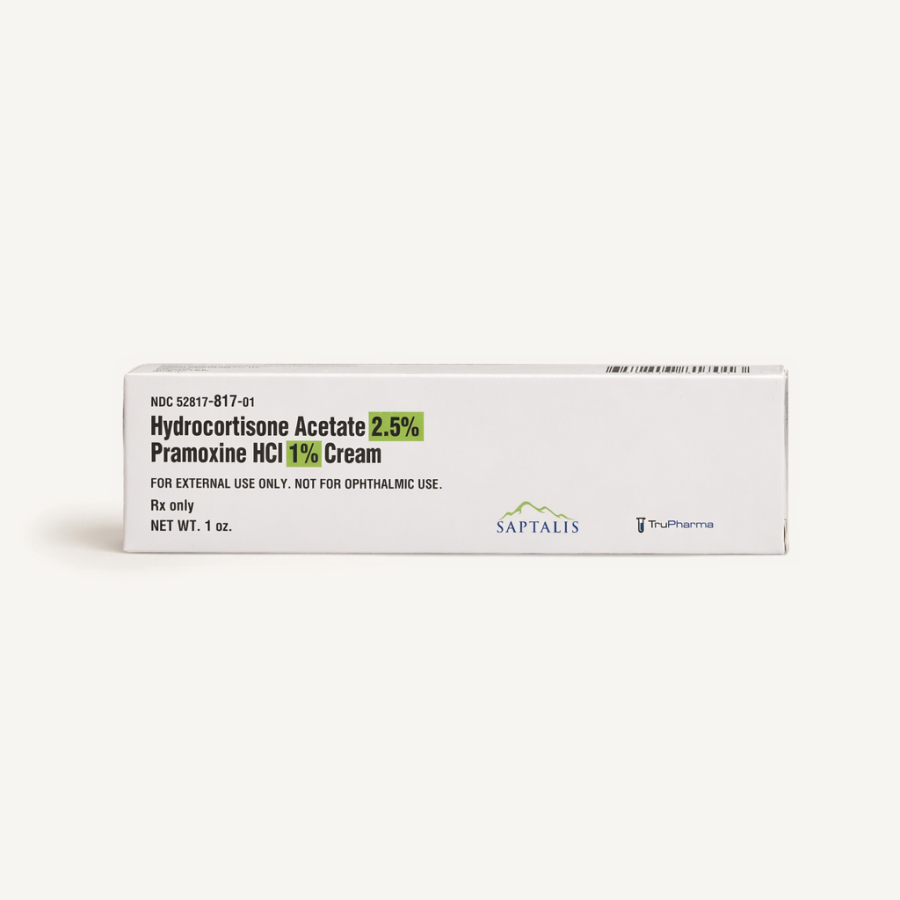
How It Works
Hydrocortisone-pramoxine is a dual-mechanism medication:
- Hydrocortisone: This is a low-potency steroid that enters skin cells and inhibits the production of chemicals the body produces to trigger inflammation. It shrinks blood vessels to reduce puffiness and reduces local immune response by preventing white blood cells from overreacting to irritants or injury.
- Pramoxine: This helps prevent nerve endings from sending signals to the brain that may trigger itchiness and pain. This creates a numbing sensation within 3 to 5 minutes. Pramoxine helps break the “itch-scratch” cycle that impedes skin or rectal tissue from healing after inflammation.
| Quick Facts | |
|---|---|
| Common Brands | Analpram HC, Pramosone, Proctofoam HC, Epifoam, Enzone |
| Drug Class | Corticosteroid/local anesthetic combination |
| Generic Status | Generic version available |
| Availability | Prescription only |
Dosing
Dosing recommendations vary based on the patient’s medical history and the nature of the symptoms.
- Frequency: Per standard guidelines, patients are usually advised to apply the medication three to four times per day.
- Application (external): For skin conditions such as eczema and external hemorrhoids, providers generally recommend applying the topical medication in a thin layer to the affected area and rubbing it in gently.
- Application (internal): When using hydrocortisone-pramoxine cream for internal hemorrhoids, patients are advised to apply it with the rectal pipe device included with their medication. It is recommended to lubricate the applicator pipes with a small amount of cream before inserting it.
- Quantity: Standard guidelines emphasize using the smallest amount necessary to cover the affected area. A larger amount is not necessarily more effective, but can increase the patient’s risk of systemic absorption and side effects.
- Duration: Standard guidelines recommend that patients limit their use of hydrocortisone-pramoxine to no longer than 14 consecutive days. After this time, providers generally request a clinical re-evaluation to ensure the patient does not have a more serious infection or underlying condition.
Note: Dosing information below is educational only. Your prescribing physician will determine your specific dose based on your individual health needs. Always follow your healthcare provider’s instructions for exact dosing.
Uses
FDA-Approved Uses
Hydrocortisone-pramoxine is FDA-approved to relieve chronic or acute itching in the anal region. The FDA also approved this drug to manage inflammation and itching from corticosteroid-responsive skin conditions, such as eczema and psoriasis. Additionally, it helps alleviate the swelling and discomfort associated with internal and external hemorrhoids.
Off-Label Uses
You may see hydrocortisone-pramoxine prescribed for uses that are not “FDA-approved.” This is a very common and legal practice called “off-label” prescribing. In these cases, a doctor uses their clinical judgment to prescribe a drug for a different, well-researched purpose.
Common off-label uses for hydrocortisone-pramoxine currently found in clinical research and practice include:
- Anal fissures: Hydrocortisone-pramoxine can reduce the pain and spasms associated with small tears in the lining of the anus.
- Proctitis: The drug can be used off-label to treat proctitis, an inflammation of the rectal lining commonly seen in people with inflammatory bowel disease.
- Severe poison ivy/sumac: In cases where exposure to poison ivy or sumac causes itching so intense that it disrupts sleep, pramoxine may be prescribed off-label to reduce discomfort.
Side Effects
Hydrocortisone-pramoxine may cause localized side effects on or around the area where the topical is applied.
Common Side Effects
Common side effects from using hydrocortisone-pramoxine topical medication include:
- Mild burning or stinging
- Dryness or peeling that persists for several days
- Small, red, itchy bumps around hair follicles in the treated area (folliculitis)
- Tinging, crawling, or itching effect from the pramoxine’s numbing sensation
Serious Side Effects
Serious side effects are rare, but it’s important to know what to look for if they do occur. Serious side effects from using hydrocortisone-pramoxine can include:
- Skin atrophy: Using the topical for more than 14 consecutive days increases the risk of skin atrophy, which can make the skin look shiny or thin in certain areas.
- Adrenal suppression: Using hydrocortisone-pramoxine over a large surface area or under plastic wrap can cause the body to stop producing the hormone cortisol. This can lead to muscle fatigue, muscle weakness, loss of appetite, and unexplained weight loss.
- Cushing’s syndrome: Hydrocortisone-pramoxine increases the risk of developing Cushing’s syndrome. This condition includes symptoms such as rapid weight gain in the midsection and facial puffiness that causes a “moon-like” appearance.
- Secondary infection: Corticosteroids like hydrocortisone can mask and potentially promote the growth of fungal or bacterial infections if the area of application is already infected.
Call your doctor immediately if you experience any concerning or prolonged symptoms.
Pharmacist Tips
Practice Good Hygiene
It is recommended to always wash your hands before and after applying hydrocortisone-pramoxine topical medication. This helps prevent the spread of bacteria to sensitive rectal tissue.
Avoid Occlusion
Occluding, or covering, the affected area with an airtight seal can increase the potency of the drug’s steroid and lead to rapid skin thinning. Patients are advised not to use bandages or plastic wrap on the application area.
Shake the Bottle
If you are using hydrocortisone-pramoxine in lotion or foam form, shake the bottle vigorously before application. This allows the medication to mix properly.
Keep The Applicator Clean
If you are using hydrocortisone-pramoxine with a rectal pipe, it is imperative to clean the applicator after each use with mild soap and warm water, then dry it thoroughly. Per standard guidelines, patients are advised to never share their applicator with anyone else.
Drug Interactions
Since hydrocortisone-pramoxine is a topical treatment, the likelihood of this drug interacting with oral medications is low but still possible. Known interactions with hydrocortisone-pramoxine include:
- Other topical steroids: Using hydrocortisone-pramoxine alongside other topical steroid medications can increase your risk of thinning skin (atrophy) and adrenal suppression.
- “Caine” anesthetics: Patients are advised to exercise caution when using numbing agents like lidocaine patches alongside hydrocortisone-pramoxine. While rare, combining these drugs can increase the patient’s systemic anesthetic load and make them more likely to experience associated side effects.
Always give your doctor and pharmacist a complete list of all your medications, vitamins, and supplements to check for potential interactions.
FAQs
Why is hydrocortisone-pramoxine better for hemorrhoids instead of over-the-counter Preparation H?
Standard Preparation H contains phenylephrine, a vasoconstrictor, which can be helpful for mild hemorrhoids. However, hydrocortisone-pramoxine has a higher steroid concentration and a local anesthetic to numb the affected area, allowing the medication to reduce swelling more effectively and decrease pain during treatment.
How do I use the plastic applicator to insert the cream?
Per standard guidelines, patients are advised to attach the applicator to the medication tube, dispense the topical until it has covered the applicator’s tip, and gently insert the applicator into the rectum. Once the applicator is inserted, patients can squeeze the tube to coat the rectal canal, then withdraw the applicator.
Why is there a rule against using this medication for more than 14 days in a row?
Even mild steroids like hydrocortisone can cause permanent skin thinning if used for too long on a daily basis. Additionally, providers usually order a clinical re-evaluation if the topical has not effectively cleared up the patient’s symptoms within 14 days.
Does hydrocortisone-pramoxine actually shrink the hemorrhoids, or just stop the pain?
Hydrocortisone-pramoxine shrinks the hemorrhoids and reduces pain. Pramoxine is a local anesthetic that reduces pain and itching, while hydrocortisone helps shrink swollen blood vessels and reduce the size of the hemorrhoids.
Can I use this medication to treat a sunburn or poison ivy?
Pramoxine can relieve itching associated with poison ivy and is commonly prescribed off-label for this usage. However, standard guidelines advise against using this topical to treat sunburn. The heat and damage of sunburn can interfere with how the topical is absorbed.
Is it safe to use this cream on sensitive groin areas?
Providers typically advise patients to use hydrocortisone-pramoxine sparingly on the groin, as this area has thin skin that can more easily atrophy. If patients must use this drug to treat areas around their groin, small amounts of topical over a short duration are usually recommended.
What is the difference between hydrocortisone-pramoxine and Proctofoam HC?
The active ingredients of hydrocortisone-pramoxine and Proctofoam HC are identical. Hydrocortisone-pramoxine is the generic version of the drug and can come in different forms, while Proctofoam HC is a brand-name aerosol foam.
Can I apply this medication to bleeding hemorrhoids?
If you notice minor bleeding from hemorrhoids with bright red spotting on tissue, hydrocortisone-pramoxine is generally considered safe to use. However, significant or dark bleeding warrants a consultation with your provider before using this medication.
Why must I wash my hands immediately after putting this on?
Since pramoxine is a numbing agent, it can cause temporary, potentially dangerous numbness if it comes into contact with the eyes or tongue. Thoroughly washing your hands before and after application also helps prevent the spread of bacteria to sensitive tissue in the affected treatment area.
Is it safe to use this medication if I am pregnant or postpartum?
Clinical studies suggest hydrocortisone-pramoxine for hemorrhoids does not cause harm to the mother or fetus when used during pregnancy, but patients are advised to talk to their doctor or OB/GYN before using this medication or any other new drug while pregnant or in the postpartum phase.
How long does it actually take for the pramoxine to start numbing the pain and itching?
Patients usually notice numbness and a decrease in pain within 3 to 5 minutes of applying hydrocortisone-pramoxine.
How do I clean the rectal applicator after every use?
Per standard guidelines, patients can clean their rectal applicator after each use with warm, soapy water. You can also wipe the tip of the applicator with rubbing alcohol, but thorough rinsing and drying before the next use helps prevent irritation.
Why does the cream sometimes burn after I apply it?
Some noticeable but brief burning is an expected side effect of using hydrocortisone-pramoxine, but severe or long-lasting burning may indicate an allergy to one of the drug’s ingredients.
Do I still need to take stool softeners if this cream stops the pain?
Yes, patients are advised to continue taking stool softeners even if hydrocortisone-pramoxine cream stops the pain. The cream is meant to relieve symptoms, not to treat the straining associated with constipation or other conditions that warrant a stool softener. If you have hard stools or strain during bowel movements, the hemorrhoids may continue to flare up after you’ve stopped using the hydrocortisone-pramoxime cream.
Comparable Medications
Hydrocortisone-Pramoxine, Analpram HC, Proctofoam HC, Preparation H, or Clobetasol/Betamethasone?
Hydrocortisone-pramoxine is a combination topical drug that helps relieve inflammation and reduce pain associated with conditions like hemorrhoids, eczema, and psoriasis. Your doctor may recommend a specific form of the medication or an alternative to hydrocortisone-pramoxine based on your medical history and severity of symptoms. Hydrocortisone-pramoxine options and alternatives include:
Analpram HC
Analpram HC is a brand-name version of the generic hydrocortisone-pramoxine combination drug. They are identical in therapeutic effect, but patients may opt for the generic version due to its lower price.
Proctofoam® HC
From $279.99
Proctofoam HC is an aerosol foam formulation of hydrocortisone-pramoxine, usually reserved for internal hemorrhoids. The foam expands once it is released into the rectum.
Preparation H
Preparation H is an over-the-counter vasoconstrictor medication usually used to treat mild to moderate hemorrhoids. Hydrocortisone-pramoxine is prescription-strength and often recommended if over-the-counter options are not treating the patient's issues after 7 days of continuous use.
Betamethasone
From $36.99
Both betamethasone and clobetasol are prescription steroids that are normally not recommended for treating rectal issues due to the high risk of skin thinning. Hydrocortisone-pramoxine still carries a risk of causing skin atrophy, but if the topical is applied in small amounts for a short duration under a doctor's supervision, this risk is much lower.
We Have Hydrocortisone in Stock. Get Yours Today!
Important: Information on this page is for educational purposes only. Prescribing decisions are made by independent, licensed providers. TelyRx operates technology-enabled pharmacies and a telehealth platform that connects patients with licensed providers. Prescriptions, when provider-approved and issued, are filled and shipped by TelyRx-affiliated pharmacies. We do not employ physicians or make prescribing decisions. Learn more about our editorial standards here.