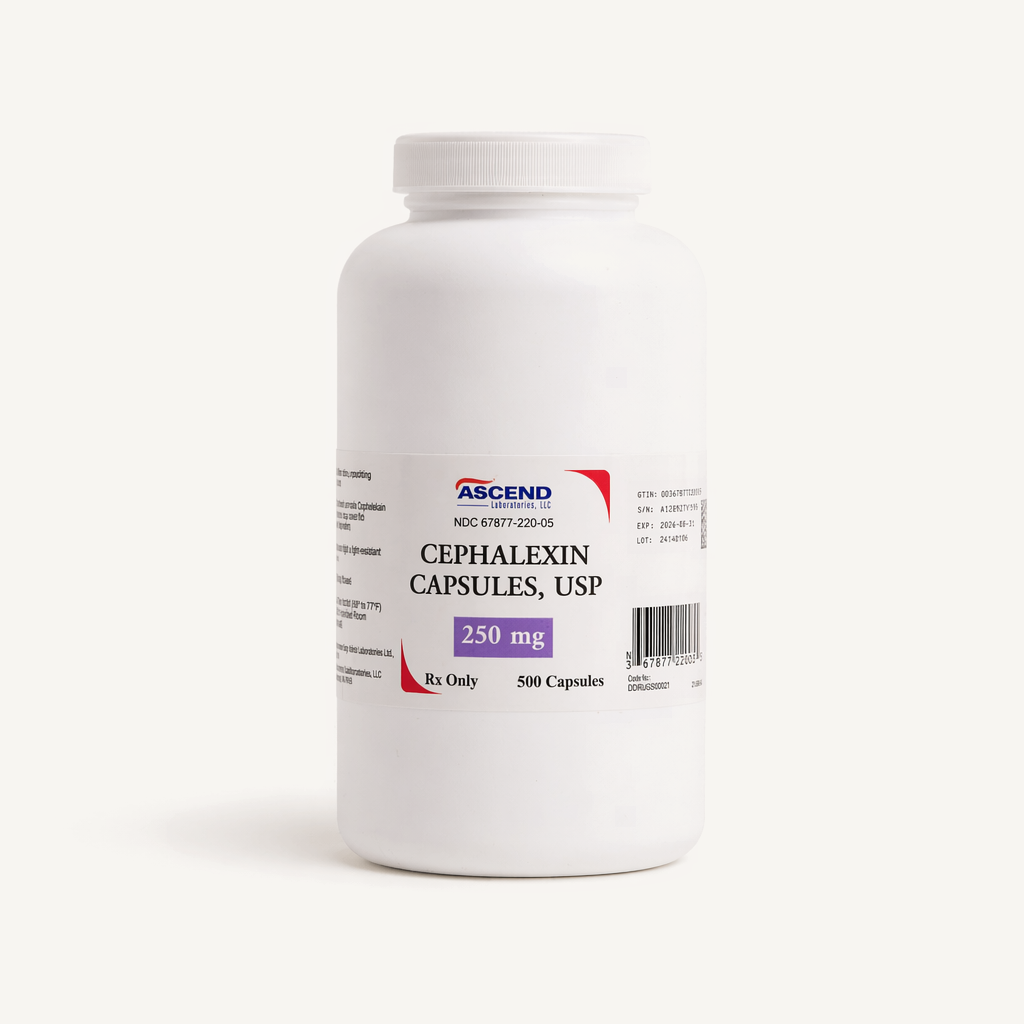
How It Works
Cephalexin kills susceptible bacteria by interfering with the formation of their cell walls. The medication is absorbed through the gastrointestinal tract and distributed through the bloodstream to the site of the infection.
Although cephalexin begins working soon after it is given, it may take several days before your dog’s symptoms noticeably improve. Be sure to give the medication for the full prescribed course, even if your dog appears to be feeling better.
| Quick Facts | |
|---|---|
| Common Brands | Rilexine, Keflex |
| Drug Class | First-generation cephalosporin antibiotic |
| Generic Status | Generic version available |
| Availability | Prescription only |
Dosing
Cephalexin is an oral medication that is typically administered every 8 to 12 hours depending on the severity of the infection. Standard guidelines suggest giving the capsules with food to reduce the risk of stomach upset. If a dog misses a dose, the caretaker should give the dose as soon as they remember.
However, if the next scheduled dose is within the same day, skip the missed dose to avoid doubling up. The drug comes in several common strengths to allow for accurate dosing based on the weight of the animal:
- 250 mg capsules
- 500 mg capsules
- 750 mg capsules
Veterinarians calculate the specific amount based on the dog’s body weight and the type of infection being treated. For skin infections, the treatment course may last for several weeks. It is vital to complete the entire course of the medication even if the dog appears to be fully recovered.
Stopping the drug early can lead to the return of the infection or the development of antibiotic resistance. This makes future infections harder to treat. Consistent dosing ensures the medication remains at effective levels in the bloodstream throughout the treatment period.
Note: Dosing information below is educational only. Your prescribing veterinarian will determine your specific dose based on your pet’s individual health needs. Always follow your veterinarian’s instructions for exact dosing.
Uses
FDA-Approved Uses
Cephalexin is FDA-approved for the following conditions in dogs:
- Treatment of skin infections (secondary superficial pyoderma) caused by susceptible strains of Staphylococcus pseudintermedius.
- Management of skin and soft tissue infections such as abscesses and wound infections.
Off-Label Uses
You may see cephalexin prescribed for uses that are not “FDA-approved.” This is a common and legal practice called “off-label” prescribing, where a veterinarian uses their clinical judgment to prescribe a drug for a different (but well-researched) purpose.
Vets may prescribe this medication off-label for the following conditions:
- Urinary tract infections (UTIs): Veterinarians frequently use cephalexin to treat bacterial infections of the bladder and kidneys.
- Bone and joint infections: The drug is sometimes used to treat osteomyelitis or joint fluid infections due to its ability to penetrate these tissues.
- Respiratory infections: Cephalexin may be prescribed to manage certain types of pneumonia or upper respiratory tract issues.
Side Effects
Like all antibiotics, cephalexin can cause side effects as the animal’s body adjusts to the medication. While many dogs tolerate the treatment well, monitoring for changes in behavior or physical health is important. Most adverse reactions are mild and involve the digestive system.
Common Side Effects
- Vomiting
- Diarrhea or loose stools
- Decreased appetite
- Drooling or nausea
- Increased panting or breathing rate
- Lethargy or tiredness
- Excitability
Serious Side Effects
Serious side effects are rare, but it’s important to know what to look for if they do occur. Call your veterinarian if your dog experiences:
- Severe allergic reaction (anaphylaxis): Intense facial swelling, hives, or difficulty breathing can indicate a dangerous reaction to the medication.
- Kidney injury (nephrotoxicity): Signs may include a significant change in the frequency of urination or the presence of blood in the urine.
- Liver issues (hepatotoxicity): Symptoms include the yellowing of the skin or the whites of the eyes, also known as jaundice.
- Severe skin reactions (erythema multiforme): Rare cases may involve the development of widespread rashes, blisters, or skin peeling.
- Behavioral changes: In rare instances, the medication may cause extreme excitability, agitation, or confusion in some dogs.
Call your veterinarian immediately if your dog experiences any concerning or prolonged symptoms.
Pharmacist Tips
Administer With Food
Giving the capsules with a small meal or treat can help prevent vomiting or stomach discomfort.
Complete the Course
Finishing every capsule in the prescription is necessary to prevent the bacteria from returning. Stopping treatment prematurely can cause antibiotic resistance, making future infections harder to treat.
Wash Your Hands
Cleaning your hands thoroughly after handling the capsules is advised to prevent accidental exposure. This is particularly important for individuals who have known allergies to penicillin or cephalosporin drugs.
Monitor for Allergies
Watching the dog closely after the first few doses is recommended if the animal has a history of penicillin allergies. Cross-reactivity can occur between these two classes of antibiotics.
Measure Liquids Carefully
Using the specific syringe or dropper provided with the liquid form of the medication ensures an accurate dose. Household spoons do not provide the precision needed for veterinary prescriptions.
Store at Room Temperature
Keep the capsules in a cool, dry place away from direct sunlight to maintain the stability of the drug. The oral liquid form typically requires refrigeration after the pharmacist has mixed the powder.
Drug Interactions
Cephalexin can interact with other medications or supplements, which may change how the drug works or increase the risk of side effects.
- Omeprazole/PPis: Omeprazole and other medications that reduce stomach acid may slow the absorption of cephalexin and lower the amount absorbed into the bloodstream. In some cases, your veterinarian may recommend adjusting the timing of these medications.
- Warfarin: Combining cephalexin with this medication can increase the risk of bleeding in some animals. Close monitoring by a professional is necessary during concurrent treatment.
- Zinc supplements: Taking zinc at the same time as the cephalexin capsules can interfere with the effectiveness of the antibiotic. Giving the medication at least three hours before any zinc-containing products is recommended.
- Probenecid: Probenecid can slow the removal of cephalexin from the dog, which may increase antibiotic levels in the bloodstream and prolong its effects. Your veterinarian may need to monitor your dog more closely if these medications are used together.
Always give your veterinarian a complete list of all your dog’s medications, vitamins, and supplements to check for potential interactions.
FAQs
How long does it typically take for cephalexin to start clearing up my dog’s rash or hot spots?
Most owners notice an improvement in redness and itching within 48 to 72 hours of starting the medication. While the skin may look better quickly, complete the entire prescribed course to ensure the infection is gone.
Why do you have to give this capsule every 12 hours instead of just once a day?
The medication only stays active in the dog’s bloodstream for a certain number of hours. Administering the capsules twice daily ensures that there is always enough of the drug present to keep killing the bacteria.
What should I do if my dog throws up the capsule within an hour of taking it?
If the dog vomits shortly after administration, the medication may not have been absorbed. Contact your veterinarian to ask if a replacement dose is necessary or if you should wait until the next scheduled time.
Is it normal for cephalexin to cause loss of appetite in my dog?
A slight decrease in appetite can be a common side effect of many antibiotics. Offering the medication with a highly palatable food can encourage the dog to eat and help settle the stomach.
Does taking cephalexin increase my dog’s risk of developing a yeast infection?
Antibiotics can sometimes kill the beneficial bacteria that keep yeast levels in check. If you notice new redness, a musty odor, or intense itching, contact your veterinarian to check for a secondary yeast issue.
Can I safely give my dog a probiotic while they are on this medication, and when should I give it?
Probiotics can help support a healthy gut during antibiotic treatment. Standard guidelines suggest giving the probiotic at least two hours before or after the antibiotic dose to prevent the drug from killing the beneficial bacteria.
Why does my dog’s urine suddenly smell different or look dark while taking these capsules?
The medication is primarily excreted through the kidneys and into the urine, which can change the scent. However, if the urine looks dark or bloody, notify your veterinarian immediately to rule out kidney issues.
Comparable Medications
Cephalexin vs Simplicef (Cefpodoxime), Clavamox, Convenia, or Clindamycin?
Simplicef
Simplicef also treats skin infections. The primary benefit of Simplicef is that it only requires once-daily dosing.
Clavamox
This medication combines amoxicillin with a booster called clavulanate. It is a broad-spectrum penicillin-type antibiotic commonly used for skin and soft tissue infections. Clavamox may be effective against certain bacteria that have developed resistance to basic cephalosporins.
Convenia
This is an injectable antibiotic that lasts up to 14 days per shot. It is commonly used for dogs that cannot take oral medications. While the drug treats similar infections, the long-acting nature of Convenia means side effects may also last longer.
Clindamycin
This drug belongs to the drug class lincosamides. It is used for deep tissue infections, dental issues, and bone infections. Clindamycin is commonly used when an infection is caused by anaerobic bacteria that may not respond as well to cephalexin.
We Have Cephalexin Capsules for Dogs in Stock. Get Yours Today!
Important: Information on this page is for educational purposes only. Prescribing decisions are made by independent, licensed providers. TelyRx operates technology-enabled pharmacies and a telehealth platform that connects patients with licensed providers. Prescriptions, when provider-approved and issued, are filled and shipped by TelyRx-affiliated pharmacies. We do not employ physicians or make prescribing decisions. Learn more about our editorial standards here.