How It Works
Captopril functions by blocking the angiotensin-converting enzyme (ACE) from converting angiotensin I into angiotensin II. Angiotensin II causes blood vessels to constrict, increasing blood pressure.
By reducing levels of the angiotensin II, captopril helps relax blood vessels to allow blood to flow more freely. This can help lower blood pressure, decrease the heart’s workload, and improve overall cardiovascular function.
| Quick Facts | |
|---|---|
| Common Brands | Capoten |
| Drug Class | Angiotensin-converting enzyme (ACE) inhibitor |
| Generic Status | Generic is available |
| Availability | Prescription only |
Dosing
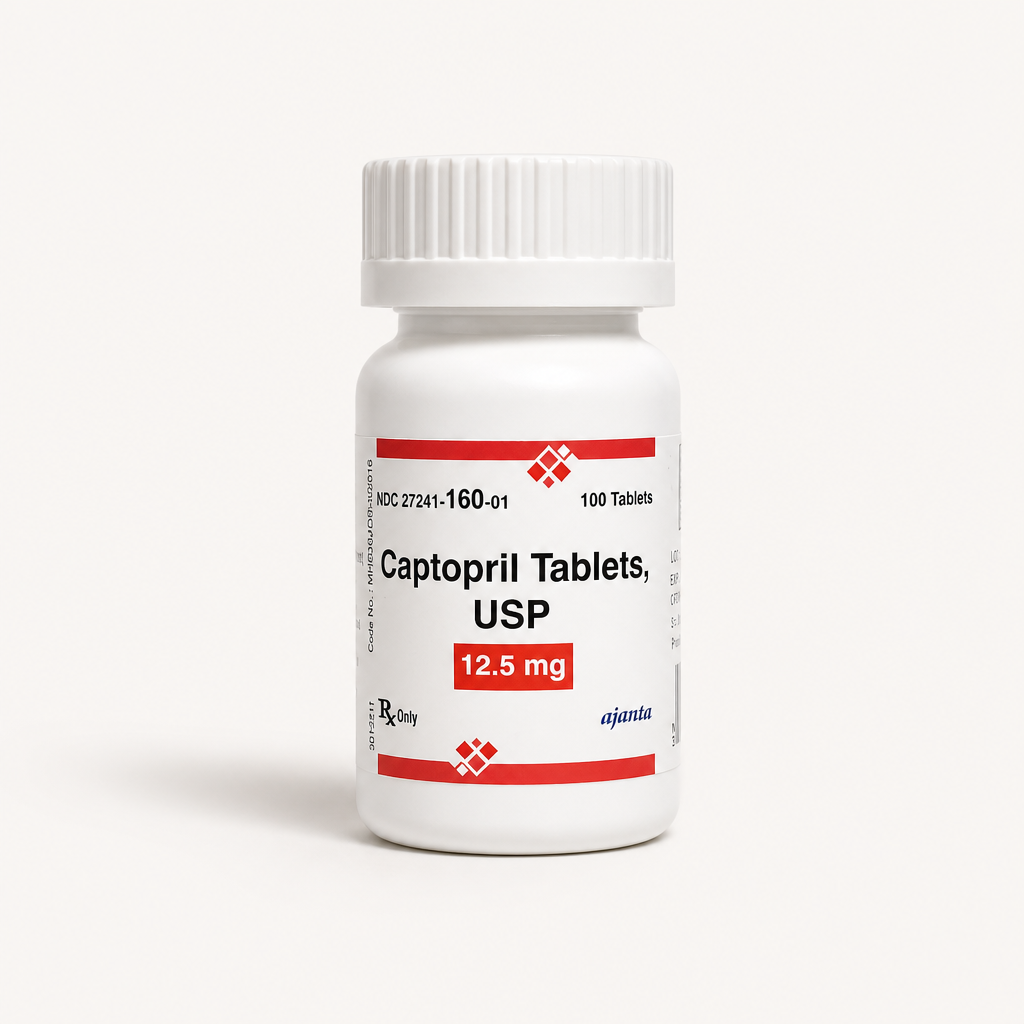
Captopril is supplied as an oral tablet available in 12.5 mg, 25 mg, 50 mg, and 100 mg strengths. Your doctor will prescribe a specific dosage and schedule for your situation.
Standard guidelines suggest taking the tablets by mouth two to three times per day, depending on the condition being treated. To ensure proper absorption, it is generally recommended to take each dose on an empty stomach, at least one hour before eating meals.
- Hypertension: For managing high blood pressure, an initial dose often starts at 25 mg taken two or three times daily. A provider may gradually adjust the dosage up to a maximum maintenance dose of 150 mg two or three times per day if needed.
- Heart failure: For heart failure, starting doses are typically lower, commonly ranging from 6.25 mg to 25 mg taken three times per day. Following a heart attack, a doctor may initiate a single 6.25 mg dose and gradually increase it to a target of 50 mg three times daily.
- Kidney damage: For preventing kidney damage in patients with diabetes, a common dosage is often 25 mg taken three times daily.
Note: Dosing information below is educational only. Your prescribing physician will determine your specific dose based on your individual health needs. Always follow your healthcare provider’s instructions for exact dosing.
Uses
FDA-Approved Uses
Captopril is FDA-approved to treat the following conditions:
- High blood pressure (hypertension)
- Management of heart failure and may be prescribed after a heart attack in those with left ventricular dysfunction
- Protect kidney function in individuals who have type 1 diabetes and diabetic retinopathy
Off-Label Uses
You may see captopril prescribed for uses that are not “FDA-approved.” This is a common and legal practice called “off-label” prescribing, where a doctor uses their clinical judgment to prescribe a drug for a different (but well-researched) purpose.
In some cases, doctors may suggest captopril as an off-label treatment for different cardiovascular or kidney conditions based on individualized patient assessments.
Side Effects
Like all medications, captopril can cause side effects. Some common side effects may improve over time as your body adjusts to the medication. Other side effects may be serious and require medical attention.
Common Side Effects
- Dizziness
- Headache
- Fatigue
- Dry cough
- Skin rash
- Changes in taste
- Itching
- Nausea
Serious Side Effects
Serious side effects are rare, but it’s important to know what to look for if they do occur.
- Angioedema: This is a severe allergic reaction that involves rapid swelling of the lips, face, tongue, or throat, which can make swallowing or breathing difficult. Seek prompt medical attention if you have signs of this reaction.
- Low blood pressure: Also known as hypotension, this occurs when blood pressure drops too low, potentially leading to dizziness, lightheadedness, faintness, or pale skin. The risk of hypotension may be higher when taking initial doses of captopril.
- Low white blood cell count: This condition, known as neutropenia/agranulocytosis, involves a reduction in the number of immune cells that fight infection. It can increase the risk of developing fevers, chills, or persistent sore throats and is a potentially life threatening condition.
- Kidney damage: In some cases, captopril can worsen kidney function, leading to symptoms such as a reduced need to urinate, unexplained weight gain, or swelling in the feet and ankles.
- High potassium levels: Captopril can cause hyperkalemia, a serious condition where potassium builds up in the blood. Hyperkalemia can cause muscle weakness, nausea, or an abnormal heartbeat.
- Liver damage: This is a rare side effect that affects the liver, and it may involve symptoms like dark-colored urine, right upper stomach pain, and yellowing of the skin or the whites of the eyes (jaundice).
- Severe allergic reactions: Watch for hives, facial swelling, or trouble breathing.
Call your doctor immediately if you experience any concerning or prolonged symptoms.
Pharmacist Tips
Take On An Empty Stomach
Food in the stomach can lower the amount of captopril absorbed by the body, so standard guidelines suggest taking each dose at least one hour before meals.
Stay Safely Hydrated
Providers typically recommend drinking enough fluids during treatment to prevent your blood pressure from dropping too low and exacerbating dizziness. This is especially important on hot days and after exercising.
Get Up Slowly
Because captopril can cause lightheadedness or dizziness, pharmacists advise sitting or standing up slowly to minimize the risk of fainting or falling.
Monitor Your Blood Pressure Readings
Keeping a consistent log of your at-home blood pressure readings and bringing it to appointments can help your healthcare team evaluate how well captopril is working for you.
Drug Interactions
Certain medications and substances can interact with captopril, potentially altering how it works or increasing the risk of side effects.
- Diuretics: Combining this medication with water pills can further reduce blood pressure, increasing the risk of experiencing severe dizziness or fainting.
- Potassium supplements: Using salt substitutes or supplements containing potassium can elevate blood potassium levels, increasing the risk of hyperkalemia.
- NSAIDs: Standard guidelines suggest avoiding nonsteroidal anti-inflammatory drugs (NSAIDs) like ibuprofen or naproxen unless specifically approved by your provider. Taking these drugs with captopril can raise the risk of kidney problems and reduce the effectiveness of captopril.
- Heart failure medications: Guidelines indicate that taking captopril alongside sacubitril/valsartan (Entresto) is contraindicated, and the medications must not be used within 36 hours of each other.
- Other blood pressure drugs: Using captopril with other blood pressure treatments like aliskiren or angiotensin II receptor blockers (ARBs) is generally not recommended as it can compound side effects.
- Alcohol: While direct interactions with captopril remain unknown, drinking alcohol may increase the likelihood and severity of dizziness.
Always give your doctor and pharmacist a complete list of all your medications, vitamins, and supplements to check for potential interactions.
FAQs
Is it normal for my food to taste bland or like cardboard after starting this medication?
Changes in taste or a temporary loss of taste is a known side effect of taking captopril. These sensory changes typically go away once the medication is stopped, but inform your doctor if you experience this side effect.
What should I do if I develop a dry, tickly cough in the back of my throat?
A dry cough is a well-documented side effect of ACE inhibitors like captopril. This symptom can arise at any time during treatment and may persist until the medication is discontinued. Contact your doctor if the coughing is impacting your quality of life.
Does this medication actively repair my kidneys from diabetes damage?
Rather than reversing or repairing existing damage, captopril is used to prevent kidney problems from worsening in some individuals with diabetes. By lowering pressure in the blood vessels, captopril helps reduce stress on the kidneys and may slow the progression of diabetic nephropathy.
Will drinking alcohol cause my blood pressure to crash while taking captopril?
While it is not fully known if alcohol alters the effects of captopril, healthcare professionals caution that drinking alcohol can increase the risk of experiencing dizziness and lightheadedness.
Is it dangerous to stop taking these pills cold turkey if my at-home blood pressure readings are perfect?
Standard guidelines indicate that you should not stop taking captopril abruptly, even if your at-home blood pressure readings are in the target range. This is because captopril may be helping keep your blood pressure controlled. Talk with your doctor before discontinuing this medication.
Comparable Medications
Lisinopril (Zestril), Losartan (Cozaar), Metoprolol (Lopressor), HCTZ (Microzide)?
Lisinopril
From $24.99
This is an ACE inhibitor used for high blood pressure and heart failure. It is typically taken once daily.
Losartan
From $24.99
This medication belongs to a different drug class known as angiotensin II receptor blockers (ARBs), which treats high blood pressure and heart conditions through a different mechanism of action.
Metoprolol Tartrate
From $22.99
This is a medication utilized to control heart rate, manage high blood pressure, and treat chest pain (angina).
Hydrochlorothiazide
From $25.99
This is a diuretic, commonly known as a “water pill,” that lowers blood pressure by causing the body to excrete more fluid through urination. It is sometimes prescribed alongside an ACE inhibitor.
We Have Captopril in Stock. Get Yours Today!
Important: Information on this page is for educational purposes only. Prescribing decisions are made by independent, licensed providers. TelyRx operates technology-enabled pharmacies and a telehealth platform that connects patients with licensed providers. Prescriptions, when provider-approved and issued, are filled and shipped by TelyRx-affiliated pharmacies. We do not employ physicians or make prescribing decisions. Learn more about our editorial standards here.