Last updated: March 29, 2026
Key Takeaways
- Never stop diabetes medications suddenly. Stopping without a plan may cause rebound high blood sugar, DKA, and serious problems, especially with type 1 diabetes.
- Some people with type 2 diabetes may reach remission with A1C under 6.5% for six months, fasting glucose under 130 mg/dL, and steady lifestyle changes.
- Work with a doctor on a plan that includes lab checks, slow dose changes, daily monitoring, and regular follow-up visits.
- Long-term success usually depends on a low-carb eating plan, at least 150 minutes of weekly exercise, weight management, and quick medication restart if numbers rise.
- Consult state-licensed doctors through online consultation for safe medication changes, tapering plans, and ongoing diabetes support.
Risks of Suddenly Stopping Metformin
Stopping diabetes medications without doctor guidance may cause serious health problems within days to weeks. For example, stopping metformin suddenly may cause blood sugar to rise again, while stopping insulin in type 1 diabetes can be life-threatening.
Key risks of sudden medication stopping include:
- Rebound high blood sugar: Blood sugar levels may spike quickly.
- Diabetic ketoacidosis (DKA): Life-threatening condition that usually needs emergency hospital care.
- Heart complications: Higher risk of heart attack and stroke.
- Severe symptoms: Excessive thirst, frequent urination, fatigue, and confusion.
Research shows that not taking metformin as prescribed is linked to higher A1C, worsening diabetes, and acute pancreatitis. Hospitalization risk may rise when diabetes medications are stopped suddenly.
Key Differences Between Type 1 and Type 2 Diabetes
Knowing how type 1 and type 2 diabetes differ helps you understand whether stopping medication may ever be safe.
|
Aspect |
Type 1 Diabetes |
Type 2 Diabetes |
|
Insulin dependency |
Insulin is essential for survival |
Some people may reach remission |
|
Medication stopping |
Never safe |
Sometimes possible with close supervision |
|
Remission rates |
Not applicable |
May occur with lifestyle changes |
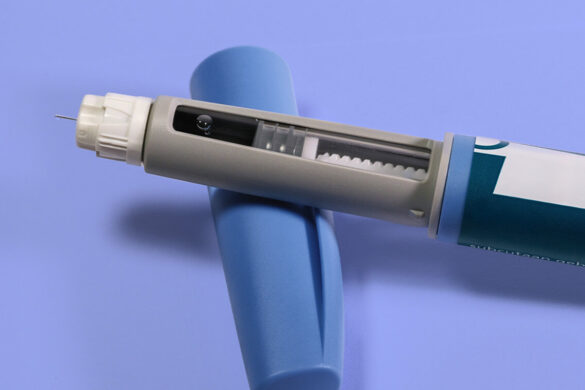
The ADA explains that insulin treatment is required for type 1 diabetes because the body no longer makes insulin. This makes insulin stopping unsafe. Some people with type 2 diabetes may reach remission with intensive lifestyle changes and careful monitoring. For ongoing diabetes care, consider TelyRx prescription services, which can ensure you do not run out of needed medication.
When You May Be Able to Stop Diabetes Medication
Doctors use clear remission criteria to decide whether stopping diabetes medication may be safe.
Remission checklist:
- A1C below 6.5% and kept there for at least six months.
- Fasting glucose usually under 130 mg/dL.
- Weight loss of about 10% to 15% from your starting weight.
- Steady lifestyle changes such as regular exercise and healthier eating.
- Recent lab work that shows stable blood sugar control.
Clinical trials show that some people with type 2 diabetes may reach lasting remission with strong lifestyle changes. Long-term success usually needs continued focus on food choices, exercise, and regular blood sugar checks.
Safe Process to Reduce or Stop Type 2 Diabetes Medication
Use a doctor-guided process if you and your doctor decide to try reducing or stopping type 2 diabetes medication.
- Confirm remission criteria. Get recent lab work that shows you meet the remission thresholds listed in the checklist above.
- Consult with a doctor. Do not try to stop diabetes medication on your own. Platforms like TelyRx can connect you with state-licensed doctors for medication tapering guidance and ongoing monitoring.
- Develop a gradual tapering plan. Medical guidelines usually support lowering doses slowly instead of stopping all at once. For metformin, this often means reducing the dose step by step over time.
- Follow a complete lifestyle plan. Aim for at least 150 minutes of moderate exercise each week to support insulin sensitivity. Pair this with a low-carbohydrate eating plan to help limit blood sugar spikes. Keep using the same weight management habits that helped you reach remission, because weight regain may reverse your progress.
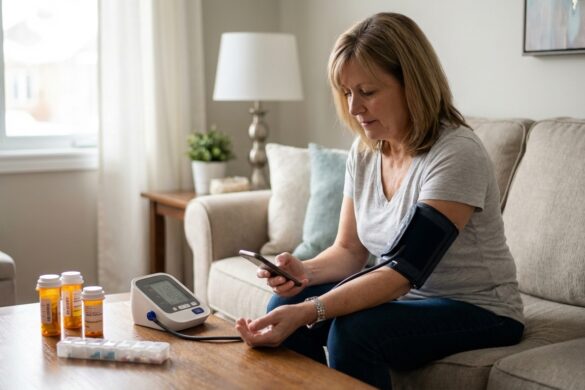
- Monitor blood glucose daily. Check fasting and pre-meal blood sugar and keep a detailed log. Common targets include fasting glucose between 80 and 130 mg/dL and post-meal levels below 180 mg/dL.
- Schedule regular follow-up appointments. Plan A1C testing about every three months. Stay in close contact with your doctor during the tapering process and report any changes in symptoms.
- Watch for restart signals. Be ready to restart medication if your A1C rises above the agreed goal or if signs of high blood sugar return, such as extreme thirst, frequent urination, or fatigue.
Living With Diabetes Without Medication
Some people with type 2 diabetes may live without medication if they keep up strict lifestyle changes and regular monitoring. This usually means daily blood sugar checks, A1C tests about every three months, and quick medical care if numbers move out of the target range.
The ADA recommends fasting glucose between 80 and 130 mg/dL for most adults. If your blood sugar often goes above 250 mg/dL or your A1C rises above your target range, your doctor may recommend restarting medication right away.
Frequently Asked Questions
Can you stop taking diabetes medicine?
Some people with type 2 diabetes may safely reduce or stop medications under close doctor care if they reach and maintain remission. People with type 1 diabetes cannot safely stop insulin because their bodies do not make insulin. Always talk with a doctor before changing any diabetes medication.
How long can a person with type 2 diabetes go without medication?
People with type 2 diabetes who reach true remission may stay off medication for a long time with strong lifestyle habits and regular checks. This usually requires steady focus on diet, exercise, weight management, and blood sugar monitoring to help lower the risk of complications.
How do I know when to stop metformin?
Consider stopping metformin only after you meet the remission criteria discussed earlier, reach meaningful weight loss, and create a clear tapering plan with your doctor. Do not stop metformin suddenly or without medical guidance.
What happens if you do not take diabetes medication for 2 days?
Missing diabetes medication for even two days may cause dangerous blood sugar spikes, especially with type 1 diabetes. This can lead to high blood sugar, dehydration, and possibly life-threatening problems. Follow your prescribed schedule and call your doctor if you miss doses or feel unwell.
Can a person ever get off diabetes medication?
Some people with type 2 diabetes may reach medication-free remission with strong lifestyle changes. Studies suggest remission rates of about 40% or higher in certain groups that maintain weight loss, regular exercise, and healthier eating. People with type 1 diabetes cannot safely stop insulin therapy.
Safe diabetes medication changes usually require careful doctor supervision and steady lifestyle habits. This information is for education and does not replace medical advice from your own doctor. For convenient access to diabetes medications and medical consultations, connect with licensed providers through TelyRx. For more help managing long-term health needs, explore care options that match your daily life.
Our experts

Written by
Mariah Powers is a wellness content strategist and writer with over seven years' experience developing clear, informative narratives on complex health topics for pharmaceutical manufacturers, hospitals, therapy clinics, and clean-living companies. Leveraging SEO product development insights, she crafts data-driven health topics, empowering readers to live healthier, happier lives.
This blog post is for informational purposes only and does not constitute medical advice, diagnosis, or treatment. The content provided here is not a substitute for professional medical advice, consultation, or care from a qualified healthcare provider. Always seek the guidance of your physician or another licensed health professional with any questions you may have regarding a medical condition or treatment. Do not disregard or delay seeking professional medical advice based on information read on this site. Learn more about our editorial standards.