How It Works
Ferrous gluconate works by increasing the amount of elemental iron available for red blood cell production. Once swallowed, iron is released and absorbed through the lining of the small intestine. From there, it enters the bloodstream and into bone marrow to build new hemoglobin molecules.
This mineral is also essential for the synthesis of myoglobin, a protein that helps store and transport oxygen. By improving the oxygen-carrying capacity of both the blood and muscles, this medication helps the body maintain its metabolic processes. This targeted action is what allows ferrous gluconate to reduce the feelings of exhaustion associated with anemia.
The “gluconate” part of this medication refers to the specific salt that is paired with the iron to help it remain stable. Compared to some other forms of iron, this version contains a lower percentage of elemental iron by weight. Providers typically recommend this form because the lower concentration may be gentler on the delicate lining of the stomach and intestines.
| Quick Facts | |
|---|---|
| Common Brands | Ferate, Fergon, Ferralet |
| Drug Class | Iron supplement |
| Generic Status | Generic version of Ferate |
| Availability | Over-the-counter (OTC) and prescription |
Dosing
Standard guidelines suggest taking ferrous gluconate on an empty stomach to ensure maximum absorption. This usually means taking the tablet one hour before a meal or two hours after eating. A common schedule is taking 1-3 tablets once per day as directed by a healthcare professional to meet specific iron requirements.
If this medication causes significant stomach upset, providers typically recommend taking it with a small amount of food. However, it is important to avoid taking it with dairy products, coffee, or tea, as these can block the iron from being absorbed. Taking the supplement with a glass of orange juice or a vitamin C supplement can help the body use the iron more effectively.
Note: Dosing information below is educational only. Your prescribing physician will determine your specific dose based on your individual health needs. Always follow your healthcare provider’s instructions for exact dosing.
Uses
FDA-Approved Uses
Ferrous gluconate is FDA-approved for the prevention and treatment of low iron levels in the blood (iron deficiency) and the resulting lack of healthy red blood cells (iron deficiency anemia).
Off-Label Uses
You may see ferrous gluconate prescribed for uses that are not “FDA-approved.” This is a common and legal practice called “off-label” prescribing, where a doctor uses their clinical judgment to prescribe a drug for a different (but well-researched) purpose. Providers typically recommend this medication off-label for the following conditions:
- Restless legs syndrome (RLS): Some research suggests that increasing iron stores can help reduce the uncomfortable sensations in the legs associated with this condition.
- Chronic kidney disease: Individuals with kidney issues often have trouble maintaining iron levels, and providers may use this oral supplement as a first step before moving to intravenous options.
- Support for erythropoietin therapy: When patients receive injections to stimulate red blood cell production, the medication ensures the body has enough raw materials to build those cells.
Side Effects
Most people do not experience significant problems while taking this supplement. Most side effects are manageable by adjusting when or how the medication is taken.
Common Side Effects
- Dark or black stool
- Stomach pain or cramping
- Nausea or vomiting
- Constipation
- Diarrhea
- Dark or black stools
- Metallic taste in the mouth
Serious Side Effects
Serious side effects are rare, but it’s important to know what to look for if they do occur. Call your doctor if you experience:
- Severe abdominal pain: Intense or sharp pain in the abdomen could indicate a more serious reaction or a complication in the digestive system.
- Allergic reaction: Symptoms such as a skin rash, itching, hives, or swelling of the face, lips, and tongue require immediate medical attention.
- Difficulty breathing: Any wheezing or chest tightness after taking this medication may indicate a severe systemic allergy.
- Signs of iron toxicity: Severe vomiting, bloody diarrhea, or a bluish color to the lips and fingernails are emergency signs of having too much iron in your body.
Call your doctor immediately if you experience any concerning or prolonged symptoms.
Pharmacist Tips
Take on an Empty Stomach
For the best results, take this medication with water at least one hour before eating. If stomach pain occurs, a small snack is acceptable, but avoid mixing the dose with a full meal.
Avoid Dairy and Caffeine
Do not take this iron pill within two hours of consuming milk, cheese, yogurt, coffee, or tea. These substances contain compounds that bind to the iron and prevent it from entering the bloodstream.
Combine With Vitamin C
Drinking a glass of orange juice when taking this medication can improve absorption. The acidity of vitamin C can help the iron dissolve more completely in the stomach.
Stay in an Upright Position
After swallowing this tablet with a full glass of water, do not lie down for at least 30 minutes. This precaution helps prevent the pill from irritating the esophagus or causing heartburn.
Swallow the Tablet Whole
Do not crush, chew, or break this medication. Many iron pills have a special coating to protect the stomach, and breaking the pill can release too much iron at once.
Increase Dietary Fiber
Because constipation is a common side effect of iron therapy, increasing fiber intake and drinking plenty of water can help keep the digestive system moving.
Separate From Other Meds
Iron can interfere with other medications. Always wait at least two hours between taking this supplement and taking antacids or other prescription drugs, unless instructed otherwise.
Drug Interactions
Ferrous gluconate can interfere with the absorption of other medications, making them less effective. In some cases, other drugs can prevent this iron supplement from working.
- Thyroid medications: Taking iron with levothyroxine can prevent levothyroxine from being absorbed. These two medications must be separated by at least four hours.
- Certain antibiotics: Iron can bind to antibiotics like doxycycline or ciprofloxacin in the gut. This interaction reduces the antibiotic’s efficacy.
- Antacids and acid reducers: Medications that lower stomach acid, such as Tums, Prilosec, or Nexium, can make it harder for the body to break down and use the iron.
- Calcium supplements: Calcium and iron compete for the same pathways in the body. If taken together, neither supplement will be absorbed as well as they would be if taken separately.
- Osteoporosis medications: Drugs used for weak bones, such as alendronate, may not work correctly if taken too close to a dose of iron.
Always give your doctor and pharmacist a complete list of all your medications, vitamins, and supplements to check for potential interactions.
FAQs
Why did my doctor recommend this “gluconate” version instead of the standard iron pills?
The gluconate form of iron contains less elemental iron per tablet than the more common sulfate form. Many providers prefer this version for individuals with sensitive stomachs, as the lower concentration may lead to fewer side effects, such as nausea or cramping.
Do I really have to take this on an empty stomach?
Absorption is significantly higher when there is no food in the stomach to interfere with the process. While taking this medication with food is an option to reduce nausea, it may mean the body receives less iron, and the treatment period might need to be longer.
What should I do if ferrous gluconate gives me painful stomach cramps and severe constipation?
If these side effects become bothersome, providers often suggest taking the dose with a small snack or switching to a different schedule. Drinking extra water and using a stool softener can also help manage the digestive changes caused by this treatment.
Can I safely take a multivitamin, thyroid pill, or calcium at the exact same time as this iron pill?
No, these items should be separated from your iron dose. Many multivitamins contain minerals that compete with iron, and thyroid medications or calcium supplements can completely block iron absorption when taken at the same time.
Is it safe to drink my morning coffee or tea right after swallowing my daily dose of iron?
Caffeine and other compounds found in coffee and tea can decrease iron absorption. It is best to wait at least two hours after taking this medication before drinking these beverages to ensure the treatment is effective.
How does the 324 mg of ferrous gluconate compare to the 325 mg of ferrous sulfate?
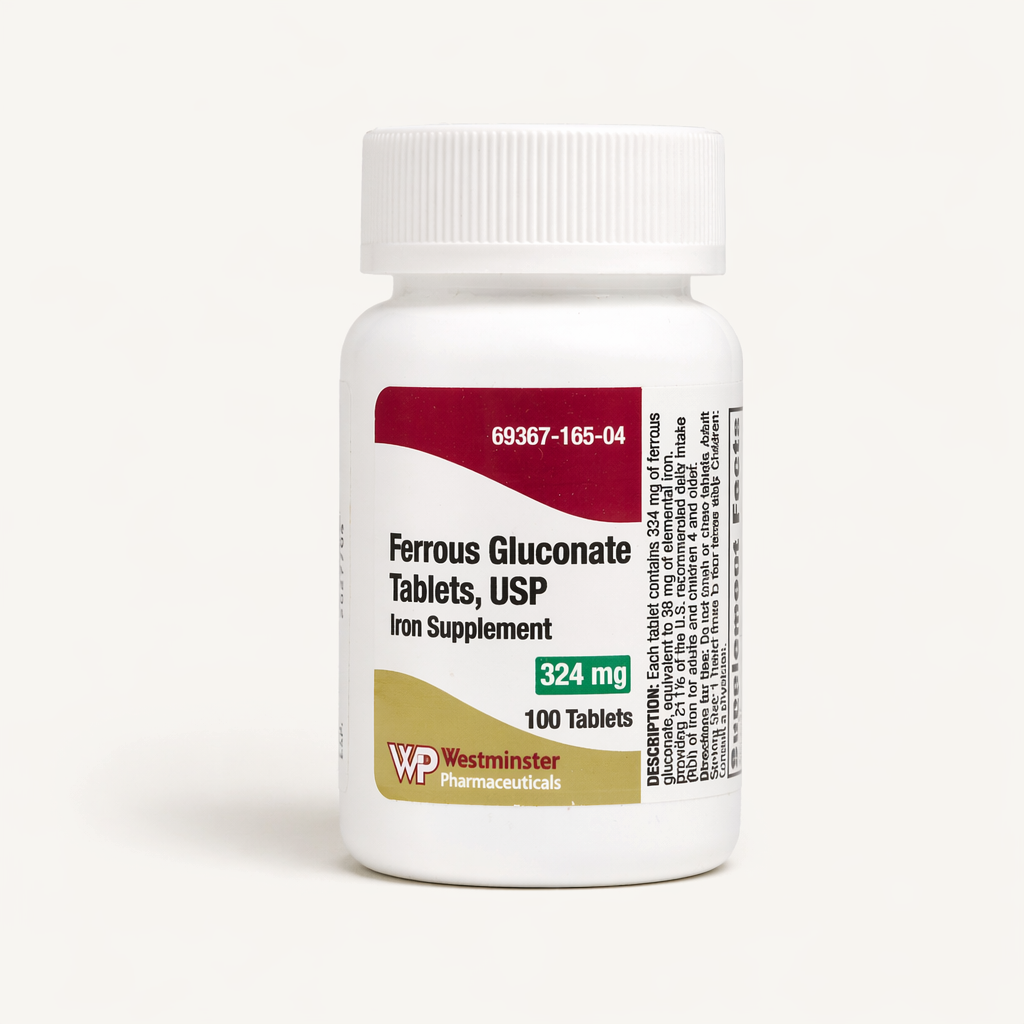
Despite the similar total milligrams, these two pills provide different amounts of actual iron. A 325 mg sulfate tablet provides about 65 mg of elemental iron, while a 324 mg gluconate tablet provides about 38 mg of elemental iron.
Can I safely take an antacid like Tums or an acid reducer if the ferrous gluconate gives me heartburn?
You can use these products, but you must time them carefully. Antacids neutralize the stomach acid needed to dissolve the iron. You should take antacids at least 2 hours before or after your iron dose to avoid this interaction.
Is it safe to continue taking this iron pill if I discover I am pregnant?
While this medication is generally considered safe to take while pregnant, inform your healthcare provider to ensure the dose is appropriate and safe for your needs.
Can I safely split or crush the tablet if I cannot swallow large pills?
No, you should swallow the tablets whole. Crushing the medication can increase the risk of stomach irritation and may cause iron to be released too quickly, which can worsen side effects or cause a metallic taste in the mouth.
Will taking a stool softener or laxative interact with my body’s ability to absorb the iron?
Most stool softeners do not interfere with iron absorption. However, certain laxatives that contain high amounts of calcium or magnesium should be separated from your iron dose by at least two hours to prevent an interaction.
Why do I sometimes feel slightly dizzy or nauseous after taking this on an empty stomach?
Iron can irritate the stomach lining when no food is present, often leading to nausea. If the dizziness persists, it may be a symptom of the underlying anemia rather than the medication, and you should consult your provider.
Comparable Medications
Ferrous Gluconate vs Ferrous Sulfate, Ferrous Bisglycinate, Ferrous Fumarate, or Venofer/Injectafer?
Ferrous Sulfate Tablets
From $19.99
This is the most common form of oral iron supplement. It contains a higher concentration of elemental iron (65 mg per 325 mg tablet) than ferrous gluconate. However, the sulfate version is more likely to cause significant constipation and stomach upset for many people.
Ferrous bisglycinate
This is a chelated form of iron, meaning the mineral is attached to an amino acid. Standard guidelines suggest that this form is often better absorbed and causes fewer digestive side effects than ferrous gluconate. It is frequently found in premium multivitamins and specialty supplements for sensitive stomachs.
Ferrous fumarate
This version contains the highest concentration of elemental iron among the common oral salts, providing about 106 mg of iron per 325 mg tablet. Because it is so concentrated, it is often used for severe cases of anemia but carries a higher risk of causing nausea and abdominal pain.
Venofer/Injectafer
These are two intravenous (IV) forms of iron that a healthcare provider can administer. Unlike oral ferrous gluconate, these treatments bypass the digestive system entirely. They are typically used when oral iron is not well tolerated or when a patient needs to increase their iron levels very quickly.
We Have Ferrous Gluconate in Stock. Get Yours Today!
Important: Information on this page is for educational purposes only. Prescribing decisions are made by independent, licensed providers. TelyRx operates technology-enabled pharmacies and a telehealth platform that connects patients with licensed providers. Prescriptions, when provider-approved and issued, are filled and shipped by TelyRx-affiliated pharmacies. We do not employ physicians or make prescribing decisions. Learn more about our editorial standards here.