

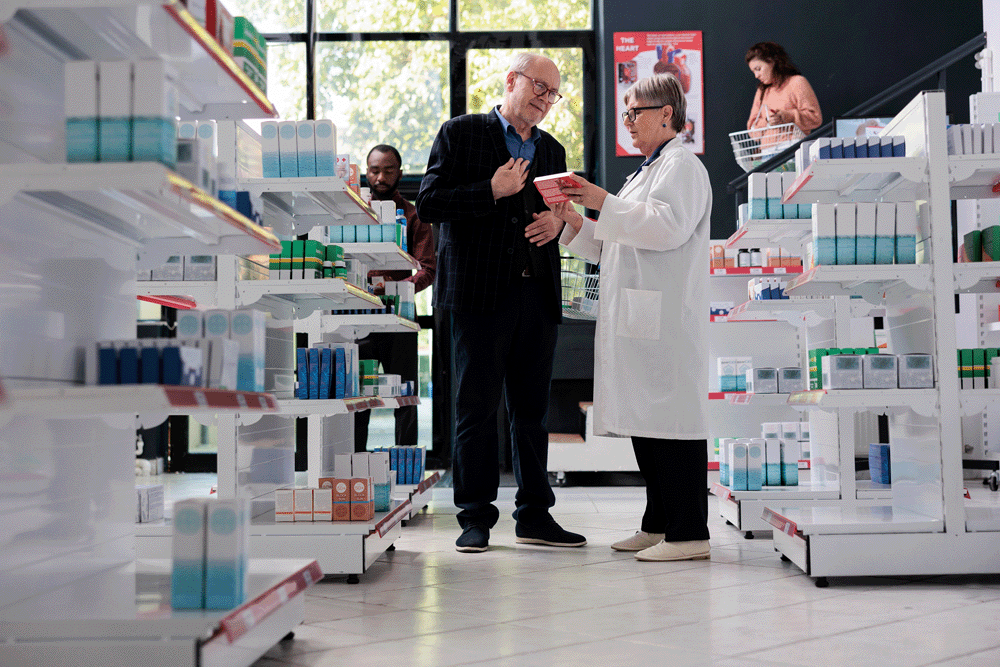
You go to the pharmacy counter. The Brand Name medication is $200. The Generic is $20. You buy the generic because the price difference is astronomical, but a quiet voice in the back of your head asks, “Is this actually the same thing?”
For 95% of medications, the answer is a resounding yes. But for the other 5%, it’s a little more complicated.
At TelyRx’s licensed pharmacies, we champion affordable generics. They are the backbone of modern healthcare, saving the U.S. healthcare system over $408 billion in 2022 alone. However, we also believe in transparency. To trust what you are taking, you need to understand the “Black Box” of how drugs are approved, made, and tested.
Here is the deep dive into Brand vs. Generic medications.
The Pharmaceutical Blueprint: NDA vs. ANDA
To appreciate the difference between generic and brand-name drugs, you have to begin at the starting line.
The Brand: The NDA (New Drug Application)
When a pharmaceutical company invents a new drug, it spends roughly $2.6 billion and 10+ years on research and development. They must prove safety and efficacy through Phase I, II, and III clinical trials on thousands of humans. In exchange, they get a patent (usually 20 years) to sell the drug exclusively.
The Generic: The ANDA (Abbreviated New Drug Application)
When that patent expires, other companies can file an ANDA. Generic companies do not have to repeat those billion-dollar safety/efficacy trials on thousands of patients. Why? Because the Brand company has already proved the molecule works.
The generic company only must prove bioequivalence, which means that their version acts the same way in the body. This “shortcut” is the reason generics are so affordable in relation to their name brand counterparts. You aren’t paying for the years of research and testing; you’re only paying for the manufacturing and the raw materials.
Decoding the “80-125%” Rule of Bioequivalence
This is where most of the confusion comes from. The myth? That a generic can contain only 80% of the active ingredient. The reality? The active ingredient must be chemically identical. This means same compound, same amount.
The 80-125% range applies to absorption testing: how quickly and completely the drug enters your bloodstream compared to the brand name. This is a testing benchmark, not a dosage difference.
How Bioequivalence Is Tested
The FDA mandates a “Two-Way Crossover Study” on healthy volunteers:
- Volunteers take the brand name drug. Blood samples are drawn to measure concentration.
- A “washout period” allows the drug to leave their system.
- The same volunteers then take the generic drug. Blood samples are drawn again.
To pass, the generic’s absorption must fall within 80-125% of the brand name drug.
In practice, modern generics are incredibly precise. FDA studies show the actual variance between brand and generic is typically less than 4%, statistically indistinguishable for most human bodies.
The “Inactive” Loophole
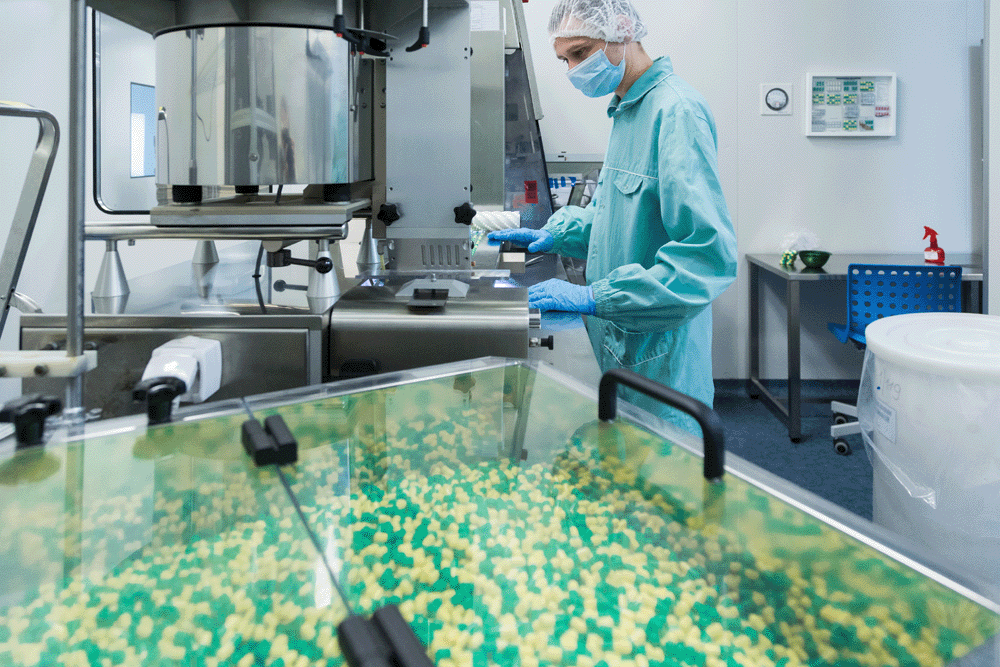
While the active drug is identical, the excipients (fillers, binders, dyes, and coatings) do not have to be. This is the “paint job” of the pill, and for a small subset of patients, it matters.
Common problematic e excipients include:
- Lactose: Used as a binder. Patients with severe lactose intolerance may experience GI upset with certain generics but not others.
- Gluten: Rare, but starch fillers can be derived from wheat.
- Dyes: Tartrazine (Yellow No. 5) and Red No. 40 are common triggers for allergic reactions or hyperactivity in sensitive individuals.
If you have a known allergy to a specific dye or filler, you can look up the “Package Insert” of the specific generic manufacturer online to see their full ingredient list.
The “Bio-Creep” Phenomenon
“Bio-Creep” explains why switching manufacturers constantly is risky.
The Scenario: Generic A is tested against the Brand and passes (it’s slightly on the lower end of absorption). Generic B is tested against the Brand and passes (it’s slightly on the higher end).
Generic A and Generic B are never tested against each other. The Result? If you switch from Generic A (low end) directly to Generic B (high end), the swing in your blood levels could be closer to 20%.
When Brand (Or Consistency) Actually Matters
For 95% of drugs (Antibiotics, NSAIDs, ED meds), these variances are irrelevant. But there are specific categories where you need to be vigilant.
- Narrow Therapeutic Index (NTI) Drugs: These are drugs where the difference between a “therapeutic dose” and a “toxic dose” is very small. Examples include:
- Warfarin (blood thinner): A slight rise in levels can cause internal bleeding; a slight drop can cause a stroke.
- Levothyroxine (thyroid): Extremely sensitive to bioavailability.
- Lithium & digoxin: Require precise blood monitoring.
- Complex Delivery Systems: Some pills are high-tech gadgets disguised as medicine. An example includes:
- Concerta (Methylphenidate ER): The brand uses a patented OROS (Osmotic Release Oral System), a laser-drilled sponge that pushes the drug out at a specific rate.
It is difficult for generic companies to replicate this mechanism without infringing on the patent. Some use standard “wax matrix” coatings that dissolve differently, leading to “dose dumping” (too much drug at once) or wearing off too soon.
The “Authorized Generic” Hack
If you need Brand specifics but can only afford Generic, this is your solution.
An Authorized Generic is the actual Brand Name pill, manufactured in the Brand Name factory, on the Brand Name assembly line. The company simply removes the Brand label and puts it in a generic bottle (or sells it to a partner) to compete in the generic market.
How to Identify Them:
- Look at the pill. If the generic pill has the exact same markings/shape as the Brand, it is likely an authorized generic.
- Check the “Labeler Code” on the bottle or ask your pharmacist.
Example: Patriot Pharmaceuticals distributes the authorized generic for Concerta. It is the Brand pill, just cheaper.
Why “Made In…” Matters
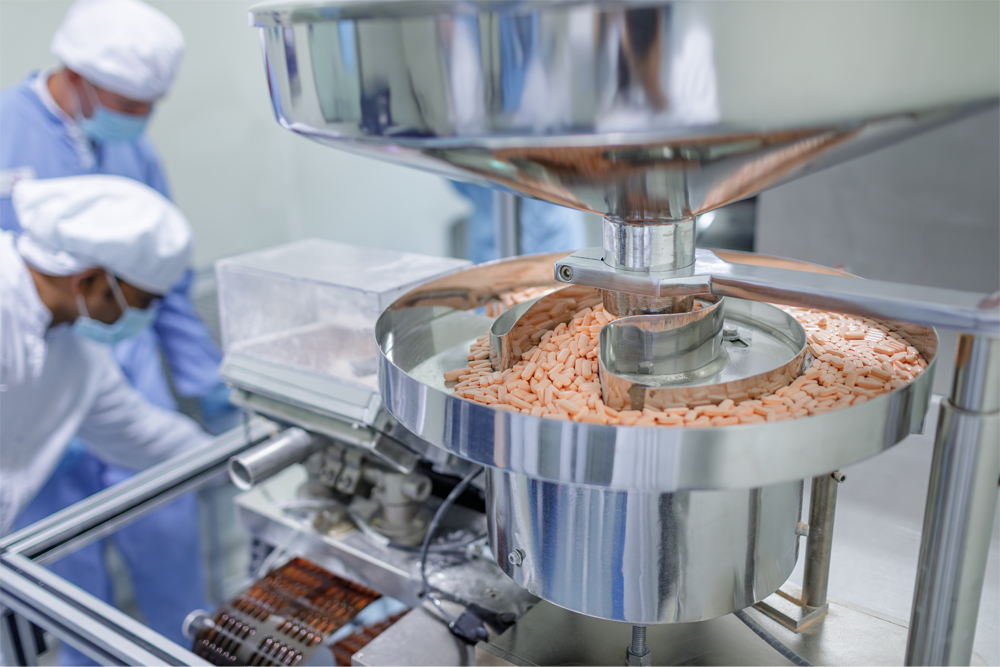
The FDA approves factories, but they cannot inspect every facility with equal frequency.
A massive percentage of the world’s active pharmaceutical ingredients (API) comes from India and China. While the FDA conducts unannounced inspections in the U.S., foreign inspections are often pre-announced, giving factories time to prepare. This has historically led to quality control issues in “gray market” supply chains.
TelyRx sources strictly from NABP-accredited US wholesalers. We do not drop-ship from unregulated overseas pharmacies. This ensures that the chain of custody for your medication, from factory to your doorstep, is secure, temperature-controlled, and authentic.
Decoding Your Prescription: The Pharmacist’s Secret Book
The FDA “Orange Book” (Approved Drug Products with Therapeutic Equivalence Evaluations) is a database that assigns a two-letter code to every generic.
- A-Rated (AB) – Therapeutically equivalent. The pharmacist can substitute this for the Brand automatically.
- B-Rated (BX, BC, BE) – Not therapeutically equivalent. The pharmacist cannot substitute this without a new prescription.
- AB1, AB2, AB3 – A generic rated AB1 can only be substituted for a Brand rated AB1, not AB2. This ensures you don’t swap incompatible release mechanisms.
DAW Codes (Dispense as Written)
- DAW 0 – Pharmacist choice (Default).
- DAW 1 – Doctor mandates Brand.
- DAW 2 – Patient mandates Brand.
The Smart Patient’s Strategy
For almost all medications, Generic is the undisputed winner. It is chemically identical, equally effective, and vastly cheaper.
TelyRx’s licensed pharmacies don’t just fill prescriptions; we provide peace of mind. By curating a supply of high-quality generics, we remove the guesswork from the equation.
Ready to start paying for what works, not the name on the bottle?
Our experts

Written by
Mariah Powers is a wellness content strategist and writer with over seven years' experience developing clear, informative narratives on complex health topics for pharmaceutical manufacturers, hospitals, therapy clinics, and clean-living companies. Leveraging SEO product development insights, she crafts data-driven health topics, empowering readers to live healthier, happier lives.

Reviewed by
Ashley Robinson, PharmD
Ashley Robinson oversees daily operations at TelyRx's Clearwater pharmacy location, optimizes workflow efficiency, and ensures compliance with regulatory standards while maintaining a strong focus on patient safety and quality of care. She collaborates closely with clinical and operations teams to evaluate new medications, support formulary development, and implement process improvements that enhance both patient outcomes and team performance.
This blog post is for informational purposes only and does not constitute medical advice, diagnosis, or treatment. The content provided here is not a substitute for professional medical advice, consultation, or care from a qualified healthcare provider. Always seek the guidance of your physician or another licensed health professional with any questions you may have regarding a medical condition or treatment. Do not disregard or delay seeking professional medical advice based on information read on this site. Learn more about our editorial standards.