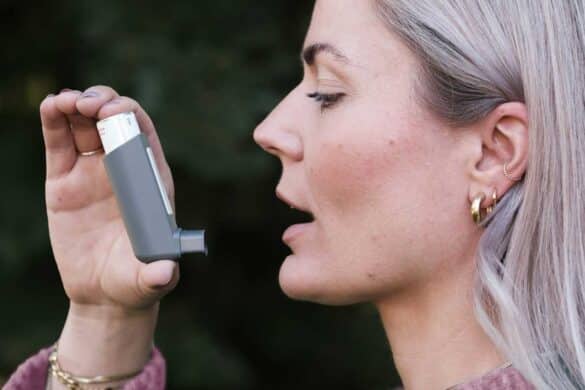




Asthma and chronic obstructive pulmonary disease (COPD) are respiratory conditions that cause coughing, wheezing, and difficulty catching your breath. COPD and asthma may seem remarkably similar, but it’s essential to get the correct diagnosis. Your treatment prescriptions differ based on whether you have asthma or COPD.
In this guide, we will break down the key differences between COPD vs. asthma.
Asthma vs. COPD Overview
| Asthma | COPD | |
| Differentiator | Generally dry coughs and wheezing | Generally wet coughs with mucus production |
| Occurrences | Asthma attacks can have specific triggers, like physical exertion or allergens | Chronic and daily symptoms |
| Common Treatments | Inhaled corticosteroids, short and long-acting bronchodilators | Long-acting bronchodilators, combination inhalers, oxygen therapy, pulmonary rehabilitation, surgery |
Asthma vs. COPD: Similar, But Different Conditions
At first glance, asthma and COPD look very similar. They are both chronic, inflammatory lung diseases that cause shortness of breath, wheezing, coughing, and tightness in the chest. However, there are fundamental differences between COPD vs. asthma in how they are caused and treated.
Asthma
Asthma usually develops in childhood and causes your airways to become inflamed and narrower. It affects 6.5% of children and 8% of adults. Researchers still don’t know what causes asthma, but it’s most likely related to your genetics and/or environment.
Asthma attacks or flare-ups are a defining symptom of asthma. A person with asthma can experience mild to moderate symptoms daily, sometimes, or rarely. But during an attack, they become much worse, causing the airways to narrow and spasm in a way that can be life-threatening. Asthma triggers can range from dust mites, to mold, to pollen, household chemicals, and to cold air.
Asthma symptoms also can come and go, and people may experience periods of complete symptom remission. However, complete remission does not mean their asthma is cured. It is a lifelong condition that requires ongoing monitoring and treatment.
COPD
Unlike asthma, COPD often develops later in life and tends to worsen over time. Overall, 6.5% of adults have COPD. Starting at age 65, that percentage doubles. It’s more common in women and adults who live in rural areas, as well as those who smoke.
Cigarette smoking is the main cause of COPD in the United States. However, even nonsmokers can develop COPD through long-term exposure to irritants, which can lead to progressive, permanent lung damage that causes the airways to become thick, inflamed, and clogged with mucus. Wet, mucousy coughs are one of the key differences in symptoms between asthma vs. COPD.
Similar to asthma, there is no cure for COPD, but treatment can help manage symptoms and comfort.
COPD vs. Asthma Diagnosis Testing
Given their similarities, doctors use special tests to diagnose asthma vs. COPD. Spirometry is a common breathing test used to rule out COPD vs. asthma. It measures how much air you can hold and how forcefully you can exhale. During this test, patients wearing a noseclip breathe in and out into a mouthpiece that’s connected to a machine called a spirometer. Doctors often measure your baseline breathing, and then test you again with different medications to see how you respond, such as:
- A bronchodilator, which relaxes the muscles in your airways, helping to open them up. If your breathing improves after the bronchodilator, that usually indicates asthma.
- Methacholine, a drug which narrows your airways. If your spirometry score is low after the methacholine, that also indicates you have asthma.
Pulmonary function tests, also known as PFTs or lung function tests, may also be used to diagnose COPD. Your doctor may also order a chest X-ray or CT scan to look for visual signs of lung damage.
When diagnosing asthma vs. COPD, doctors will also ask about your symptoms, history of smoking, and exposure to secondhand smoke or other triggers at work or home.
Can You Have Asthma and COPD At the Same Time?
Yes, it is possible to have both asthma and COPD at the same time. Clinically, this is known as asthma-COPD overlap, or ACO. Up to one-third of people with asthma or COPD have ACO. Having untreated asthma can increase your risk of COPD. People with ACO experience the symptoms of both COPD and asthma, and must be treated for both conditions.
COPD vs. Asthma Treatment
Both COPD and asthma commonly use rescue and maintenance inhalers as part of treatment. However, the medicines inside these inhalers work differently to treat symptoms of COPD vs. asthma. For example:
- For asthma: Doctors may prescribe both maintenance and rescue inhalers. Maintenance, or “controller,” asthma inhalers contain corticosteroids and are used daily to reduce airway inflammation. Fast-acting “rescue” inhalers contain bronchodilators like albuterol to relieve symptoms during an asthma attack.
- For COPD: Maintenance inhalers containing long-acting bronchodilators are used daily to keep the airways open. Short-acting bronchodilators may also be prescribed for symptom flare-ups.
Because the inhalers contain different medicines, treatments for asthma vs. COPD are generally not interchangeable. However, some COPD inhalers may be prescribed off-label by a doctor for severe asthma.
Doctors may prescribe additional specialized treatments for COPD as it progresses, such as:
- Oxygen therapy: This treatment provides supplemental oxygen through a mask or nasal prongs to ensure your blood gets enough oxygen when the lungs can no longer process it effectively without assistance.
- Pulmonary rehab: This supervised medical program combines exercise, education, and breathing techniques to help people with COPD improve their stamina and get through daily activities without extreme breathlessness.
- Surgery: In extreme cases, a lung transplant or surgery to remove badly damaged tissue may be recommended.
For both asthma and COPD, lifestyle changes can also help manage symptoms. People with asthma should take care to avoid their triggers whenever possible, such as avoiding pets if you are triggered by pet dander. For active smokers with COPD, quitting smoking is the best lifestyle change you can make to help manage your condition. It’s also important to avoid secondhand smoke.
Ready to explore prescription treatment options for asthma and COPD?
How To Change To a New Inhaler
Knowing whether you have asthma or COPD is important for your treatment because it determines which type of inhaler will keep your airways open. If you are interested in trying a new inhaler to manage your symptoms, here are the things you’ll want to consider:
- Current medications: Share your full list of medications with your doctor. Different inhalers have different ingredients that may interact with other medicines you take for COPD, asthma, or other conditions.
- Preferred device: Some people prefer a standard metered dose or “puffer” inhaler, while others prefer a soft mist or dry powder inhaler. Talk to your doctor about your options.
- Insurance coverage: Inhalers can be expensive. Review your health insurance to find one that is covered, or use a reputable cash-pay online pharmacy platform like TelyRx to get your inhaler(s).
- Dosing frequency: Some inhalers are used once daily while others are used multiple times a day. Consider which type of inhaler could work best for your routine.
- Side effects: Some inhalers are more likely to cause oral thrush, while others may have different side effects that concern you. Discuss your options with your doctor to find an option that works best for you.
Emphysema vs. COPD
Emphysema is another respiratory condition that may be confused with COPD. The main difference between COPD vs. emphysema is that emphysema is a type of COPD. There are two types of COPD: emphysema and bronchitis. Emphysema is a type of COPD where the tiny air sacs in your lungs are damaged. Bronchitis is a type of COPD where the inflamed bronchial tubes chronically produce a cough with mucus. Both types of COPD shares similar symptoms, causes, and treatment options.
Your Next Steps
While asthma and COPD share a confusingly similar list of symptoms, their disease progression and treatment options can differ. For example, COPD often involves the overproduction of mucus that must be addressed through treatment.
But whether you have been diagnosed with asthma or COPD, if you find that you are using your rescue inhaler more than twice a week or are feeling consistently winded, schedule an appointment with a healthcare provider. Speak to your doctor about your diagnosis and appropriate treatment so you can breathe easier and feel more comfortable in your daily life.
Article Sources
Awad, M. T., & Sankari, A. (2023). Asthma and COPD overlap. StatPearls – NCBI Bookshelf. https://www.ncbi.nlm.nih.gov/books/NBK592422/
Centers for Disease Control and Prevention (CDC). (2024). About COPD. https://www.cdc.gov/copd/about/index.html
Goldin, J., & Cataletto, M. E. (2024). Asthma. StatPearls – NCBI Bookshelf. https://www.ncbi.nlm.nih.gov/books/NBK430901/
Kanchustambham, V., & Brown, B. D. (2026). Chronic Obstructive Pulmonary Disease (COPD). StatPearls – NCBI Bookshelf. https://www.ncbi.nlm.nih.gov/books/NBK559281/
Liu, Y., Carlson, S. A., Watson, K. B., Xu, F., & Greenlund, K. J. (2023). Trends in the prevalence of chronic obstructive pulmonary disease among adults aged ≥18 years — United States, 2011–2021. MMWR Morbidity and Mortality Weekly Report, 72(46), 1250–1256. https://doi.org/10.15585/mmwr.mm7246a1
MedlinePlus. (2024). Asthma. National Library of Medicine. https://medlineplus.gov/asthma.html
MedlinePlus. (2026). COPD. National Library of Medicine. https://medlineplus.gov/copd.html
MedlinePlus. (2024). Emphysema. National Library of Medicine. https://medlineplus.gov/emphysema.html
Pate, C. A., & Zahran, H. S. (2024). The status of asthma in the United States. Preventing Chronic Disease, 21, E53. https://doi.org/10.5888/pcd21.240005
Zeller, T. A., Beben, K., & Walker, S. (2023). Distinguishing Asthma and COPD in Primary Care: A Case-based Approach. American Family Physician, 107(3), 247–252. https://www.aafp.org/afp/2023/0300/distinguishing-asthma-copd