How It Works
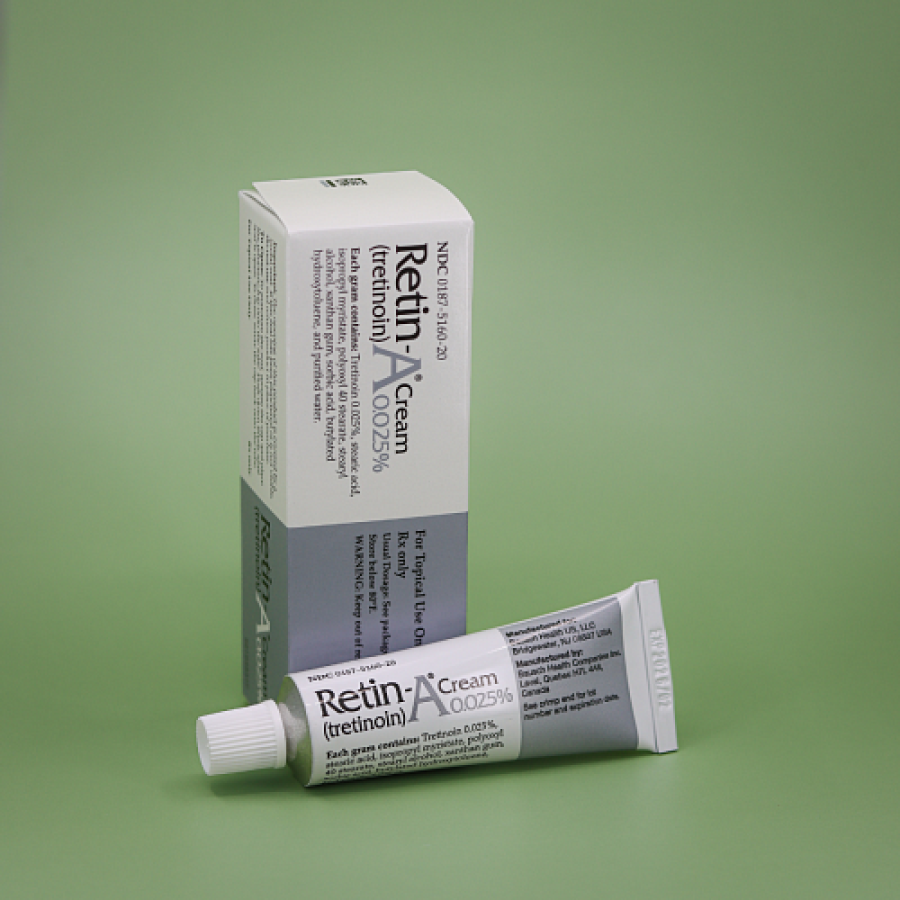
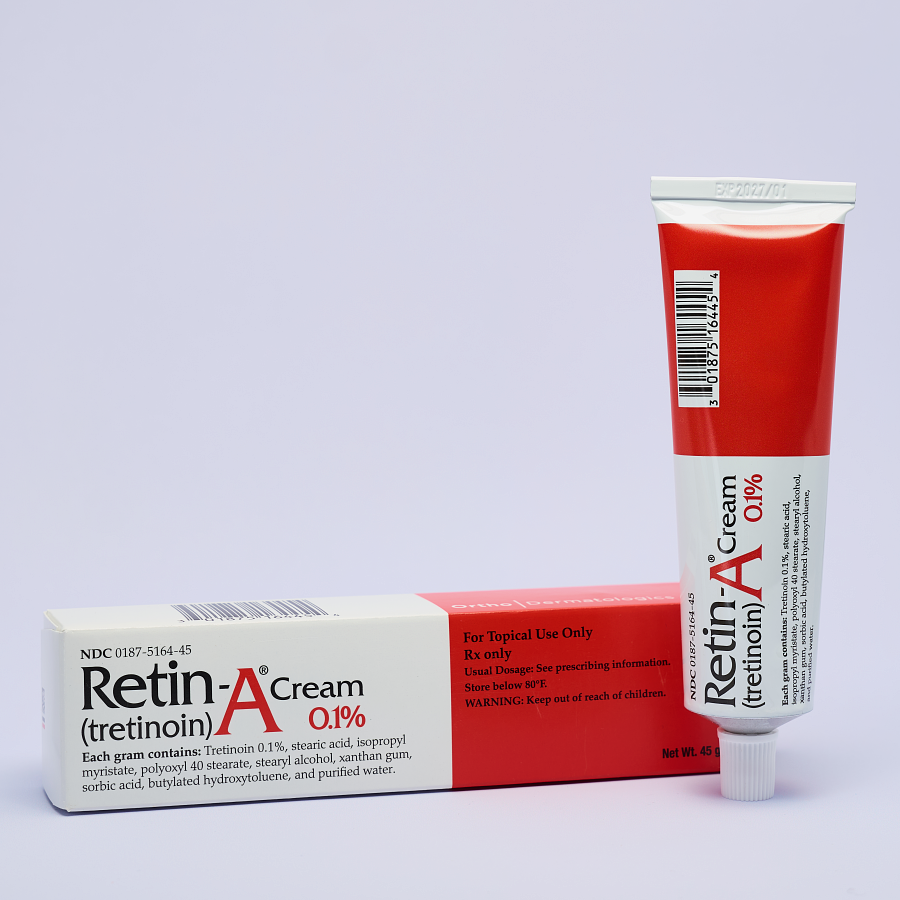
Retin-A works by stimulating skin cell turnover. This causes a peeling effect that unclogs pores, treating existing acne and preventing the formation of new pimples. The reduction of dead skin cells can also improve the texture of fine lines and dark spots over time, when used with a daily skin care routine that includes sunscreen.
| Quick Facts | |
|---|---|
| Common Brands | Retin-A, Retin-A Micro, Altreno, Atralin, Refissa, Renova |
| Drug Class | Retinoid, Anti-acne agent, Anti-wrinkle agent |
| Generic Status | Brand for Tretinoin |
| Availability | Prescription only |
Dosing
It is recommended to apply Retin-A once daily, usually as part of a bedtime routine. For those with particularly sensitive skin, providers may suggest an alternative schedule, such as applying the medication every other night.
Standard guidelines suggest using a small amount — roughly the size of a pea or half an inch — dispensed onto the fingertip. This amount is then dabbed and rubbed in to create a thin layer over the entire affected area, such as the forehead, chin, and cheeks.
It is important to note that using a larger quantity or applying Retin-A more frequently than prescribed does not accelerate results. Instead, it can lead to increased skin irritation and waste of the product. If the medication does not disappear into the skin shortly after application, it is likely that too much was used.
Note: Dosing information is educational only. Your prescribing physician will determine your specific dose based on your individual health needs. Always follow your healthcare provider’s instructions for exact dosing.
Uses
FDA-Approved Uses
Retin-A is FDA-approved for topical treatment of acne vulgaris.
Off-Label Uses
You may see Retin-A prescribed for uses that are not “FDA-approved.” This is a very common and legal practice called “off-label” prescribing, where a doctor uses their clinical judgment to prescribe a drug for a different (but well-researched) purpose.
Retin-A may be used off-label for improving skin issues due to aging and sun exposure, such as fine lines and dark spots, even though it is only FDA-approved to treat acne. However, other formulations of its active ingredient tretinoin, such as Renova, are approved to improve the appearance of fine facial wrinkles.
Get Savings Updates for Retin
Join our mailing list for exclusive deals and more.
Side Effects
Like all medications, Retin-A can cause side effects. Most common side effects involve skin irritation at the application site, and may improve over time as your body adjusts to the medication. Other side effects may be serious and require medical attention.
Common Side Effects
- Skin irritation
- Burning
- Rash
- Peeling
- Dryness
- Itching
- Redness
- Temporary worsening of acne during the initial weeks of treatment
- Temporary lightening or darkening of the skin
Serious Side Effects
Serious side effects are rare, but it’s important to know what to look for if they do occur. Stop using Retin-A and call your doctor immediately if you experience:
- Severe allergic reactions: Symptoms include swelling of the face, lips, tongue, or throat; difficulty breathing or swallowing; severe rash or itching; fever.
- Severe skin irritation: Symptoms include intense burning, blistering, swelling, or crusting of skin that persists or worsens. Your healthcare provider may adjust your dose, dose schedule, or recommend that you stop using Retin-A.
- Increased sensitivity to sunlight (photosensitivity): Retin-A increases your skin’s sensitivity to sunlight. To avoid sunburn, it’s recommended to use sunscreen and wear protective clothing.
Call your doctor immediately if you experience any concerning or prolonged symptoms.
Pharmacist Tips
Apply at Bedtime to Dry Skin
It’s recommended to apply Retin-A at bedtime after washing the face with a mild soap. Wait 20 to 30 minutes to ensure the skin is completely dry before application. Applying retinoids to damp skin can increase absorption and irritation.
Use Sun Protection
Because tretinoin thins the outer layer of the skin and increases sensitivity to sunlight, protective measures such as consistent use of sunscreen, protective clothing (like hats), and avoidance of tanning beds are strongly recommended.
Avoid Harsh Products
Avoid using harsh cleansers, medicated soaps, or products containing alcohol, lime, sulfur, or spices, as these can exacerbate skin dryness.
Moisturize in the Mornings
Applying a mild moisturizer (or one with sunscreen) in the mornings can help manage dryness and protect the skin barrier.
Avoid Sensitive Areas
Care should be taken to avoid applying Retin-A to the corners of the nose, mouth, eyes, or open wounds, as these areas are highly susceptible to irritation.
Be Patient
Improvements in acne may take 2 to 3 weeks to become visible, with full effects often requiring 6 weeks or more. For wrinkles, it can take 4 to 6 months to see an improvement.
Pregnancy or Breastfeeding Warning
It is generally recommended to stop Retin-A if you become pregnant or plan to become pregnant as Retin-A may cause birth defects.
Missed Doses
If you miss a dose of Retin-A, take it as soon as you remember, unless it’s almost time for your next dose. In that case, skip the missed dose and take your next dose as scheduled.
Store at Room Temperature
Store Retin-A at room temperature (68°F to 77°F, or 20°C to 25°Ç) in a cool, dry place with the lid or cap tightly closed.
Drug Interactions
Retin-A can interact with other medications, potentially altering their effectiveness or increasing the risk of side effects. For example:
- Photosensitizers: Because Retin-A increases sensitivity to sunlight, caution is advised when using other medications that have similar effects, such as tetracyclines, sulfa medications, thiazide diuretics, or phenothiazines.
- Drying agents: Using other topical products that cause dryness or peeling — specifically those containing benzoyl peroxide, salicylic acid, sulfur, or resorcinol — at the same time as Retin-A can lead to severe skin irritation.
Always give your doctor and pharmacist a complete list of all your medications, vitamins, and supplements to check for potential interactions.
FAQs
What is the “Retin-A Purge” and how long does it last?
The “Retin-A purge” describes a common reaction where acne initially gets worse during the first few weeks of treatment. This happens because the medication works in the deep layers of the skin, causing inflammation and bringing new pimples to the surface. This phase typically occurs during the first 3 to 6 weeks of use, after which the skin usually clears up with continued use.
Why can’t I wax my eyebrows while using Retin-A?
Using Retin-A can make your skin significantly more sensitive and prone to irritation, peeling, or blistering. Because the medication causes the skin to peel and thin the outer layer, removing hair through waxing can lead to severe skin irritation or the removal of skin layers.
Is Retin-A safe to use during pregnancy or breastfeeding?
It is typically not recommended to use Retin-A if you are pregnant due to the possibility of birth defects. You should discuss the risks and benefits with your healthcare provider if you are pregnant, planning to become pregnant, or breastfeeding.
Can I use Vitamin C or glycolic acid while using Retin-A?
It’s typically recommended to avoid products containing drying agents, spices, lime, sulfur, resorcinol, or salicylic acid while using Retin-A. Using these products can increase the risk of severe skin dryness and irritation. If you have concerns, ask your dermatologist what they recommend.
What is the “Sandwich Method” for applying Retin-A?
The “Sandwich Method” refers to applying your Retin-A between two layers of moisturizer. However, it is generally recommended to apply Retin-A to clean, dry skin at night, and then apply moisturizer about 20 minutes after application and then again in the morning. Ask your dermatologist if they recommend you use the Retin-A sandwich method.
Why should I apply Retin-A only at night?
Retin-A should be applied at bedtime. The medication makes your skin more sensitive to sunlight and sunlamps, increasing the risk of sunburn. Applying it at night helps avoid immediate exposure to UV light.
Can I put Retin-A under my eyes or on my neck?
No. You should avoid getting Retin-A near the eyes, including the area underneath them, as well as the corners of the nose and mouth. These areas are more sensitive and have an increased risk of irritation.
Does Benzoyl Peroxide deactivate Retin-A if used together?
The main concern with combining these medications is irritation. Products containing benzoyl peroxide are drying agents, and using them with Retin-A can lead to severe skin irritation or excessive dryness.
How long does it take to see results for wrinkles vs. acne?
Acne improvement is typically noticed after 2 to 3 weeks of using Retin-A, although it can take 6 weeks or longer to see the full effects. The reduction of wrinkles is usually a longer process, and may take 4 to 6 months to see results.
Can Retin-A treat acne scars?
Retin-A works by stimulating skin cells to create new cells and replacing existing ones. By causing the skin to peel and unclogging pores, it can improve skin texture and acne. This turnover process may also help minimize the appearance of rough skin associated with past breakouts.
Is Tretinoin stronger than retinol?
Yes, tretinoin (brand name Retin-A) is a prescription-only retinoid that is stronger than over-the-counter retinol.
Can I use Retin-A if I have rosacea?
You should tell your healthcare provider about all the skin conditions you have before using Retin-A, including rosacea. While Retin-A is used for acne and fine wrinkles, it can cause redness, swelling, and irritation that might affect sensitive skin conditions.
Does Retin-A help with dark spots (hyperpigmentation) or melasma?
Yes, Retin-A can be used to improve the appearance of dark spots alongside a daily skincare routine and sun protection.
Comparable Medications
Retin-A, Adapalene (Differin), Retinol, or Azelaic Acid (Finacea)?
There are several medications that your doctor can prescribe in place of Retin-A. Here are a few possible alternatives below.
Adapalene (Differin)
A lower-potency acne treatment that’s available over-the-counter or by prescription.
Retinol
A Vitamin A derivative found in over-the-counter acne treatments and anti-aging cosmetics.
Azelaic Acid
From $89.99
A prescription topical treatment for acne and rosacea.
We Have Retin in Stock. Get Yours Today!
Important: Information on this page is for educational purposes only. Prescribing decisions are made by independent, licensed providers. TelyRx operates technology-enabled pharmacies and a telehealth platform that connects patients with board-certified licensed providers. Prescriptions, when provider-approved and issued, are filled and shipped by TelyRx-affiliated pharmacies. We do not employ physicians or make prescribing decisions. Learn more about our editorial standards here.