
How It Works
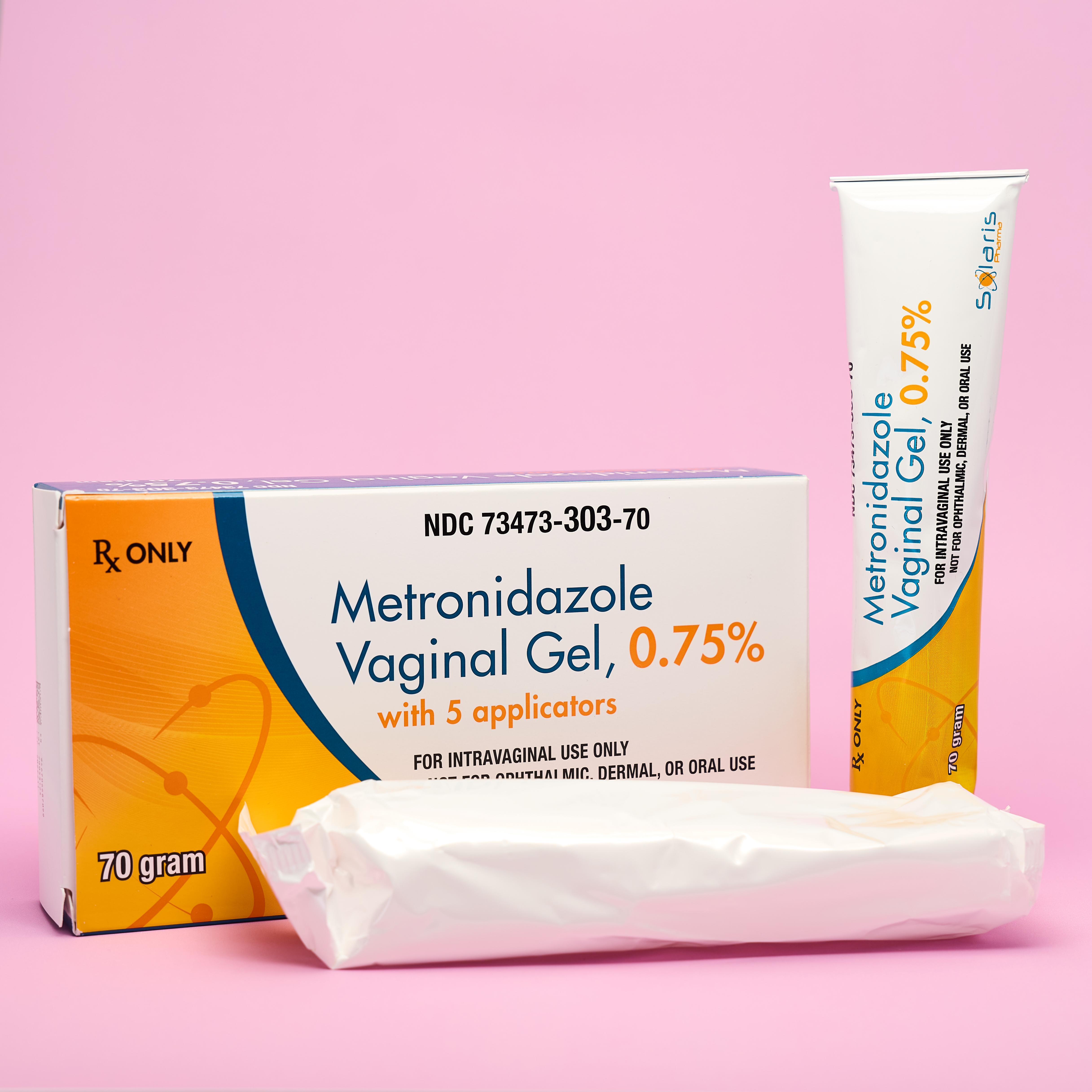
Metronidazole vaginal gel works through a process known as DNA disruption. Once gel is applied, medication enters bacterial cells. The bacteria activates the drug, changing it to its toxic form, and the drug then binds to bacterial DNA and causes strands to break.This activation only occurs in environments that lack oxygen, so metronidazole vaginal gel is effective at specifically treating bacterial vaginosis without harming “good” bacteria.
| Quick Facts | |
|---|---|
| Common Brands | MetroGel-Vaginal, Nuvessa, Vandazole |
| Drug Class | N/A |
| Generic Status | Generic version of MetroGel-Vaginal |
| Availability | Prescription only |
Dosing
Metronidazole gel is normally prescribed in one of two strengths. Your doctor may favor one over the other based on factors like medical history and severity of symptoms.
- 0.75% gel (MetroGel-Vaginal, Vandazole): These forms of the gel are typically prescribed for application once or twice daily for 5 days. Many providers recommend applying the gel at bedtime to maximize how long the medication remains in the vagina.
- 1.3% gel (Nuvessa): This form of the gel is normally prescribed as a single-dose treatment, applied once at bedtime.
Metronidazole vaginal gel requires an applicator to ensure the medication reaches upper areas of the vagina. Steps for using the applicator are as follows:
- Thoroughly wash both hands with soap and water
- Unscrew the tube and attach the end of the applicator to the tube
- Squeeze the tube gently into the applicator until it reaches the “fill line” or the tube is empty
- Detach the applicator from the tube
- Lie on your back with both knees bent and pulled toward the chest
- Insert the applicator as high into the vagina as it will comfortably reach
- Push the plunger all the way in to release the medication
- Remove the applicator
- Discard the applicator if it is single-use; wash immediately with warm water and mild soap if it is reusable
- Thoroughly rewash both hands with soap and water
Note: Dosing information is educational only. Your prescribing physician will determine your specific dose based on your individual health needs. Always follow your healthcare provider’s instructions for exact dosing.
Uses
FDA-Approved Uses
Metronidazole vaginal gel is FDA-approved to treat bacterial vaginosis for pregnant and non-pregnant women.
Off-Label Uses
You may see metronidazole prescribed for uses that are not “FDA-approved.” This is a very common and legal practice called “off-label” prescribing, where a doctor uses their clinical judgment to prescribe a drug for a different (but well-researched) purpose.Metronidazole vaginal gel is not prescribed off-label very often. Doctors may use it in certain clinical scenarios to treat trichomoniasis, but most continue to prefer oral metronidazole for sexually transmitted infections.
Get Savings Updates for Metronidazole Vaginal Gel
Join our mailing list for exclusive deals and more.
Side Effects
Metronidazole gel is applied locally, so it causes fewer systemic side effects than medications that enter the bloodstream. However, some side effects can still occur.
Common Side Effects
- Vaginal yeast infection
- Vaginal itching or burning
- Headache
- Metallic taste
- Nausea and stomach cramps
Serious Side Effects
Serious side effects are rare, but it’s important to know what to look for if they do occur. Serious side effects of using metronidazole vaginal gel can include:
- Peripheral neuropathy: This condition is characterized by numbness, tingling, and “pins and needles” sensations in the hands and feet.
- Seizures: While quite rare, some people have reported experiencing seizures after using the gel.
- Meningitis symptoms: Some metronidazole vaginal gel users report a fever, stiff neck, light sensitivity, and other symptoms of meningitis – though these instances are extremely rare.
- Severe allergic reaction: As can occur with a wide range of medication types, metronidazole vaginal gel carries a risk of anaphylaxis for people who are allergic to one or more of the gel’s ingredients.
Call your doctor immediately if you experience any concerning or prolonged symptoms.
Pharmacist Tips
Avoid Drinking for a Day
Per standard guidelines for metronidazole in pill and gel form, people who use this medication are advised to avoid consuming alcohol until at least 24 hours after their last dose of their course.
Apply Before Bed
There is a gravitational consideration when planning your metronidazole vaginal gel application. Applying the gel at bedtime helps the medication remain in contact with your vaginal walls for as long as possible.
Complete the Course
Standard guidelines recommend completing your entire metronidazole vaginal gel course, even if your symptoms disappear before the scheduled end date. Stopping early allows the strongest bacteria to survive and can lead to a rebound infection.
Consider a Liner
If you apply metronidazole gel in the morning, a small amount may leak out while you go about your day. A thin pantyliner can mitigate this issue, but it is not advised to use tampons because they absorb too much of the medication.
Discuss With Your Partner
Bacterial vaginosis is not traditionally considered a sexually transmitted infection, but can still be transmitted between female partners.
Drug Interactions
Metronidazole vaginal cream has a few known interactions, including:
- Warfarin: Metronidazole can intensify the thinning effects of warfarin, a blood thinner sold under the brand name Coumadin, and increase the risk of bleeding or bruising.
- Lithium: Metronidazole vaginal gel increases lithium levels in the blood, so using the gel with lithium medication can potentially lead to toxicity.
- Disulfiram: Disulfiram, sold under the brand name Antabuse, is commonly used in the treatment of alcoholics. Combining disulfiram and metronidazole vaginal gel can lead to confusion and psychotic episodes.
- Alcohol: Drinking alcohol while using metronidazole vaginal gel can produce similar effects to taking disulfiram. Even trace amounts found in mouthwash or cough syrup can trigger flushing, nausea, vomiting, and a racing heartbeat.
Always give your doctor and pharmacist a complete list of all your medications, vitamins, and supplements to check for potential interactions.
FAQs
Why can I not drink alcohol while using metronidazole vaginal gel?
Metronidazole in any form interferes with your body’s ability to break down alcohol after drinking. This can cause a toxic buildup of the chemical acetaldehyde and lead to symptoms like flushing, severe vomiting, pounding headache, and racing heartbeat.
Can I have sex while using metronidazole vaginal gel?
It is highly recommended to avoid vaginal intercourse while using metronidazole vaginal gel until treatment is finished and BV symptoms are gone. Sex can irritate the vaginal lining and introduce new bacteria, making the gel less effective.
Should I use the Metronidazole Vaginal gel in the morning or at night?
Standard guidelines advise to apply metronidazole vaginal gel at night. If you apply the medication during the day, some gel may leak out when you stand or walk. Applying before sleep helps ensure the medication will be absorbed to the fullest extent.
Can I use metronidazole vaginal gel while I am on my period?
Yes, you can use metronidazole vaginal gel while you are on your period. However, it is advised to avoid using tampons because they absorb too much of the medication – pads are preferred.
Is metronidazole vaginal gel safe to use during pregnancy?
Yes, metronidazole vaginal gel is safe to use during pregnancy and is FDA-approved to treat BV in pregnant women. However, it is recommended to speak to your OB-GYN before starting any new antibiotic medication, especially during the first trimester.
Does Metronidazole Vaginal gel treat yeast infections?
No, metronidazole vaginal gel does not treat yeast infections. The gel treats bacterial vaginosis, but is not effective against fungal yeast infections. In fact, metronidazole gel may produce a yeast infection by killing off good bacteria and upsetting the good/bad bacteria balance in your system.
What should I avoid while using Metronidazole gel?
Per the drug’s standard guidelines, it is recommended to avoid alcohol and products containing alcohol while using metronidazole vaginal gel. It is also advised to avoid other vaginal products without your doctor’s permission.
What should I do if the gel leaks out during the day?
A little leakage during the day is normal when you use metronidazole vaginal gel, as the base of the gel can seep out after resting against the vaginal wall. A pantyliner can protect your clothing and prevent unsightly blemishes on the fabric. It is not recommended to re-apply the gel unless under strict instructions from your doctor.
Can I use tampons while being treated with metronidazole gel?
No, it is not advised to use tampons while being treated with metronidazole gel because they absorb too much of the medication. Menstrual pads or liners are usually preferred during the treatment course.
Can I use douches to clean the gel out?
No, it is advised to never douche while using metronidazole vaginal gel. Standard guidelines state patients should allow their body to clear the gel naturally. Douching can wash away protective lactobacilli, and may be a risk factor for developing BV in the first place.
What is the difference between MetroGel-Vaginal and Nuvessa?
Both MetroGel-Vaginal and Nuvessa contain metronidazole as an active ingredient, but the medications have different strengths and durations of treatment. MetroGel-Vaginal is a 0.75% gel normally prescribed for a 5-day course, whereas Nuvessa is a 1.3% gel used as a single, one-time dose.
Will Metronidazole gel treat chlamydia or gonorrhea?
No, metronidazole gel does not treat chlamydia or gonorrhea. These sexually transmitted infections require a different type of antibiotic, such as azithromycin or ceftriaxone.
How do I clean the reusable applicator?
To clean a reusable metronidazole vaginal gel applicator, first extract the plunger from the cylinder and wash both components in warm, soapy water. Rinse thoroughly and allow the parts to dry on a clean towel before reassembling the applicator.
Can I go swimming while using metronidazole vaginal gel?
It is not advised to swim while using metronidazole vaginal gel. Chemicals like chlorine and bromine used to clean pools and hot tubs can irritate the vagina, and the water may wash away some of the medication.
Comparable Medications
Metronidazole
From $22.99
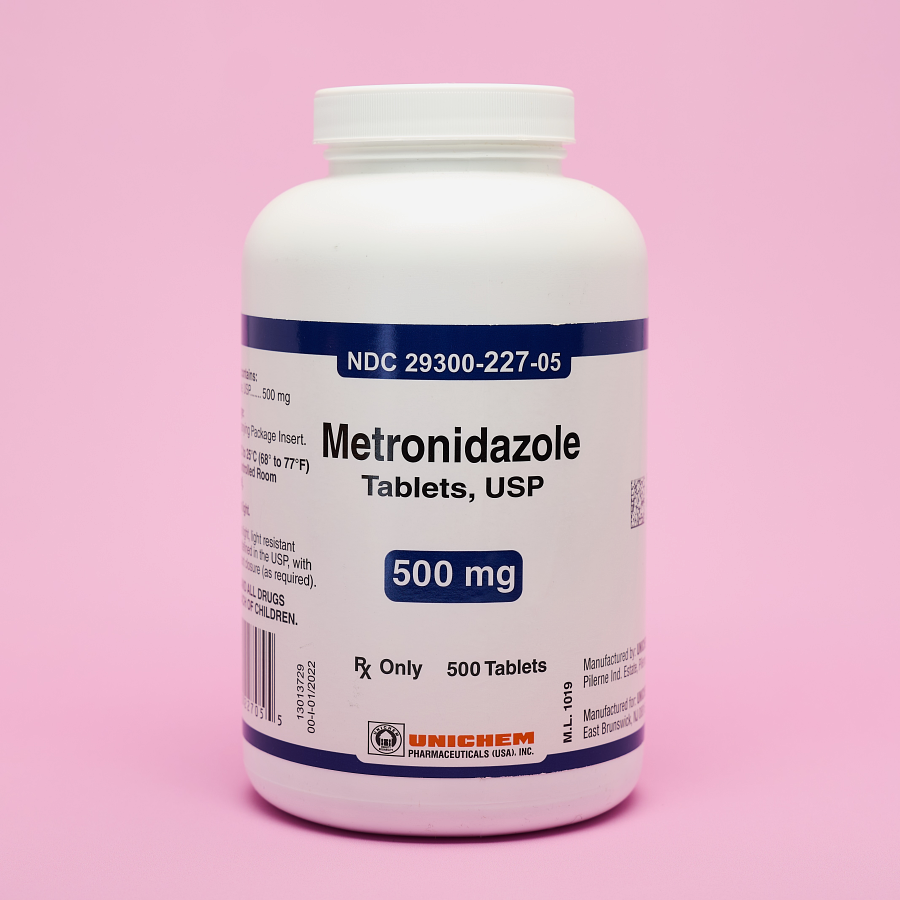
Metronidazole in oral tablet form has a more systemic effect on the body. It is effective for treating BV, as well as other sexually transmitted infections and systemic infections, whereas the localized, non-systemic effects of metronidazole vaginal gel may be preferred when treating BV on its own.
Clindamycin Vaginal Cream
From $159.99
Metronidazole vaginal gel and clindamycin vaginal cream both treat BV, and at roughly the same cure rate. Clindamycin is normally prescribed as a 7-day course, and may be an option for people who are allergic to metronidazole, but the risk of developing yeast infections is higher. Metronidazole, on the other hand, is associated with stronger side effects like nausea.
Tinidazole Tablets
From $108.99
Tinidazole, sold under the brand name Tindamax, is an oral medication that can be used to treat BV and trichomoniasis. Its treatment course is typically shorter and often limited to a single dose, but is considered more effective against protozoal infections. Metronidazole is considered front-line treatment – and typically preferred by providers – for treating BV.
Boric acid suppositories
Metronidazole vaginal gel works as an antibiotic to treat BV, while a boric acid suppository helps restore the pH balance after the bacterial infection has been removed. Many doctors prescribe both, in sequence, to treat BV and support long-term vaginal health.
We Have Metronidazole Vaginal Gel in Stock. Get Yours Today!
Important: Information on this page is for educational purposes only. Prescribing decisions are made by independent, licensed providers. TelyRx operates technology-enabled pharmacies and a telehealth platform that connects patients with board-certified licensed providers. Prescriptions, when provider-approved and issued, are filled and shipped by TelyRx-affiliated pharmacies. We do not employ physicians or make prescribing decisions. Learn more about our editorial standards here.