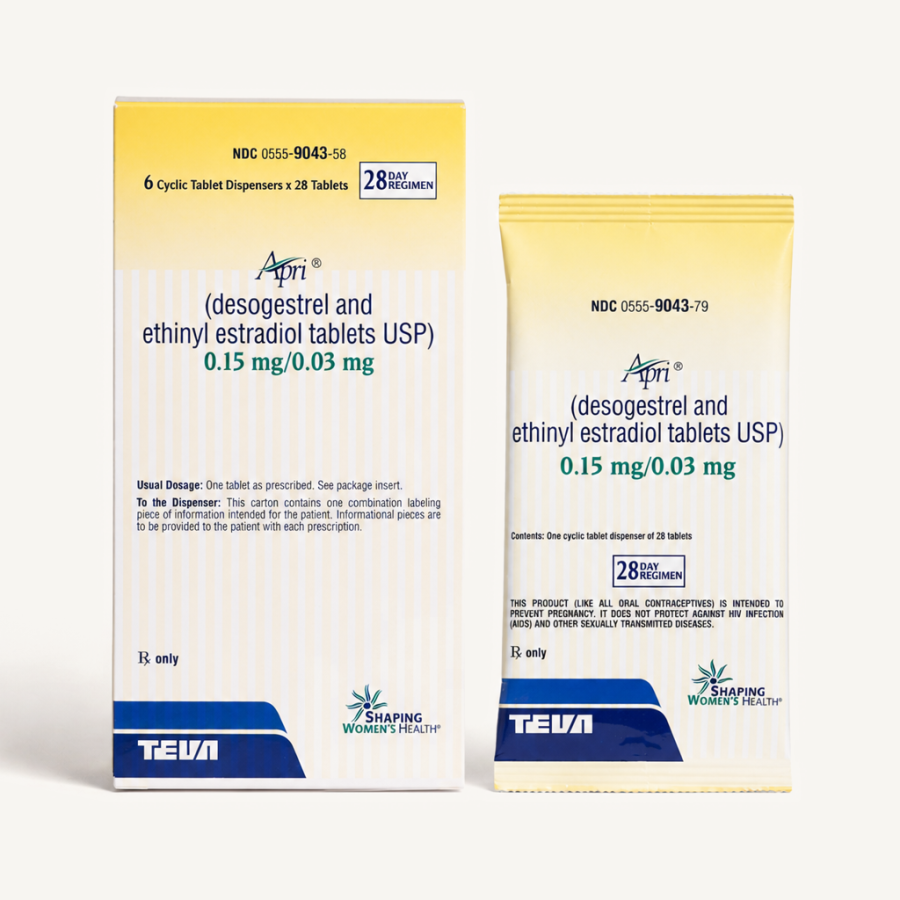
Apri contains two hormones, ethinyl estradiol and desogestrel, which work together to prevent pregnancy through multiple mechanisms. By suppressing ovulation, the ovaries do not release an egg each month. At the same time, the medication thickens cervical mucus, making it harder for sperm to reach an egg, and alters the lining of the uterus to make implantation less likely. When taken daily at the same time each day, Apri is highly effective at preventing pregnancy.
In addition to contraception, Apri may help regulate menstrual cycles, reduce menstrual cramps, and lessen bleeding for some patients. It is taken in a daily cycle that includes hormone-containing tablets followed by inactive tablets, during which a withdrawal bleed usually occurs. Patients should be counseled on the importance of adherence, what to do if doses are missed, and that Apri does not protect against sexually transmitted infections. Smoking, especially in patients over 35 years of age, significantly increases the risk of serious cardiovascular side effects and should be avoided. Healthcare providers may review personal and family medical history before prescribing to ensure the medication is appropriate.
Common side effects of Apri include nausea, breast tenderness, headache, bloating, mood changes, and spotting or breakthrough bleeding, especially during the first few months of use. Some patients may experience changes in weight or skin, such as acne improvement or worsening. Serious but uncommon side effects include blood clots, stroke, heart attack, high blood pressure, liver problems, and gallbladder disease. Patients should seek immediate medical attention for symptoms such as leg pain or swelling, chest pain, sudden shortness of breath, severe headache, vision changes, or weakness on one side of the body.
This information should not be used to decide whether or not to take this medicine or any other medicine. Only a healthcare provider has the knowledge and training to decide which medicines are right for you. TelyRx does not endorse any medicine as safe, effective, or approved for treating any patient or health condition. This is only a limited summary of general information about the medicine’s uses from the patient education materials and is not intended to be comprehensive. This limited summary does NOT include all information about the possible uses, directions, warnings, precautions, interactions, adverse effects, or risks that may apply to this medicine. This information is not intended to provide medical advice, diagnosis or treatment and does not replace information you may receive from your healthcare provider. For a more detailed summary of information about the risks and benefits of using this medicine, please review the entire patient education information you receive with the medication.