How It Works
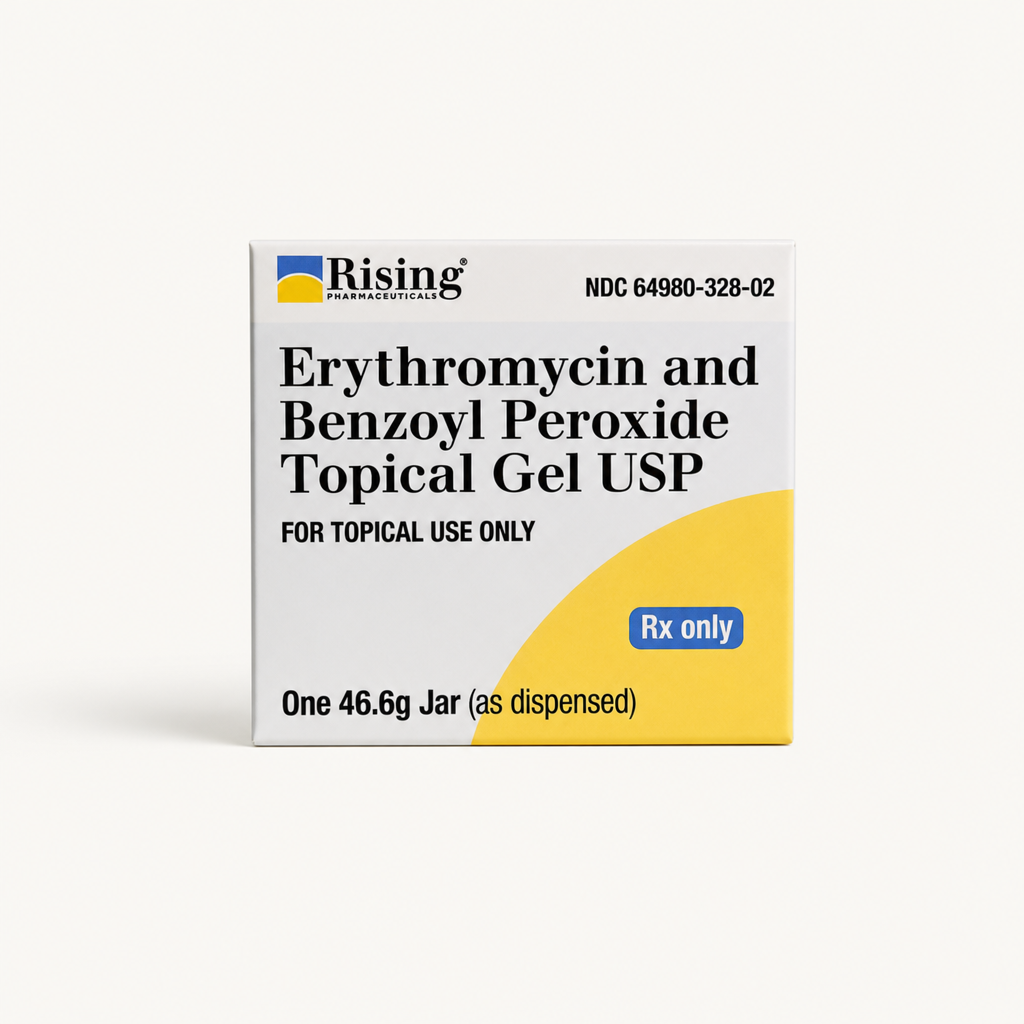
Erythromycin and benzoyl peroxide gel work with a dual-action mechanism. As a macrolide antibiotic, erythromycin inhibits bacterial protein synthesis. Hindering the growth of these microbes reduces acne-causing bacteria within the pore and relaxes the inflammatory response. This, in turn, leads to less redness and swelling.
Benzoyl peroxide works by penetrating the pores and releasing free radicals that kill acne-causing bacteria. It also has mild pore-clearing properties that help shed dead skin cells and reduce clogged pores, which can contribute to breakouts. Benzoyl peroxide has the added benefit of helping prevent bacteria from developing resistance to erythromycin, a common problem when topical antibiotics are used alone.
| Quick Facts | |
|---|---|
| Common Brands | Benzamycin |
| Drug Class | Topical antibiotic / acne agent |
| Generic Status | Generic version available |
| Availability | Prescription only |
Dosing
Consistent application is key to using erythromycin and benzoyl peroxide gel effectively. Per standard guidelines, patients are advised to prepare their skin before application to help ensure maximum absorption and minimal irritation.
- Preparation: Wash the skin with a gentle, non-medicated cleanser and pat it completely dry before each application. Waiting 15 to 20 minutes after preparing the application site can reduce the stinging sensation.
- Application: Providers typically recommend applying a thin film of gel to the entire affected area, rather than targeting individual spots. This broader approach can help prevent new pimples from forming in the skin surrounding current acne.
- Frequency: Doctors typically recommend two applications a day: in the morning and then again in the evening. However, providers may suggest a once-daily application for patients with sensitive skin.
Note: Dosing information below is educational only. Your prescribing physician will determine your specific dose based on your individual health needs. Always follow your healthcare provider’s instructions for exact dosing.
Uses
FDA-Approved Uses
Erythromycin and benzoyl peroxide gel is FDA-approved for the topical treatment of acne vulgaris. It is commonly prescribed to help reduce inflammatory acne lesions, such as papules and pustules.
Off-Label Uses
You may see erythromycin and benzoyl peroxide gel prescribed for uses that are not “FDA-approved.” This is a very common and legal practice called “off-label” prescribing, where a doctor uses their clinical judgment to prescribe a drug for a different (but well-researched) purpose.
There are no widely accepted or well-supported off-label uses for erythromycin-benzoyl peroxide gel.
Side Effects
Erythromycin and benzoyl peroxide side effects are generally localized to application sites. Some side effects indicate the medication is working as intended by increasing skin cell turnover.
Common Side Effects
Common side effects of using erythromycin and benzoyl peroxide gel include:
- Dryness and peeling
- Mild pinkish hue or flushing of the skin (erythema)
- Stinging or burning after application
- Mild itching or tenderness
- Hives
Serious Side Effects
Serious side effects are rare, but it’s important to know what to look for if they do occur. Serious side effects from using erythromycin and benzoyl peroxide gel can include:
- Antibiotic-associated diarrhea: Although topical antibiotic use rarely leads to diarrhea, erythromycin-containing products carry an FDA warning for antibiotic-associated diarrhea, including Clostridioides difficile infection. Seek immediate medical attention if you develop severe, persistent, watery, or bloody diarrhea during treatment or even several weeks after stopping the medication.
- Severe skin blistering: Standard guidelines advise patients to discontinue use of the gel and contact your healthcare provider if you develop severe skin irritation, such as intense redness, burning, peeling, or discomfort. Your provider may recommend adjusting your treatment or switching to a different acne medication.
- Severe allergic reaction: Although rare, erythromycin and benzoyl peroxide gel can cause serious allergic reactions in people who are sensitive to its ingredients. Stop using the medication and seek immediate medical attention if you develop symptoms such as swelling of the face, lips, tongue, or throat, difficulty breathing, hives, or a severe rash.
Call your doctor immediately if you experience any concerning or prolonged symptoms.
Pharmacist Tips
Always Refrigerate
Once mixed by the pharmacist, the erythromycin and benzoyl peroxide gel begins to lose potency over time. Patients are advised to store the medication in their refrigerator at 36-46 degrees and not to freeze. The medication is usually effective up to 3 months after mixing, at which time patients can discard any remaining gel from the previous prescription fill.
Watch Your Clothes And Linens
Benzoyl peroxide is a powerful bleaching agent, so the gel can permanently stain colored towels, sheets, pillowcases, and clothing. Wait at least 30 minutes after applying the gel before coming into contact with colored fabrics or use white linens.
Stay Safe In The Sun
Erythromycin and benzoyl peroxide gel does not cause the same level of photosensitivity as other topical acne treatments, but it can still thin the outer layer of dead skin. Providers typically recommend applying a non-comedogenic SPF 30+ lotion every morning.
Moisturize Strategically
Standard guidelines suggest waiting 10 minutes after applying erythromycin and benzoyl peroxide gel before using a daily moisturizer to prevent dryness. Not waiting long enough between applications can cause the moisturizer to dilute the acne medication, making it less effective.
Drug Interactions
Since erythromycin and benzoyl peroxide gel is a topical treatment, systemic side effects are much less common. Known interactions with erythromycin and benzoyl peroxide gel include:
- Other acne topicals: Using erythromycin and benzoyl peroxide gel with other acne products, especially those with peeling, exfoliating, or drying effects, may increase skin irritation, redness, dryness, or peeling.
- Topical clindamycin: Using topical clindamycin and erythromycin simultaneously may interfere with each other’s antibacterial activity when used together. Avoid combining these medications unless directed by your healthcare provider.
- Topical dapsone: Using benzoyl peroxide with topical dapsone may temporarily cause orange-brown discoloration of the skin or facial hair. The discoloration is harmless and usually resolves after treatment is stopped.
Always give your doctor and pharmacist a complete list of all your medications, vitamins, and supplements to check for potential interactions.
FAQs
Why must erythromycin and benzoyl peroxide topical gel be stored in a refrigerator?
Erythromycin is chemically unstable at room temperature once it has been mixed with a gel base. Refrigeration slows down the degradation process, ensuring the medication remains usable for months before you need to refill the prescription.
Does erythromycin and benzoyl peroxide bleach clothing, towels, or pillowcases?
Yes, the gel bleaches clothing, towels, pillowcases, and hair. Benzoyl peroxide is a known bleaching agent. Wait at least 30 minutes after applying the gel to come into contact with colored fabrics to reduce the risk of bleaching.
How long does erythromycin and benzoyl peroxide take to reduce acne?
Erythromycin and benzoyl peroxide gel typically takes 2 to 3 months to reach full therapeutic effect. Many patients report no change during the first few weeks.
Can erythromycin and benzoyl peroxide be applied as a spot treatment, or should they be applied to the entire affected area?
Per standard guidelines, erythromycin and benzoyl peroxide gel is intended to be applied to the entire affected area and is not meant as a spot treatment. This method helps prevent new pimples from forming in the skin surrounding current acne breakouts.
Why do erythromycin and benzoyl peroxide cause skin dryness or peeling during the initial application?
The gel may cause dryness and peeling because benzoyl peroxide helps shed dead skin cells and has a mild pore-clearing effect. As your skin adjusts to treatment, these effects can temporarily disrupt the skin barrier, leading to dryness, peeling, or mild irritation, especially during the first few weeks of use.
These effects are common and often improve as your skin becomes accustomed to the medication. Using a gentle moisturizer and avoiding other irritating skincare products may help reduce discomfort.
Is it safe to apply a daily facial moisturizer at the same time as erythromycin and benzoyl peroxide?
You may continue your daily moisturizer regimen while using erythromycin and benzoyl peroxide. However, wait at least 10 minutes after applying the anti-acne gel before using daily moisturizer. This helps ensure the moisturizer does not dilute the medication.
How does combining erythromycin and benzoyl peroxide mitigate bacterial resistance compared to using erythromycin alone?
Benzoyl peroxide kills bacteria directly through oxidation. This helps erythromycin and benzoyl peroxide gel prevent the survival and selection of antibiotic-resistant strains that often emerge when erythromycin alone is used to treat acne.
Can I use salicylic acid products while applying erythromycin and benzoyl peroxide?
Standard guidelines recommend exercising caution when combining salicylic acid with erythromycin and benzoyl peroxide unless directed by a dermatologist. Combining the topicals may increase skin irritation, dryness, or peeling.
Is erythromycin and benzoyl peroxide approved to treat nodulocystic acne?
No, erythromycin and benzoyl peroxide gel is not FDA-approved to treat nodulocystic acne. Severe or cystic acne often requires oral isotretinoin, antibiotics, or some other form of systemic therapy.
How many times a day should erythromycin and benzoyl peroxide be applied to the skin?
Erythromycin and benzoyl peroxide gel is typically applied twice a day: once in the morning and again in the evening. However, a provider may deviate from standard recommendations based on their patient’s symptoms and tolerances.
Comparable Medications
Erythromycin and Benzoyl Peroxide Gel, Clindamycin and Benzoyl Peroxide, Tretinoin, Benzoyl Peroxide, or Doxycycline?
Erythromycin and benzoyl peroxide gel is a topical medication that uses a dual-action mechanism to treat inflammatory acne. Your doctor may find other acne medications more suitable for your needs based on factors such as age, medical history, and symptom severity. Alternatives to erythromycin and benzoyl peroxide gel include:
Clindamycin and Benzoyl Peroxide
From $29.99
Like erythromycin and benzoyl peroxide gel, BenzaClin combines an antibiotic with benzoyl peroxide to treat acne. The primary difference is the antibiotic used, clindamycin instead of erythromycin. Unlike erythromycin and benzoyl peroxide gel, BenzaClin can be stored at room temperature after it is prepared, making it more convenient for some patients. Both products have a 3-month shelf life after reconstitution.
Tretinoin
From $47.99
Tretinoin, sold under the brand name Retin-A, is a retinoid that increases cell turnover, helps prevent clogs, and reduces inflammation. Unlike erythromycin and benzoyl peroxide, it does not contain an antibiotic. Tretinoin is often used as a long-term acne treatment to help prevent new breakouts, while erythromycin and benzoyl peroxide primarily target acne-causing bacteria and may be used to reduce inflammatory lesions.
Benzoyl Peroxide Topical Wash
From $34.99
Benzoyl peroxide is available over the counter as a standalone clearing agent, but this medication lacks the prescription-strength antibiotic component. While it can clear pores effectively, erythromycin and benzoyl peroxide provide a secondary pathway to kill bacteria and reduce the redness and swelling of deep blemishes.
Doxycycline
Doxycycline is an oral antibiotic that may be prescribed for moderate-to-severe inflammatory acne or acne that does not respond adequately to topical treatments alone. Unlike erythromycin and benzoyl peroxide gel, doxycycline works throughout the body and may cause systemic side effects such as stomach upset, increased sun sensitivity, or (less commonly) yeast infections. It is often used alongside topical treatments, including benzoyl peroxide and retinoids, as part of a broader acne treatment plan.
We Have Erythromycin and Benzoyl Peroxide Gel in Stock. Get Yours Today!
Important: Information on this page is for educational purposes only. Prescribing decisions are made by independent, licensed providers. TelyRx operates technology-enabled pharmacies and a telehealth platform that connects patients with licensed providers. Prescriptions, when provider-approved and issued, are filled and shipped by TelyRx-affiliated pharmacies. We do not employ physicians or make prescribing decisions. Learn more about our editorial standards here.