



Erectile dysfunction (ED) is a common type of male sexual dysfunction characterized by difficulty achieving or maintaining an erection. ED can occur at any age, but the condition is more common as men get older. Roughly 40% of men report ED symptoms at age 40, and 70% report symptoms at age 70.
A wide range of erectile dysfunction treatment options are available. These include oral medications, topical creams and gels, medicated injections, non-medicated mechanical devices like pumps, and penile surgery, which all vary in terms of cost and accessibility. Learn more about your options for the right erectile dysfunction treatment as an important first step.
Erectile Dysfunction Treatment Options
| Treatment | Examples |
| As-needed pills | Sildenafil (Viagra), tadalafil (Cialis), vardenafil (Levitra, Staxyn) |
| Creams and gels | Eroxon, alprostadil (Vitaros, Stardil) |
| Injections | Intracavernosal injection |
| Non-drug mechanical devices | Vacuum erection devices (VEDs), constriction rings, penile support devices, penile traction devices |
| Surgery | Penile implants |
| Supplements | L-arginine, L-citrulline, ginseng, propionyl-L-carnitine, vitamin D, zinc, magnesium, B vitamins |
| Lifestyle changes | Getting regular exercise, maintaining a healthy weight, quitting smoking |
What is the Most Successful Treatment for ED?
Statistically, as-needed oral medication is the most successful ED treatment for many men. Erectile dysfunction drugs like sildenafil (Viagra), tadalafil (Cialis), and vardenafil (Levitra, Staxyn) belong to a medication class known as PDE5 inhibitors. They work by blocking enzymes that constrict blood vessels, helping to increase blood flow to the penis. Oral ED pills require sexual stimulation to promote arousal and produce an erection.
PDE5 inhibitors are the most common first-line treatment for ED because they boast a 60% to 70% success rate. They are also widely available and, when covered under insurance or purchased through a telehealth platform like TelyRx, can be relatively inexpensive.
However, this treatment pathway isn’t for everyone. Doctors may recommend alternative ED treatments for people who have certain preexisting medical conditions, such as severe cardiovascular disease or high blood pressure, or take medications that interact significantly with PDE5 inhibitors. If you cannot take oral medication or have not found success with PDE5 inhibitors, there are still other options to consider.
Newer ED Treatments: Erectile Dysfunction Creams and Gels
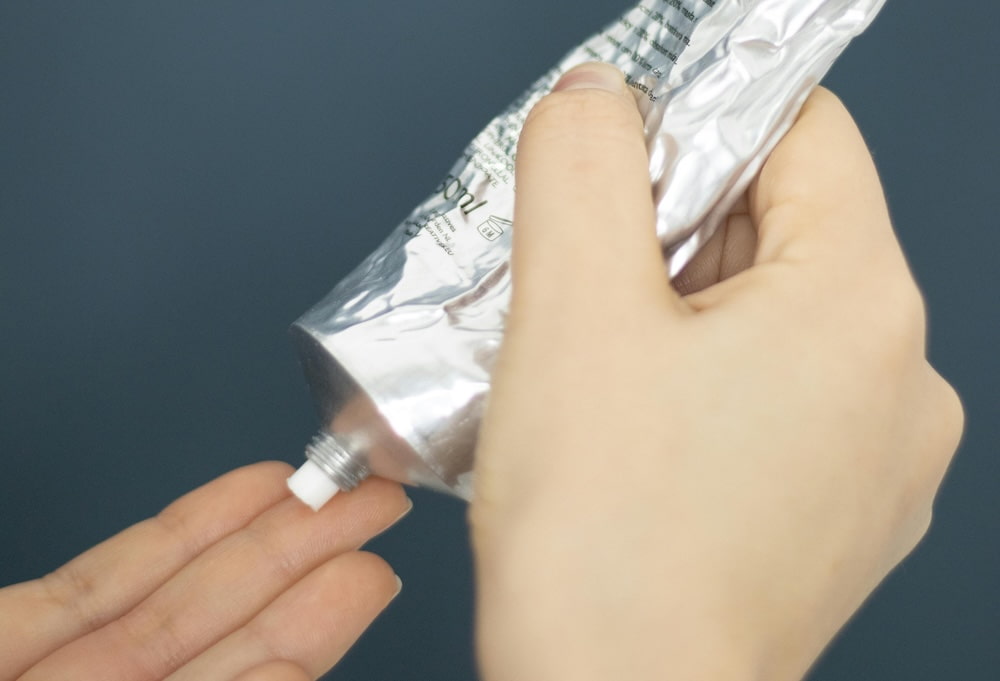
In addition to the traditional approach of as-needed oral ED pills, there are newer topical ED treatments available. In 2022, the FDA approved Eroxon gel as the first over-the-counter topical for treatment of erectile dysfunction.
Topical erectile dysfunction creams or gels are formulated to stimulate blood flow to the penis, and they often have a faster onset than oral pills with fewer systemic side effects. For example, Eroxon stimulates nerve endings in the penis through timed temperature changes by being cool upon application, then gradually warming to promote stronger blood flow and produce a natural erection.
At-Home Injections for ED
At-home injections for ED, also known as intracavernous injections (ICI), are an effective — albeit, more invasive — erectile dysfunction treatment alternative to oral pills and topical gels. These injections contain vasodilating medications like papaverine and phentolamine that widen blood cells and increase blood flow to the tip of the penis. Patients inject the needle into the side of their penis. While this may sound painful, the needle is very fine, and applying certain numbing creams or gels to the injection site can help reduce discomfort.
Consulting a healthcare professional is required for at-home ED injections. Your doctor will
perform the initial injection in a clinical setting to demonstrate the process, and train you on the precise techniques to prevent injury and scarring during self-administration.
Mechanical Solutions like Pumps and Vacuum Devices
Mechanical solutions for ED include the vacuum erection device (VED), also known as a penis pump or erectile dysfunction pump. These devices, which may be manually or battery operated, feature a plastic tube that fits snugly over the tip of the penis. The pump draws air out of the tube, creating a vacuum seal that increases blood flow to the penis to produce an erection. An elastic band at the base of the penis helps maintain the erection for as long as needed.
VEDs are often effective, with some studies pointing to a success rate of 90% or higher, but devices can be expensive and can lead to side effects like irritation and temporary skin discoloration. People with preexisting conditions like sickle cell disease or hemophilia, and those who take blood thinners, should talk to their doctor about whether it’s safe for them to use a penis pump.
Erectile Dysfunction Surgery
Erectile dysfunction surgery typically involves penile implants. Inflatable penile implants are considered the gold standard, with a satisfaction rate above 90%. These implants involve a complex hydraulic network of cylinders and pumps to pull fluid into the penis when an erection is desired, then deflate the penis and return it to a flaccid state after intercourse. Alternatively, some implants use semi-rigid rods that allow the penis to be gently bent into an erect, upright position for sexual intercourse.
As with any medical operation, erectile dysfunction surgery requires thorough preparation. A doctor must evaluate the patient’s medical and surgical history, perform a full medical examination, and counsel the patient about their implant placement and operation. Recovery time varies, but typically lasts 4 to 6 weeks. For some patients, full recovery can take up to 2 years.
Erectile dysfunction surgery is considered a last resort for people who have not found success with less invasive ED treatment options, such as oral pills, topical gels, and vacuum erection devices.
Home Remedies and Natural Treatments

Certain supplements and other non-medicinal remedies for erectile dysfunction may improve ED symptoms. For example, overall cardiovascular health can impact sexual health and performance, so lifestyle changes that improve heart health could also positively affect erectile function.
Supplements for Erectile Dysfunction
Studies have shown that various dietary supplements can improve ED symptoms. The best supplement for erectile dysfunction varies from person to person, and depends on factors like age and medical history. Common supplements for erectile dysfunction include:
- L-arginine: An amino acid that your body converts into nitric oxide, which may help relax blood vessels in the penis to improve blood flow.
- L-citrulline: An amino acid that relaxes blood vessels and may improve circulation to the penis.
- Panax ginseng: An herbal remedy thought to improve sexual function, increase libido, and boost energy levels.
- Propionyl-L-carnitine: An amino acid that helps improve blood flow and may be used alongside PDE5 inhibitor oral medications.
- Vitamin D: Vitamin D deficiency has been linked to ED, especially in men with certain underlying conditions like diabetes or heart disease. Increasing vitamin D intake may help counteract the deficiency.
- Zinc and magnesium: Both of these micronutrients play a vital role in testosterone regulation and sperm production, so increasing intake may help improve sexual function.
- B vitamins: B vitamins, particularly vitamin B3 (niacin) and vitamin B12, may improve ED symptoms by promoting blood flow.
The FDA does not evaluate dietary supplements, so these remedies are not FDA-approved to treat erectile dysfunction, though some supplements have been thoroughly studied for efficacy. It’s also essential to speak with your doctor before taking a dietary or herbal supplement for erectile dysfunction because supplements can interact with other medications, which can potentially lead to serious side effects. Review your medical and drug history for potential interactions before taking any dietary supplements for ED.
Lifestyle Changes for ED
Making certain lifestyle and routine changes can treat symptoms of erectile function by increasing circulation, balancing hormone levels, and improving overall heart health. Your doctor may recommend the following lifestyle changes as part of your ED treatment:
- Get more exercise: Providers often emphasize aerobic exercise to improve cardiovascular health and weight training to increase testosterone levels for men with ED.
- Follow a healthy diet: A balanced diet of fruits, vegetables, whole grains, lean proteins, and fish is essential to your overall health. For ED, flavonoid-rich fruits like berries, citrus fruits, and apples can help widen arteries and increase blood flow. Foods that are high in fat, salt, or processed sugar can have the opposite effect, restricting blood flow and thereby worsening ED symptoms.
- Maintain a healthy weight: Vascular diseases and diabetes are two common underlying causes of erectile dysfunction, and obesity is a risk factor for both conditions. A healthy weight is associated with better erectile function.
- Quit smoking: Direct use of tobacco and secondhand smoke have both been linked to a higher risk of ED. Quitting smoking can have a positive effect on erectile function.
- Limit alcohol use: Drinking to excess can alter hormone levels and affect nerve function. Reducing alcohol consumption can prevent erectile dysfunction from alcohol or in some cases, reverse the effects of alcohol-related ED.
This list is not exhaustive. Talk to your doctor about which lifestyle changes for ED would be particularly beneficial to you.
Alternative Medicines and Therapies for ED
If oral medications, topical gels, and other more common ED treatments are not successful, patients may explore alternative medicines and therapies. For example, shock wave therapy is a treatment that uses low-intensity waves to widen blood vessels in the penis. Another potential ED solution is acupuncture. Some studies suggest acupuncture can improve circulation to the penis for people with ED, though more research is still needed to draw a conclusive link between acupuncture and erectile dysfunction.
Alternative medicines and therapies for erectile dysfunction often require a prescription or provider’s referral. Talk to your doctor about which, if any, of these alternative treatment options for ED are right for you.
Psychogenic vs. Venogenic Erectile Dysfunction Treatments
When discussing erectile dysfunction treatment, it’s important to distinguish between the two primary ED types based on the underlying cause: psychogenic and venogenic.
Psychogenic Erectile Dysfunction
Psychogenic ED originates from the mind with psychological factors, like performance anxiety or depression. Counseling and behavioral therapy are common treatment paths for psychogenic erectile dysfunction treatment. Doctors may also suggest short-term use of PDE5 inhibitor oral pills to help break the cycle of anxiety and restore erectile function.
Venogenic Erectile Dysfunction
Venogenic ED originates from a physical venous leak that causes an increased outflow of blood, restricting circulation to the penis. Weakened veins, heart valves, or surrounding tissue are often to blame.
PDE5 inhibitor medication is typically the first-line treatment for venogenic ED, and doctors may recommend at-home injections if oral pills are not successful. Other more intensive venogenic erectile dysfunction treatment options include vacuum erection devices and surgery. Since venogenic ED is frequently rooted in cardiovascular issues, lifestyle changes to improve heart health like taking daily walks and maintaining a healthy weight may also help.
How to Choose the Right ED Treatment
To choose the right ED treatment, consult with your doctor about oral or topical medications, alternative therapies, surgical procedures, and lifestyle changes that best align with your health history and goals.
No erectile dysfunction treatment is universally successful, but there are also ample options for treatment. While it is normal to become frustrated or hopeless when an initial treatment doesn’t treat your ED symptoms, keep in mind that there are still alternatives to try that can be more successful than first-line ED medication.
Your Next Steps
Now that you know about the various treatment options for ED, consider scheduling an appointment with your primary healthcare provider to create a plan of action. There are also certain improvements you can work on right away, such as improving your diet and committing to quitting smoking. Getting a jump on these lifestyle changes can give you an advantage once your treatment officially begins.
When you meet with your doctor, it’s important to be completely transparent about your medical history. Oral ED medications like sildenafil (Viagra) and tadalafil (Cialis) and topical ED gels may interact with other medications you take, while other treatments like using penis pumps may not be suitable for people with certain medical conditions. An honest dialogue with your provider about your overall health is the best bet for successfully treating erectile dysfunction.
Our experts

Written by
Mariah Powers is a wellness content strategist and writer with over seven years' experience developing clear, informative narratives on complex health topics for pharmaceutical manufacturers, hospitals, therapy clinics, and clean-living companies. Leveraging SEO product development insights, she crafts data-driven health topics, empowering readers to live healthier, happier lives.

Reviewed by
Ashley Robinson, PharmD
Ashley Robinson oversees daily operations at TelyRx's Clearwater pharmacy location, optimizes workflow efficiency, and ensures compliance with regulatory standards while maintaining a strong focus on patient safety and quality of care. She collaborates closely with clinical and operations teams to evaluate new medications, support formulary development, and implement process improvements that enhance both patient outcomes and team performance.
This blog post is for informational purposes only and does not constitute medical advice, diagnosis, or treatment. The content provided here is not a substitute for professional medical advice, consultation, or care from a qualified healthcare provider. Always seek the guidance of your physician or another licensed health professional with any questions you may have regarding a medical condition or treatment. Do not disregard or delay seeking professional medical advice based on information read on this site. Learn more about our editorial standards.