

How It Works
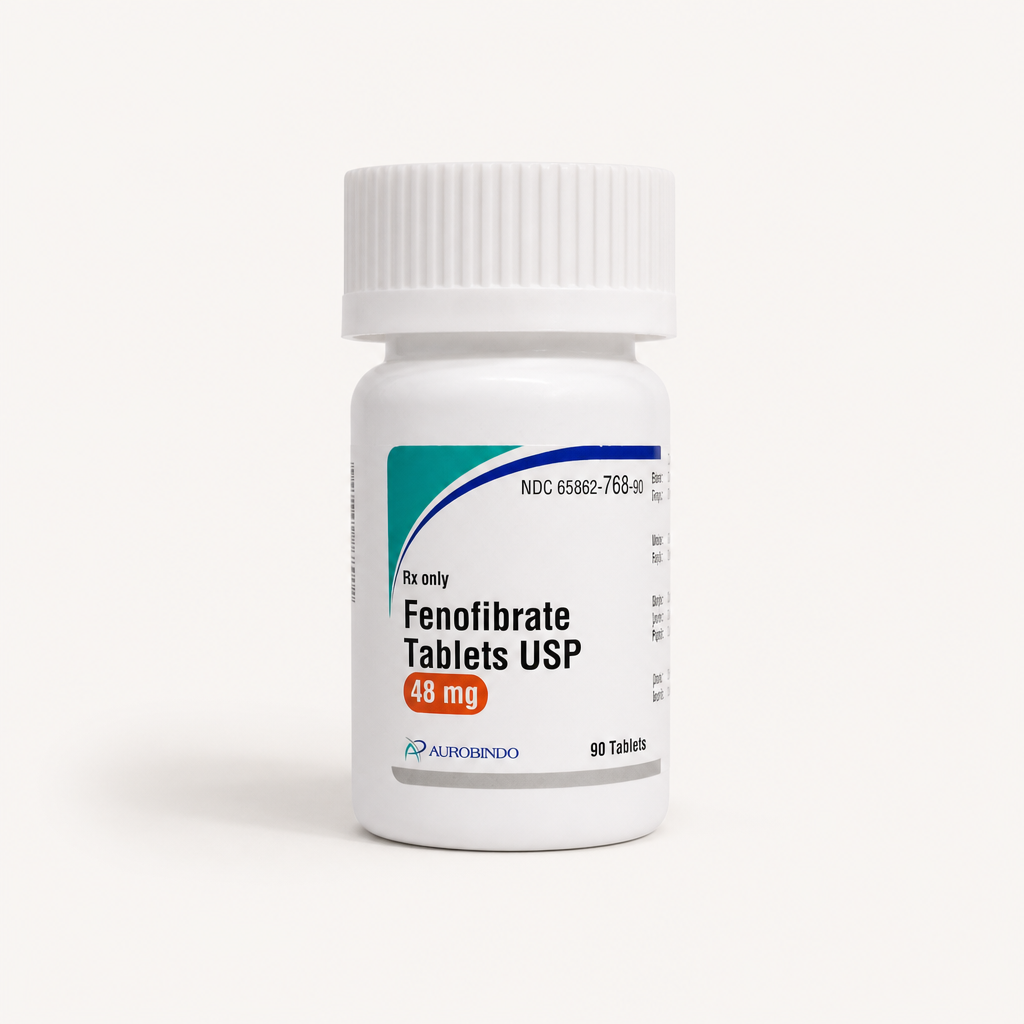
Fenofibrate belongs to a class of medications called fibrates. It works by accelerating the natural breakdown and removal of lipids, such as triglycerides and low-density lipoprotein cholesterol (LDL-C, or “bad” cholesterol), from the bloodstream. By lowering the amount of these fats in the blood, fenofibrate may help prevent arteries from becoming blocked or damaged.
Additionally, this medication helps your body produce more high-density lipoprotein cholesterol (HDL-C, or “good” cholesterol). High levels of HDL-C lower the risk of stroke and heart problems.
| Quick Facts | |
|---|---|
| Common Brands | Antara, Fenoglide, Lipofen, TriCor, Triglide, Trilipix |
| Drug Class | Fibrate |
| Generic Status | Generic is available |
| Availability | Prescription only |
Dosing
Fenofibrate is typically taken once daily by mouth. The required dosage varies depending on the specific formulation being used, the condition being treated, and whether the patient has any underlying kidney problems.
Certain formulations, such as Antara and Tricor, may be taken with or without meals. Other brands, like Fenoglide and Lipofen, should generally be taken with food for proper absorption and efficacy.
Capsules and tablets should be swallowed whole and should not be crushed, chewed, cut, or opened, as doing so can damage the medication and result in an incorrect dose.
Note: The dosing information below is for educational purposes only. Your prescribing physician will determine your specific dose based on your individual health needs. Always follow your healthcare provider’s instructions for exact dosing.
Uses
FDA-Approved Uses
Fenofibrate is FDA-approved for the treatment of high triglycerides as an add-on therapy to dietary modifications. It is also approved for the treatment of high levels of “bad” cholesterol (LDL-C), with or without elevated triglycerides and low “good” cholesterol (HDL-C), when used alongside a proper diet.
Off-Label Uses
Providers can prescribe medications for uses that the FDA has not approved. This common and legal practice, called off-label prescribing, occurs when a doctor uses their clinical judgment to prescribe a drug for a different but well-researched purpose.
Fenofibrate does not have commonly used off-label indications, but doctors may consider fenofibrate for other uses based on their clinical judgment.
Side Effects
Like all medications, fenofibrate can cause side effects. Some common side effects may improve over time as your body adjusts to the medication. Other side effects may be serious and require medical attention.
Common Side Effects
- Liver enzyme elevations
- Abdominal or stomach pain
- Runny or stuffy nose
- Lung problems
- Diarrhea
- Constipation
- Back pain
- Headache
- Nausea
- Rash
Serious Side Effects
Serious side effects are rare, but it’s important to know what to look for if they do occur. Call your doctor or seek other prompt medical attention if you experience:
- Liver damage: Fenofibrate may cause hepatotoxicity, leading to symptoms such as severe nausea, unusual tiredness, upper right-sided stomach pain, dark-colored urine, confusion, and jaundice (yellowing of the skin or eyes).
- Severe muscle damage: This medication carries a risk of myopathy (muscle pain and weakness) and rhabdomyolysis (muscle breakdown), which may lead to kidney damage. Warning signs include unexplained muscle tenderness, cramps, dark urine, and fatigue.
- Severe allergic reactions: Life-threatening reactions, including anaphylaxis, Stevens-Johnson syndrome (SJS), and toxic epidermal necrolysis (TEN), can occur. Symptoms include breathing problems, facial or throat swelling, hives, painful blisters, and peeling skin.
- Gallbladder problems: Use of fenofibrate can increase the risk of gallstones, which may cause severe stomach pain, fever, back pain, and clay-colored stools.
- Blood clots: Taking fenofibrate can increase the risk of deep vein thrombosis (DVT) or pulmonary embolism (PE), which are characterized by sudden shortness of breath, chest pain, coughing up blood, and swelling or warmth in the legs.
- Pancreatitis: Inflammation of the pancreas has been reported with fenofibrate, and it can cause severe upper abdominal pain that may radiate to the back, accompanied by nausea or vomiting.
- Blood disorders: Fenofibrate may cause low platelet levels (thrombocytopenia) or other blood problems, potentially leading to easy bruising, unusual bleeding, frequent infections, or pale skin.
- Kidney problems: Fenofibrate may affect kidney function, causing elevated creatinine levels or changes in urination. This requires careful monitoring, especially in older adults or individuals with diabetes.
Call your doctor immediately if you experience any concerning or prolonged symptoms.
Pharmacist Tips
Consistent Lab Monitoring
Regular blood tests are typically required every one to two months to check liver function, kidney health, and lipid levels to ensure the medication is working safely and effectively.
Administration Timing
While fenofibrate lasts all day and can be taken at any time, providers recommend establishing a routine and taking it at the same time every day to maintain a consistent amount of the medication in the body.
Dietary Considerations
Verify with a pharmacist whether the specific brand prescribed should be taken with food, as proper administration varies by formulation.
Avoid Alcohol
Providers recommend that you limit or completely avoid alcohol while taking this medication. Alcohol can raise triglycerides and increase the risk of liver damage.
Monitor For Bleeding
If taking a blood thinner alongside fenofibrate, watch carefully for signs of excessive bleeding, such as feeling faint or dizzy or noticing blood in your urine or stool.
Drug Interactions
Certain medications and substances can interact with fenofibrate, potentially altering how it works or increasing the risk of side effects.
- Statin medications: Combining fenofibrate with statin medications (like atorvastatin, simvastatin, or rosuvastatin) can increase the risk of severe muscle damage and liver problems.
- Blood thinners: Fenofibrate is not a blood thinner, but it can significantly enhance the effects of medications like warfarin. This interaction may require more frequent INR monitoring and potential dose adjustments due to a heightened bleeding risk.
- Bile acid sequestrants: Medications such as cholestyramine, colesevelam, and colestipol can interfere with fenofibrate’s effectiveness. Guidelines suggest that fenofibrate should be taken at least 1 hour before or 4 to 6 hours after these drugs.
- Immunosuppressants: Drugs used to suppress the immune system, such as cyclosporine and tacrolimus, may interact with fenofibrate and may require dose adjustments or other precautions.
- Colchicine: Using this medication alongside fenofibrate can cause drug interactions, making it important to discuss its administration with a doctor or pharmacist.
- Ezetimibe: Taking this drug with fenofibrate may increase the risk of side effects.
Always give your doctor and pharmacist a complete list of all your medications, vitamins, and supplements to check for potential interactions.
FAQs
Do I absolutely have to take fenofibrate with a meal?
Whether you need to take fenofibrate with a food depends on the specific brand or formulation that you’ve been prescribed. Certain brands, such as Fenoglide and Lipofen, should be taken with food to assist with absorption or prevent an upset stomach. However, brands like Antara and Tricor can be taken with or without food. It is best to consult a pharmacist for instructions specific to the prescribed formulation.
Can I safely take fenofibrate at the same time as my cholesterol pill?
Individuals are sometimes prescribed fenofibrate alongside a statin medication. Taking both medications together increases the risk of certain severe side effects, including muscle breakdown and liver issues. Providers typically monitor patients receiving this combination therapy.
Will taking this medication cure my high cholesterol?
Fenofibrate does not cure high cholesterol or elevated triglycerides. It is utilized as an ongoing management tool to lower and control lipid levels, working most effectively when combined with a heart-healthy diet and a regular exercise routine.
How is Tricor different from generic fenofibrate capsules?
Tricor is a specific brand-name formulation of fenofibrate that has a nanocrystallized tablet format. While it serves the same medical purpose as generic fenofibrate capsules, the physical properties of the nanocrystallized tablet are designed to allow it to be taken at any time, with or without a meal.
Can I safely drink alcohol or beer while taking fenofibrate?
Guidelines strongly recommend that you limit or avoid alcohol consumption while taking fenofibrate. Alcohol can damage the liver, and combining it with fenofibrate heightens the risk of liver complications. Additionally, alcohol can raise cholesterol and triglyceride levels.
Will fenofibrate help raise my “good” HDL cholesterol?
One of the potential benefits of fenofibrate is to help the body produce more high-density lipoprotein cholesterol (HDL-C), commonly known as “good” cholesterol. Maintaining higher HDL-C levels can help lower the risk of stroke and cardiovascular disease.
Is it safe to use this medication if I am pregnant or breastfeeding?
Fenofibrate is generally not recommended for use during pregnancy, as there is currently insufficient information to determine if it is safe for expectant mothers and unborn babies. Fenofibrate is also contraindicated for nursing mothers because the medication may pass into human breast milk. Providers typically suggest waiting 5 days after the final dose before initiating breastfeeding.
How long does it usually take for my triglyceride numbers to drop on my blood tests?
Patients may experience an initial effect on their lipid levels within weeks of starting fenofibrate treatment. However, the full therapeutic effect typically takes a few months. Healthcare providers generally monitor lab results after at least two to three months to assess the medication’s effectiveness.
Comparable Medications
Fenofibrate, Gemfibrozil (Lopid), Atorvastatin (Lipitor), Icosapent Ethyl (Vascepa), or Ezetimibe (Zetia)?
Gemfibrozil Tablets
From $29.99
This is a lipid-lowering medication that serves as an alternative to fenofibrate for managing cholesterol and triglyceride levels.
Atorvastatin
From $26.99
Atorvastatin is a statin that acts through a different mechanism from fibrates, primarily lowering LDL cholesterol.
Icosapent Ethyl
From $119.99
This is a prescription medication that specifically lowers triglyceride levels.
Ezetimibe
From $24.99
This drug is in a different class of medication and prescribed to manage and lower cholesterol levels. Ezetimibe may interact with fenofibrate when taken together.
We Have Fenofibrate in Stock. Get Yours Today!
Important: Information on this page is for educational purposes only. Prescribing decisions are made by independent, licensed providers. TelyRx operates technology-enabled pharmacies and a telehealth platform that connects patients with licensed providers. Prescriptions, when provider-approved and issued, are filled and shipped by TelyRx-affiliated pharmacies. We do not employ physicians or make prescribing decisions. Learn more about our editorial standards here.