

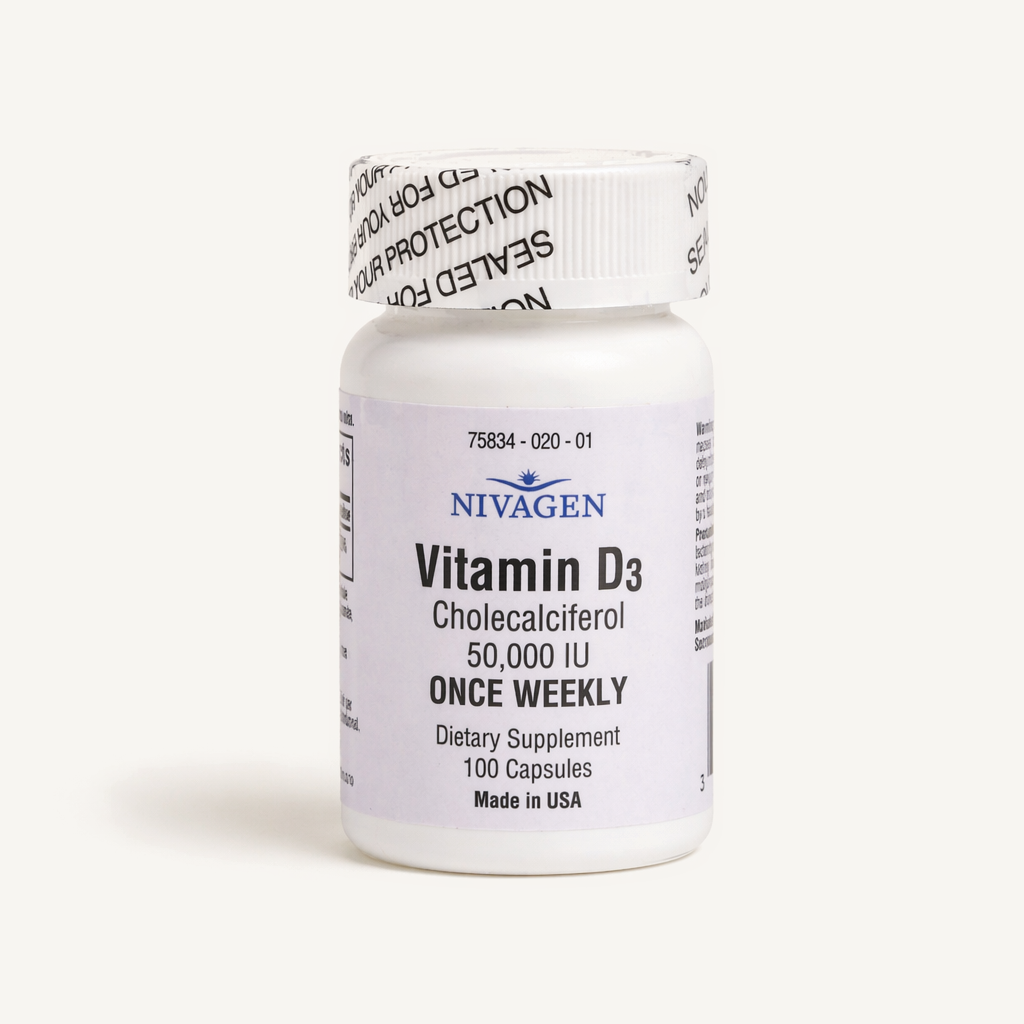
How It Works
Cholecalciferol works by facilitating increased absorption of calcium and phosphate.
After ingestion, cholecalciferol is converted by the liver and kidneys into its active form, calcitriol. This hormone stimulates the gastrointestinal tract to absorb more calcium and phosphate from the diet. This helps support proper bone mineralization, calcium regulation, and muscle and nerve function.
| Quick Facts | |
|---|---|
| Common Brands | Amerix Vitamin D3, Decara, Enfamil D-Vi-Sol, D-Trol |
| Drug Class | Dietary supplement |
| Generic Status | Generic is available |
| Availability | Prescription and over-the-counter (depending on dosage) |
Dosing
For individuals with severe vitamin D deficiency, providers commonly prescribe a high-dose regimen of one 50,000 IU capsule of cholecalciferol taken weekly for 6 to 12 weeks. Following this, providers may transition patients to a lower daily maintenance dose or another amount available in over-the-counter formulations.
Note: Dosing information below is educational only. Your prescribing physician will determine your specific dose based on your individual health needs. Always follow your healthcare provider’s instructions for exact dosing.
Uses
Common Uses
This form of cholecalciferol has not undergone FDA approval because it is widely recognized as a dietary supplement. The FDA does not approve supplements as medical treatments for any condition.
However, providers may use cholecalciferol as part of a treatment regimen for medical conditions that can cause vitamin D deficiency, including liver or kidney problems, osteoporosis, hypoparathyroidism, and malabsorption syndromes.
Side Effects
Like all medications, cholecalciferol can cause side effects. Some common side effects may improve over time as your body adjusts to the medication. Other side effects may be serious and require medical attention.
Common Side Effects
- Mild stomach discomfort
- Nausea
- Headache
- Constipation
- Loss of appetite
Serious Side Effects
Serious side effects are rare, but it’s important to know what to look for if they do occur.
- High calcium levels (hypercalcemia): Taking excessive amounts of cholecalciferol can cause excessive calcium to accumulate in the blood, leading to symptoms such as increased thirst, frequent urination, confusion, bone pain, muscle stiffness, and weakness.
- Kidney damage: Elevated calcium levels from excessive vitamin D can strain the kidneys, potentially leading to kidney stones, fatigue, and swelling in the legs or feet.
- Severe allergic reactions: Although rare, some individuals may experience a serious allergic response to cholecalciferol, which can include breathing problems, a rapid pulse, skin rash, hives, or swelling of the face, lips, tongue, or throat.
Call your doctor immediately if you experience any concerning or prolonged symptoms. Call 911 if you experience any trouble breathing, facial swelling or irregular heartbeat.
Pharmacist Tips
Take With Dietary Fat
Because cholecalciferol is a fat-soluble vitamin, your body will absorb it more efficiently if you take your dose with a meal or snack containing healthy fats, such as milk, yogurt, or cheese.
Follow Specific Dosage Instructions
Only take the high-dose 50,000 IU cholecalciferol if a healthcare provider specifically instructs you to. Taking higher-than-recommended doses over long periods can cause serious side effects.
Keep Up With Bloodwork
Guidelines recommend routine blood tests to monitor your calcium and vitamin D levels to help prevent complications when using high-dose cholecalciferol.
Check Multivitamin Labels
Always read the ingredient lists on any over-the-counter supplements you take. Cholecalciferol is a common ingredient in multivitamins, and doubling up can lead to excess vitamin D intake.
Use Proper Measuring Devices
If you are prescribed a liquid form of cholecalciferol, use the dropper provided in the package to ensure you take the correct dose.
Drug Interactions
Certain medications and substances can interact with cholecalciferol, potentially altering how it works or increasing the risk of side effects.
- Thiazide diuretics: Medications used to lower blood pressure, such as hydrochlorothiazide or chlorthalidone, can increase blood calcium levels. Combining these drugs with cholecalciferol may lead to kidney problems and other symptoms of having too much calcium in the blood.
- Weight-loss medications: Drugs like orlistat can decrease the body’s ability to absorb fat-soluble vitamins, which may reduce the effectiveness of cholecalciferol.
- Antacids containing aluminum: Aluminum is found in many antacids and can interact negatively with cholecalciferol, so providers typically recommend taking cholecalciferol 2 hours before or 4 hours after taking antacids.
- Heart and blood pressure medications: Taking cholecalciferol may reduce the effectiveness of diltiazem, and combining it with digoxin can cause an irregular heartbeat. Taking large doses of cholecalciferol alongside verapamil can negatively affect the heart.
- Cholesterol medications: Certain cholesterol-lowering drugs, including statin medications such as atorvastatin and bile acid sequestrants such as cholestyramine, may interfere with how cholecalciferol is processed in the body.
Always give your doctor and pharmacist a complete list of all your medications, vitamins, and supplements to check for potential interactions.
FAQs
Why is 50,000 IU cholecalciferol typically only taken only once a week rather than every day?
The 50,000 IU formulation of cholecalciferol is a high-potency dose intended for the short-term treatment of severe vitamin D deficiency. Taking this amount daily would exceed the recommended dietary allowance and could quickly lead to dangerously high levels of vitamin D and calcium in the blood.
Because cholecalciferol is fat-soluble, it is stored in the body’s tissues and used gradually. This allows a once-weekly dose to address a deficiency without steadily overconsuming vitamin D.
What is the clinical difference between high-dose cholecalciferol and high-dose ergocalciferol?
Both cholecalciferol and ergocalciferol are forms of vitamin D used to treat deficiencies, but they differ in their source and chemical structure. Cholecalciferol (vitamin D3) is commonly derived from animal sources, while ergocalciferol (vitamin D2) is typically made from plant sources. Clinical studies suggest that cholecalciferol is more effective at maintaining adequate vitamin D levels in the body.
How long does a course of 50,000 IU cholecalciferol usually take to correct a severe deficiency?
Standard guidelines indicate that a high-dose treatment course of 50,000 IU of cholecalciferol typically takes 6 to 12 weeks to correct severe vitamin D deficiency safely. After this, providers generally conduct follow-up blood tests and transition patients to a lower, daily maintenance dose.
Should cholecalciferol capsules be taken with a high-fat meal?
Yes, providers strongly recommend taking cholecalciferol with a meal or snack that contains dietary fat. Cholecalciferol is fat-soluble, so it requires fat to be efficiently absorbed by the gastrointestinal tract.
Is it safe to continue taking daily over-the-counter multivitamins while on a 50,000 IU prescription?
You should always check with your healthcare provider before combining supplements. Many over-the-counter multivitamins already contain vitamin D. Taking these alongside a high-potency prescription cholecalciferol could cause side effects from excessive vitamin D.
How does cholecalciferol physically assist the body in absorbing calcium and phosphorus from the gastrointestinal tract?
Once the liver and kidneys convert cholecalciferol into its active hormonal form (calcitriol), it acts directly on the intestines. This hormonal activity increases the gastrointestinal tract’s ability to extract and absorb calcium and phosphate from the foods you digest. Those minerals are then transferred into the bloodstream, where they can be used for bone mineralization.
Can a severe vitamin D deficiency cause clinical symptoms like muscle weakness or chronic fatigue?
Research shows that vitamin D is essential not only for promoting bone health but also for maintaining healthy muscles, nervous systems, and metabolic balance. As a result, when vitamin D levels become too low, this can lead to symptoms such as fatigue, body aches, and bone pain.
Does cholecalciferol interact with diuretics?
Research shows that cholecalciferol interacts with thiazide diuretics, a common class of blood pressure medication. Thiazide diuretics increase the amount of calcium retained in the body. Because cholecalciferol also promotes calcium absorption, taking them together can cause calcium levels to rise too high (hypercalcemia).
Can weight-loss drugs significantly decrease the absorption of cholecalciferol?
Some weight-loss drugs, like orlistat, are known to interfere with the absorption of cholecalciferol. Because these medications block fat absorption in the digestive tract, they may also inhibit the proper absorption of fat-soluble vitamins such as vitamin D3.
Is cholecalciferol 50,000 IU considered safe for use during pregnancy?
High doses of vitamin D are considered unsafe during pregnancy, as excessive amounts may cause harm to a developing fetus. If a pregnant woman has severe vitamin D deficiency, a healthcare provider will carefully determine the safest dose and closely monitor the treatment.
Comparable Medications
Cholecalciferol, Ergocalciferol (Vitamin D2), Calcitriol (Active Vitamin D), Daily Maintenance D3 (Over-the-counter D3), Calcium Supplements (Calcium Carbonate/Citrate)?
Ergocalciferol (Vitamin D2) Capsules
From $22.99
This is an FDA-approved formulation that is a plant-based form of vitamin D used to treat a vitamin D deficiency. Providers generally consider it to be less potent and shorter-lasting than cholecalciferol.
Calcitriol Capsules
From $27.99
This form of vitamin D is not FDA-approved as a medical treatment, but it is a widely recognized supplement. It is the fully active hormone that the body converts into cholecalciferol. It may be prescribed for patients with severe kidney or liver disease whose bodies are unable to convert cholecalciferol to calcitriol effectively.
Daily maintenance D3
This lower-dose version of cholecalciferol is used daily to maintain sufficient vitamin D levels over a longer period.
Calcium supplements
These supplements provide the physical mineral building blocks required for bone density, whereas cholecalciferol provides the necessary hormonal signal that allows the body actually to absorb more calcium from the diet.
We Have Cholocalciferol in Stock. Get Yours Today!
Important: Information on this page is for educational purposes only. Prescribing decisions are made by independent, licensed providers. TelyRx operates technology-enabled pharmacies and a telehealth platform that connects patients with licensed providers. Prescriptions, when provider-approved and issued, are filled and shipped by TelyRx-affiliated pharmacies. We do not employ physicians or make prescribing decisions. Learn more about our editorial standards here.