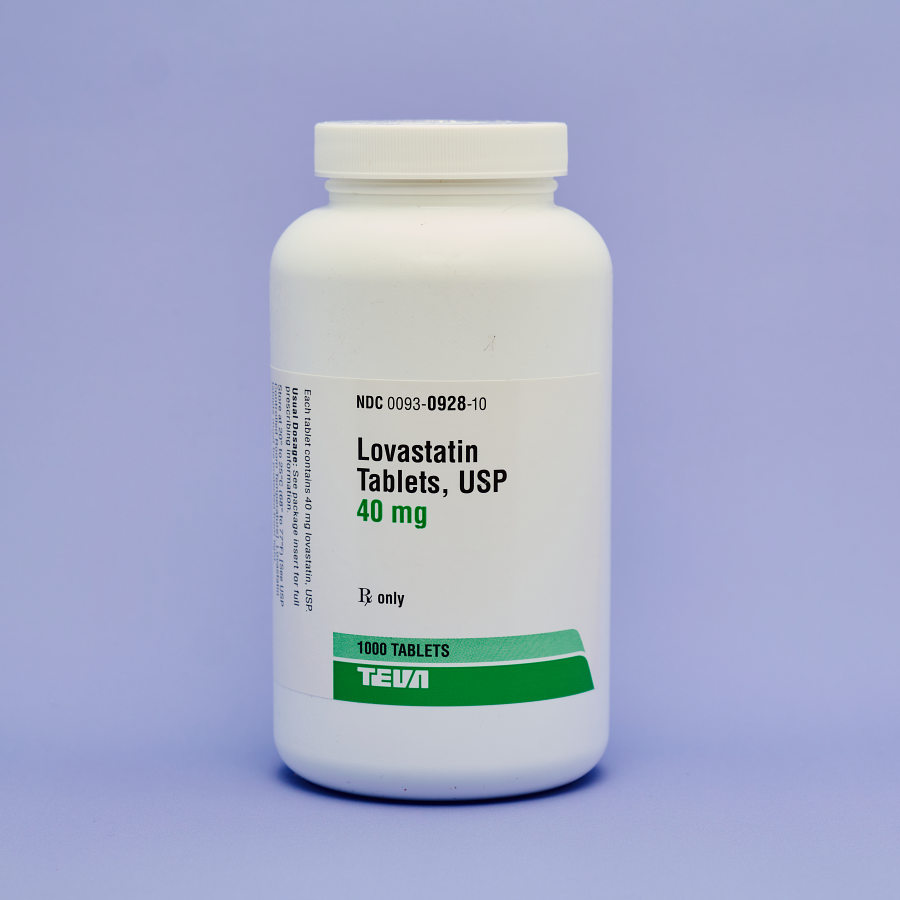
Lovastatin is an HMG-CoA reductase inhibitor, otherwise known as a "statin", typically prescribed to lower total cholesterol and improve lipid profiles in patients at risk of cardiovascular disease. It works by blocking an enzyme in the liver responsible for producing cholesterol, helping to reduce levels of LDL (“bad” cholesterol) and triglycerides while boosting HDL (“good” cholesterol). By improving lipid imbalances, lovastatin is known to reduce the risk of atherosclerosis, heart attack, and stroke.
This medication is most effective when used in combination with a heart-healthy lifestyle that includes diet modifications, routine physical activity, weight management, and smoking cessation. It is typically dosed once daily in the evening, aligning with the body’s natural rhythm of cholesterol production, which peaks overnight for most people.
How To Use:
Lovastatin is usually taken by mouth once daily with the evening meal. If a dose is missed, it's recommended to be taken as soon as remembered unless it is close to the next scheduled dose. Initial changes in cholesterol levels may be seen within 2 weeks, with full lipid panel improvements typically observed after 4–6 weeks of continuous use.
Precautions:
Before starting lovastatin, liver function tests may be recommended. Ongoing monitoring may be necessary in some patients due to potential liver enzyme elevation. Lovastatin should not be used during pregnancy or breastfeeding. Patients should report any unexplained muscle pain, tenderness, or weakness immediately, as this may indicate rare but serious side effects.