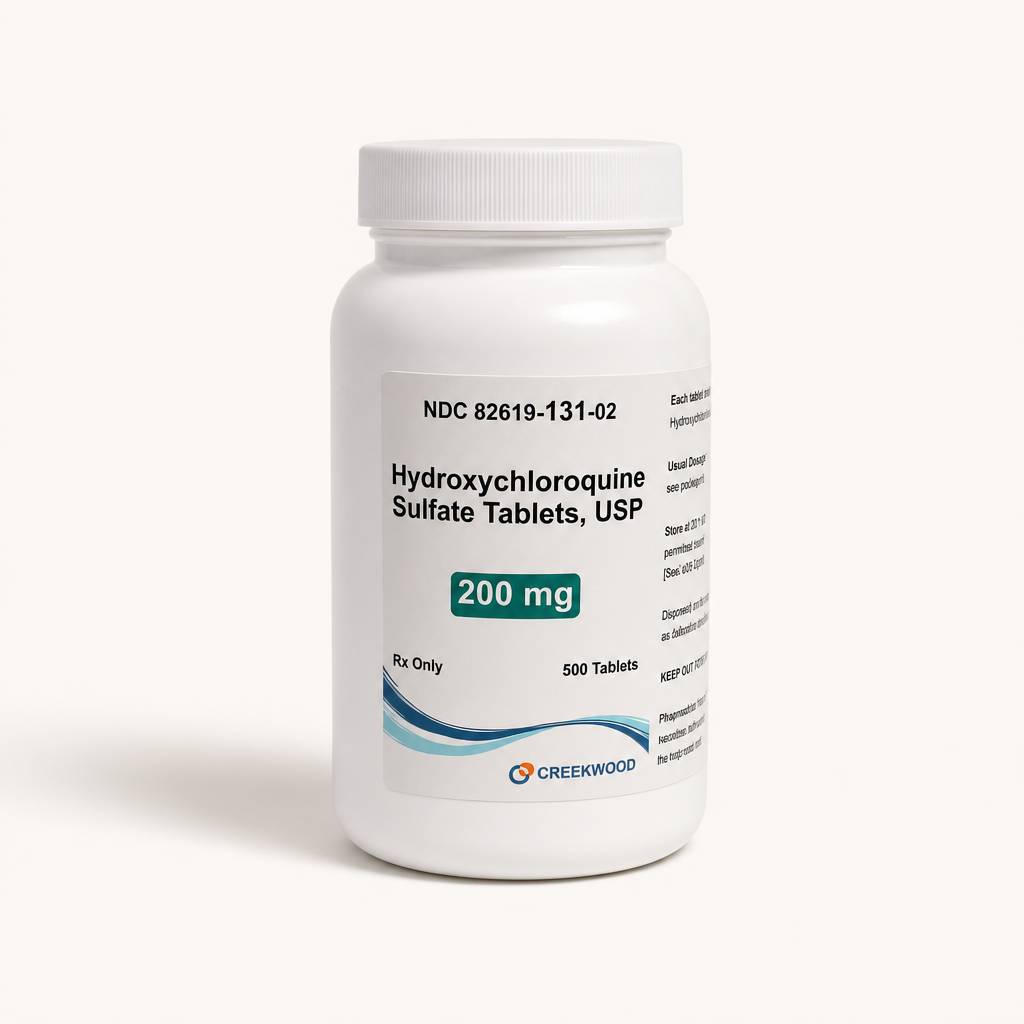
How It Works
In conditions like RA or lupus, the immune system is overactive. It sends out false alarms, causing healthy tissues to become inflamed and painful. Hydroxychloroquine helps lower the immune response:
- Calming immune signals: The medication makes it harder for cells to send the signals that trigger inflammation.
- Reducing swelling: By quieting these signals, the medication prevents the buildup of inflammatory chemicals in the joints and skin, lessening pain and stiffness.
By calming the underlying autoimmune process, hydroxychloroquine helps protect your joints from permanent damage and reduces the frequency of painful flares.
When used to prevent or treat malaria, the drug works by interfering with the parasite’s ability to process the nutrients it needs to survive inside human red blood cells, ultimately killing the parasite.
| Quick Facts | |
|---|---|
| Common Brands | Plaquenil, Sovuna |
| Drug Class | Antimalarial / DMARD |
| Generic Status | Generic version available |
| Availability | Prescription only |
Dosing
Hydroxychloroquine is typically supplied in 200 mg or 400 mg tablets. The dose is often calculated based on your body weight.
- For rheumatoid arthritis: Most patients start at 400-600 mg daily. Once the condition is under control, the dose is often reduced to a maintenance range.
- For lupus: The typical dose ranges from 200 mg to 400 mg per day.
It is important to note that this medication takes time to work. You may not feel a change in your joint pain for 4 to 12 weeks.
Standard guidelines suggest taking your dose with a meal or a glass of milk to prevent stomach upset or nausea. It is also generally recommended to take your medication at the same time each day to keep your levels steady.
Note: Dosing information below is educational only. Your prescribing physician will determine your specific dose based on your individual health needs. Always follow your healthcare provider’s instructions for exact dosing.
Uses
FDA-Approved Uses
The FDA approves hydroxychloroquine for:
- Rheumatoid arthritis: Long-term management of symptoms.
- Systemic lupus erythematosus (SLE): Chronic treatment to reduce flares.
- Discoid lupus erythematosus (DLE): Management of skin-based lupus.
- Malaria: Prevention and treatment of specific strains.
Off-Label Uses
You may see hydroxychloroquine prescribed for uses that are not FDA-approved. This is a common and legal practice called off-label prescribing, where a doctor uses their clinical judgment to prescribe a drug for a different (but well-researched) purpose.
Hydroxychloroquine may be prescribed off-label for the following conditions:
- Sjögren’s syndrome: Used to manage the joint pain and fatigue associated with this autoimmune condition.
- Dermatomyositis: Sometimes prescribed to help manage skin rashes and muscle inflammation.
- Porphyria cutanea tarda: Used in low doses to help clear excess iron and porphyrins from the liver.
Side Effects
Most people tolerate hydroxychloroquine well, especially when taken with food. However, as your body adjusts to the medication, some side effects may occur.
Common Side Effects
- Nausea or vomiting
- Stomach cramps and bloating
- Diarrhea
- Mild headache
- Loss of appetite
Serious Side Effects
Serious side effects are rare, but it’s important to know what to look for if they do occur. It’s generally accepted that you stop taking the medication and immediately call the doctor if you experience any of the following symptoms:
- Vision changes (retinopathy): Long-term use of high doses can damage the retina. Stop use and call your doctor if you notice blurred vision, light sensitivity, or trouble seeing in the dark.
- Heart rhythm issues: Standard guidelines typically recommend contacting your doctor if you feel your heart skipping a beat, racing, or feeling faint.
- Low blood sugar (hypoglycemia): This medication may cause shakiness, sweating, and confusion.
- Mental health changes: Providers typically suggest watching for unusual mood swings, depression, or suicidal thoughts, particularly in the first month of beginning this medication.
- Blood disorders: It is generally recommended to watch for unusual bruising, pale skin, or frequent infections.
Call your doctor immediately if you experience any concerning or prolonged symptoms.
Pharmacist Tips
Get Your Baseline Eye Exam
Because this drug can affect the eyes over the long term, providers typically recommend a thorough eye exam before you start and once a year thereafter.
Stick To The Schedule
It is generally advised not to stop taking this medication just because you feel better. Stopping abruptly can cause your arthritis or lupus to flare up.
Use Sun Protection
Hydroxychloroquine can make your skin more sensitive to sunlight. Use sunscreen, hats, and protective clothing when spending time outdoors.
Mind Your Antacid Timing
If you take antacids for heartburn, providers typically suggest taking them at least 4 hours before or after your hydroxychloroquine to ensure the medication is absorbed properly.
Watch Your Hair
Some patients notice changes in hair color or thinning. While usually mild, it is generally advised to discuss any significant changes with your provider.
Drug Interactions
Hydroxychloroquine can interact with several other medications, affecting your heart rhythm or how other drugs are processed.
Let your doctor know if you take:
- Heart and seizure medications: Drugs like digoxin or phenytoin may require closer monitoring as their levels in your blood can change.
- Diabetes medications: Because hydroxychloroquine can lower blood sugar, your dose of insulin or other diabetes pills may need to be adjusted.
- Antibiotics: Certain antibiotics (like azithromycin) can increase the risk of heart rhythm problems when combined with this drug.
- Magnesium: Supplements containing magnesium can interfere with your body’s ability to absorb the medication.
Always give your doctor and pharmacist a complete list of all your medications, vitamins, and supplements to check for potential interactions.
FAQs
How long does hydroxychloroquine take to reduce joint pain and fatigue?
Most people start to notice an improvement after 1 to 3 months, but the full clinical benefit may not be seen for up to 6 months.
Should hydroxychloroquine be taken with a glass of milk?
Yes. Taking the tablet with food or milk is highly recommended to protect your stomach lining and reduce the risk of nausea.
Why did the FDA issue warnings for the use of hydroxychloroquine for off-label viral infections?
In 2020, the FDA cautioned against using hydroxychloroquine for certain viral infections (like COVID-19) outside of clinical trials because research showed it was not effective for that purpose and could cause serious heart rhythm problems.
Can hydroxychloroquine cause a sudden drop in blood sugar levels in patients without diabetes?
Yes. While rare, hydroxychloroquine can trigger hypoglycemia. If you feel shaky, sweaty, or confused, it is generally advised to eat a source of sugar and contact your doctor.
Is hydroxychloroquine considered safe to use during pregnancy and while breastfeeding?
Standard guidelines generally consider hydroxychloroquine a safe option for managing RA or lupus during pregnancy. Untreated autoimmune disease is often riskier for the unborn baby than the medication. Small amounts pass into breast milk, but it is typically considered compatible with nursing.
Does hydroxychloroquine interact with magnesium?
Yes. Magnesium-containing antacids or supplements can block the drug’s absorption. It is best to separate magnesium and your dose by at least 4 hours.
Is it safe to drink alcohol while taking hydroxychloroquine?
There is no direct interaction with alcohol, but both alcohol and the medication are processed by the liver. Providers typically recommend drinking in moderation or abstaining from alcohol altogether to avoid extra stress on the liver.
Does hydroxychloroquine increase my sensitivity to sunlight?
Yes. Photosensitivity is a known side effect. You may burn more easily, and sunlight can sometimes trigger a lupus-related rash while on this medication.
What should I do if blurred vision occurs while taking hydroxychloroquine?
It is generally accepted that you should stop taking the medication and call your doctor or eye specialist immediately. Vision changes can be a sign of retinal issues that require evaluation right away.
Does hydroxychloroquine suppress the immune system the same way steroids do?
No. Hydroxychloroquine modulates or calms the immune system rather than broadly suppressing it. It does not carry the same high risks of infection or bone loss that long-term steroids (like prednisone) do.
Can hydroxychloroquine cause hair loss or thinning?
While hair changes are listed as a possible side effect, they are relatively rare. Often, the underlying condition (like lupus) is the cause of the hair thinning rather than the medication itself.
Comparable Medications
Methotrexate, Prednisone, or Biologics?
Below are potential alternatives to hydroxychloroquine:
Methotrexate
Methotrexate is generally stronger and works faster, but it has more significant side effects on the liver and blood counts. Hydroxychloroquine is often used for milder cases or added to methotrexate to enhance its effect.
Prednisolone
From $59.99
Prednisone is a steroid that works almost immediately to stop inflammation. However, it can cause long-term side effects, such as weight gain and bone thinning. Hydroxychloroquine is safer for long-term use and helps patients reduce their need for steroids.
Chloroquine
Chloroquine is stronger than hydroxychloroquine. It is used less frequently for arthritis because it has a higher risk of eye-related side effects than hydroxychloroquine.
Adalimumab
Humira is a biologic agent that targets a specific protein in the immune system. Biologics are more expensive and must be administered by injection. Hydroxychloroquine is an oral medication used for less severe cases or as a starting point for treatment.
We Have Hydroxychloroquine Tablets in Stock. Get Yours Today!
Important: Information on this page is for educational purposes only. Prescribing decisions are made by independent, licensed providers. TelyRx operates technology-enabled pharmacies and a telehealth platform that connects patients with licensed providers. Prescriptions, when provider-approved and issued, are filled and shipped by TelyRx-affiliated pharmacies. We do not employ physicians or make prescribing decisions. Learn more about our editorial standards here.