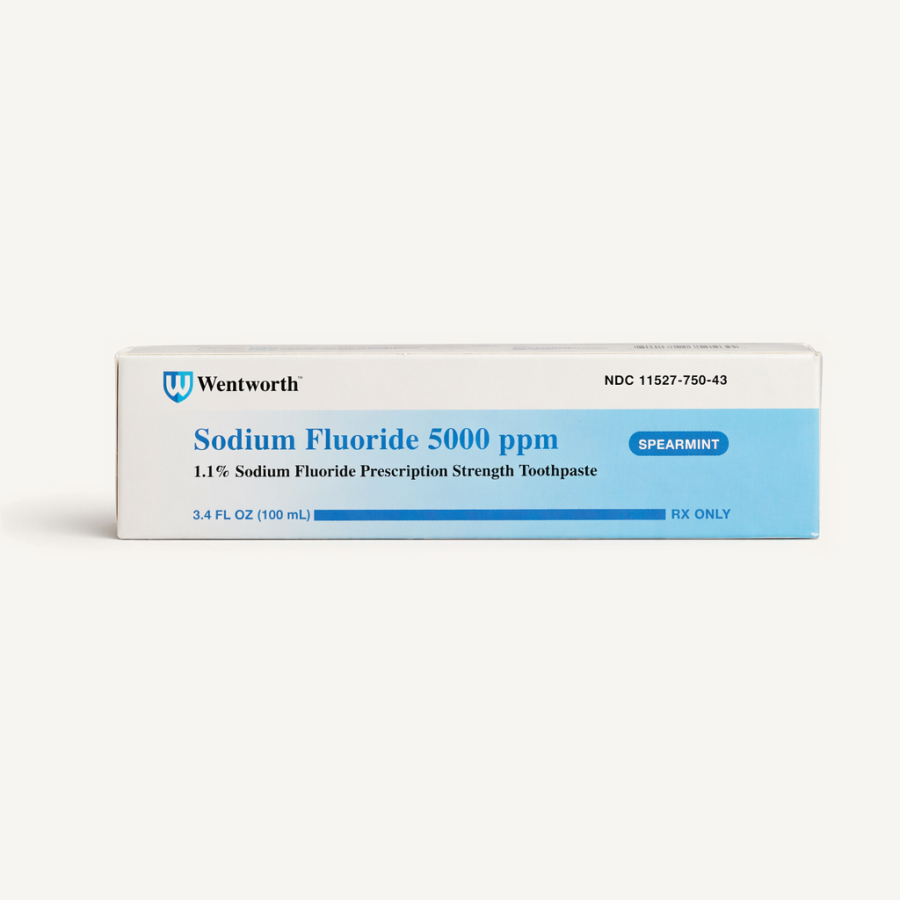
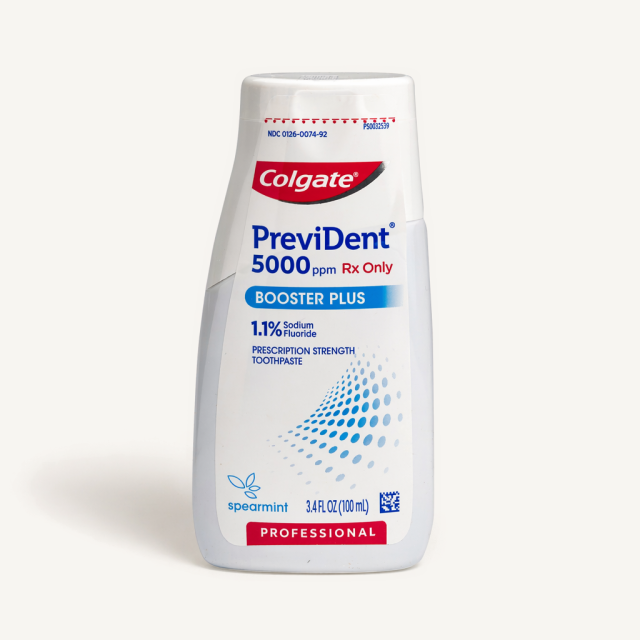
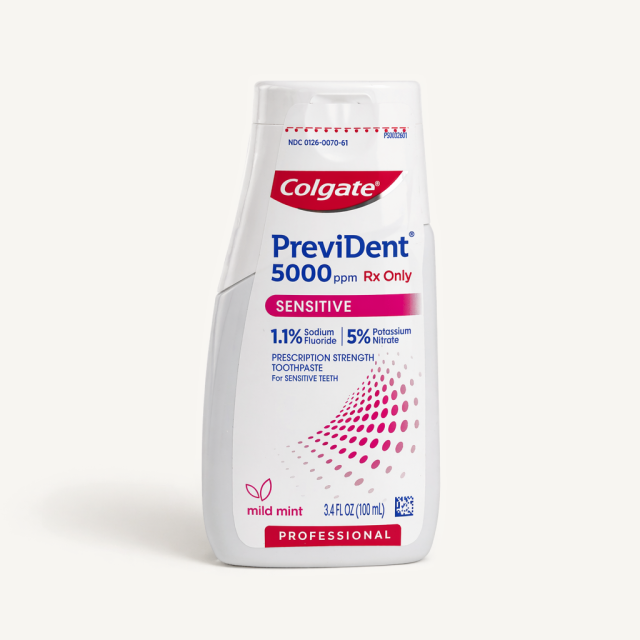
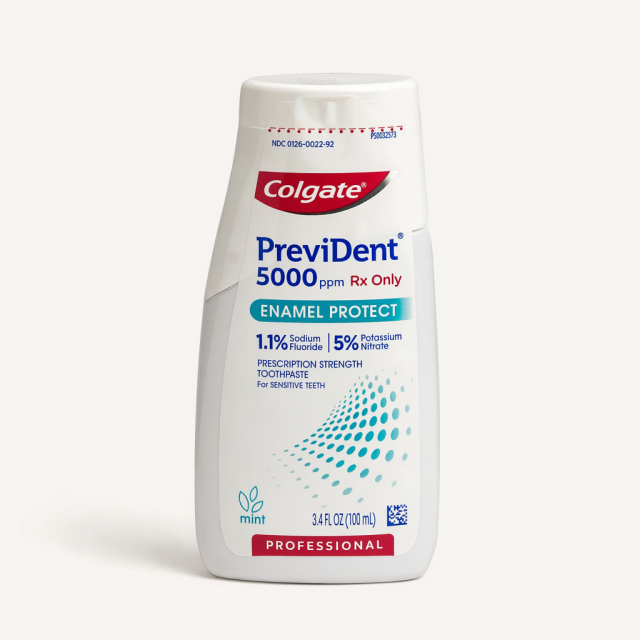
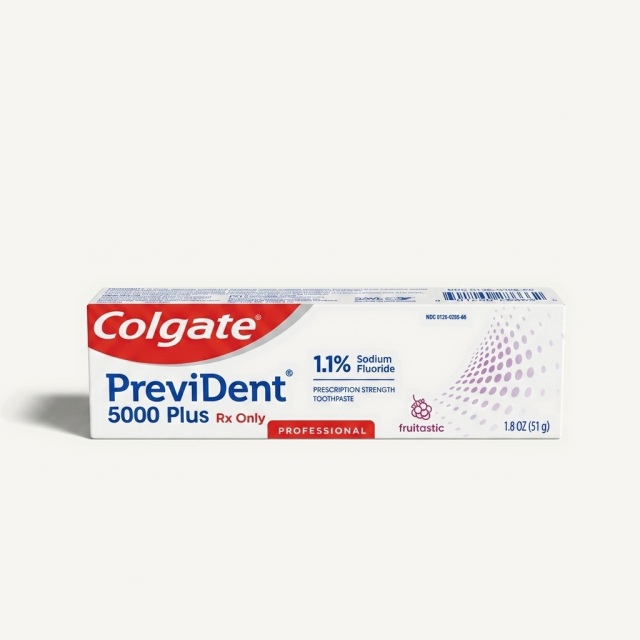
Sodium fluoride 1.1% toothpaste provides a high potency topical fluoride treatment designed for adults and children over age six who are at moderate to high risk for dental caries. At 5000 ppm fluoride, it contains five times the fluoride of over the counter toothpaste, allowing it to more effectively remineralize weakened enamel and inhibit acid production by plaque bacteria. By strengthening tooth surfaces and supporting enamel repair, this formulation helps reduce white spot lesions, sensitivity, and the progression of early decay. It is typically used once daily in place of regular toothpaste, most often at night, and patients are advised to avoid rinsing, eating, or drinking for at least 30 minutes after brushing to maximize fluoride uptake.
Clinically, sodium fluoride 1.1% toothpaste fits into preventive dental care for individuals with root caries, orthodontic appliances, dry mouth, or a history of frequent cavities. Its mechanism relies on enhancing enamel resistance through fluorapatite formation, increasing fluoride ion penetration, and improving mineral availability at the tooth surface. While safe and highly effective when used as directed, this toothpaste requires supervision in pediatric patients to avoid swallowing because excessive ingestion can lead to dental fluorosis. Patients should be instructed to use only a thin ribbon of toothpaste, brush thoroughly for one to two minutes, and spit without swallowing.
Common side effects of sodium fluoride 1.1% toothpaste include mild mouth or gum irritation and excessive salivation, which generally lessen with continued use. Rare but notable effects include tooth staining or pitting associated with excessive fluoride exposure, particularly in children who accidentally swallow the product. Accidental ingestion may cause nausea, vomiting, stomach pain, diarrhea, headache, or muscle tremors. Severe allergic reactions, such as swelling of the face, lips, tongue, or throat, are uncommon but require urgent medical attention. Patients should report persistent irritation, tooth discoloration, or symptoms of fluoride overdose to their dental provider.
This information should not be used to decide whether or not to take this medicine or any other medicine. Only a healthcare provider has the knowledge and training to decide which medicines are right for you. TelyRx does not endorse any medicine as safe, effective, or approved for treating any patient or health condition. This is only a limited summary of general information about the medicine’s uses from the patient education materials and is not intended to be comprehensive. This limited summary does NOT include all information about the possible uses, directions, warnings, precautions, interactions, adverse effects, or risks that may apply to this medicine. This information is not intended to provide medical advice, diagnosis or treatment and does not replace information you may receive from your healthcare provider. For a more detailed summary of information about the risks and benefits of using this medicine, please review the entire patient education information you receive with the medication.